REVIEW · ROME
Rome: Colosseum, Circus Maximus, Forum & Ancient Rome Tour
Book on GetYourGuide →Operated by Pink Umbrella Tours · Bookable on GetYourGuide
If your Rome plans feel too focused on selfies, this walk fixes that. It strings together the outdoor monuments that shaped daily life and politics in ancient Rome. You’ll trace the route from Jewish Ghetto landmarks to the Forum era, with a guide who explains what you’re actually looking at.
What I like most is how the tour forces you to see Rome in layers. You get the big names like the Colosseum and Circus Maximus, plus stop-by-stop context on places many people miss. I also love that guides like Bruno, Gabriel, Francesco, and Sam are praised for clear, friendly explanations and for handling questions without turning the walk into a lecture.
One thing to consider: this is a walking tour and it does not include Colosseum entry. So if you’re craving the inside tour experience, you’ll still need a separate ticket for that.
In This Review
- Key highlights worth aiming for
- A 2-hour plan that keeps Rome’s story moving
- Meeting point and how the route starts: Sant’Anastasia and Piazza Cinque Scole
- Portico d’Ottavia: the market gateway you can actually picture
- Ponte Fabricius and Tiber Island: a quick reset in scenery
- Theatre of Marcellus: why you should care (even if it looks familiar)
- Temple of Apollo and the meaning of ruins
- Climbing Capitoline Hill toward Michelangelo’s square
- Via dei Fori Imperiali and the Roman Forum: seeing the political machine
- Circus Maximus and the Colosseum exterior: spectacle without tickets
- Price and value: what you pay for in a short, dense walk
- Who this tour fits best (and who should skip it)
- The guide factor: Bruno, Gabriel, Francesco, and Sam
- Should you book this Rome Colosseum and Forum walking tour?
- FAQ
- FAQ
- What sights do you see on this tour?
- How long is the tour?
- Where does the tour start and end?
- Is the Colosseum entrance included?
- Do you need to arrive early?
- What language is the tour in?
- What should you wear or bring?
Key highlights worth aiming for
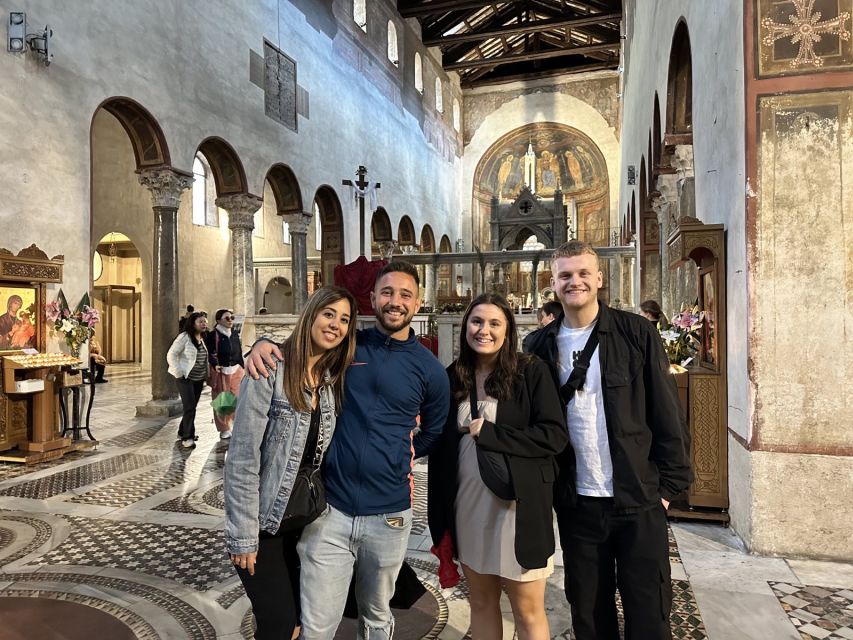
- Piazza Cinque Scole kickoff near the Jewish Ghetto, with the right setting for Roman layers
- Portico d’Ottavia as a gateway into the market area of ancient Rome
- Ponte Fabricius and the short geography shift toward Tiber Island
- Theatre of Marcellus explained as the Colosseum look-alike people often mix up
- Capitoline Hill + Michelangelo’s square for a top-of-the-city viewpoint
- Forum sweep from Via dei Fori Imperiali with Augustus, Caesar, and Nerva in view
A 2-hour plan that keeps Rome’s story moving
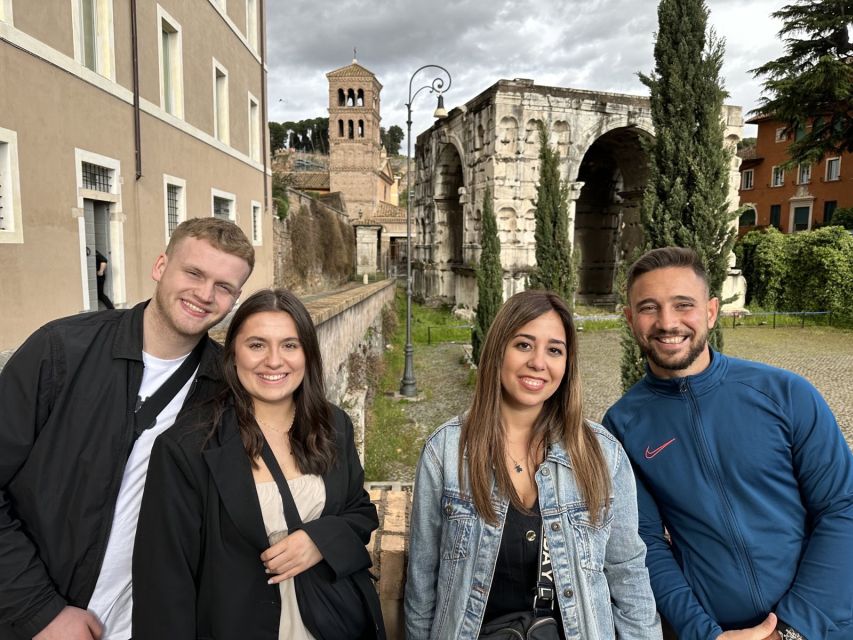
This is the kind of Rome tour that works well when your time is short and your feet are still willing. In about two hours, you cover a tight loop of major outdoor sites, plus a handful of smaller stops that help the city click into place. It’s not about rushing through checklists. It’s about connecting monuments to what they were used for.
That speed is a feature. Rome’s center is dense, and the Forum area is especially hard to interpret on your own at first glance. With a guide, you get explanations at the exact moment you’re standing in front of the architecture—so it stops being “random ruins” and turns into “Oh, that’s a political stage.”
You should also know the walking pace is real. You’re on foot through uneven streets and up to Capitoline Hill. If you’re sensitive to long walks, think twice or plan to pair this with lighter, slower days.
You can also read our reviews of more tours and experiences in Rome.



Meeting point and how the route starts: Sant’Anastasia and Piazza Cinque Scole
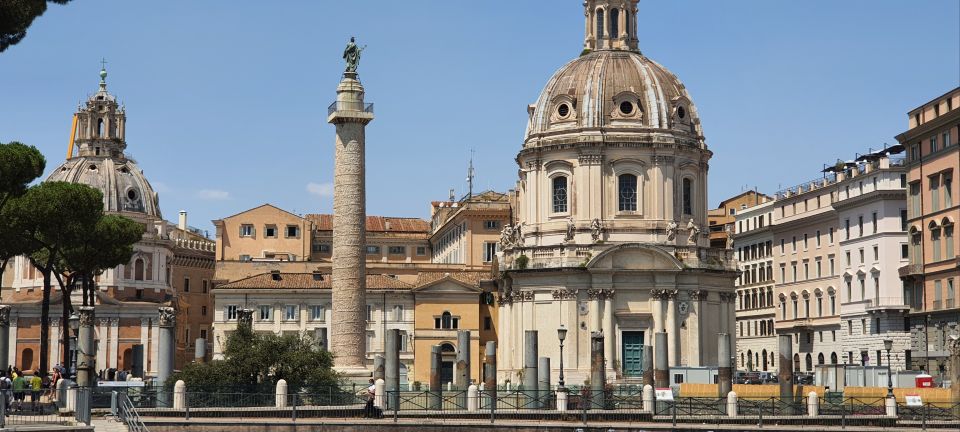
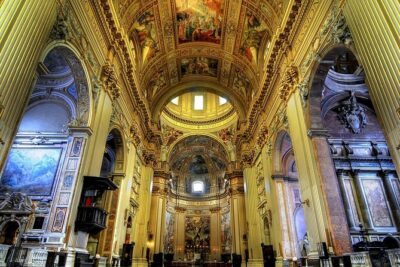
The tour meets your guide in front of Basilica of Sant’Anastasia al Palatino. That matters because it anchors the opening of the route in the Palatine area zone, not in the Forum’s exact heart. Even if your first major “wow” moment is later, starting there helps you orient your map fast.
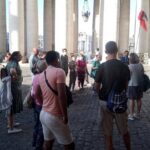
From the start, the walk heads toward Piazza Cinque Scole, where you can absorb the atmosphere of the Jewish Ghetto area before switching gears to ancient Rome’s public power. I like this sequence because it reminds you that Rome isn’t frozen in one era. The city’s identity keeps stacking over time, and you’ll feel that stacking as the monuments change from one period to the next.
Portico d’Ottavia: the market gateway you can actually picture
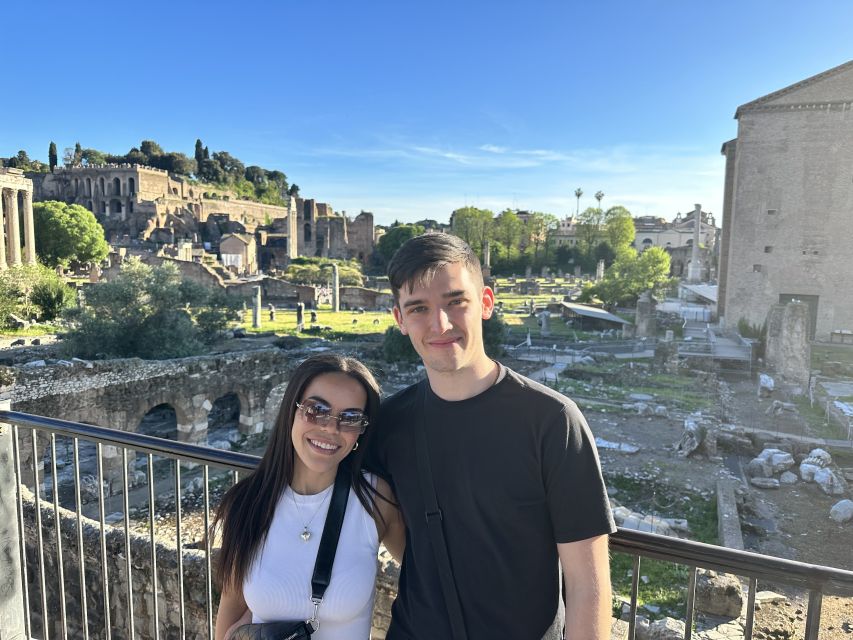
Next, you’ll spend time at the Portico d’Ottavia, described as an ancient structure that marked the entrance to a busy market area. This is one of those stops where the value is less about a single “wow” view and more about learning how Romans organized daily life.
Here’s the practical takeaway: when you understand that porticoes and colonnades weren’t just decorative, you start noticing patterns everywhere in Rome. You’ll see how circulation worked—where people flowed, where goods were handled, and how public spaces mixed commerce with civic identity.
If you like learning Roman Rome beyond the Colosseum, this is where the tour delivers.
Ponte Fabricius and Tiber Island: a quick reset in scenery
You’ll also cross Ponte Fabricius, noted as the oldest bridge in Rome, and connect visually toward Tiber Island. This isn’t a long photo stop. It’s more like a breath of geography.
I find this part useful because it gives your brain a reference point. When you later move toward the Forum area, you’ll feel like you understand where you are in the city’s layout. The river becomes a mental line, and the whole day stops feeling like random spots on a map.
Theatre of Marcellus: why you should care (even if it looks familiar)
One of the smartest stops on this route is the Theatre of Marcellus. It’s often mistaken for the Colosseum, and the guide helps you sort out the visual clues so you don’t repeat that common mistake. Even from street level, you can appreciate how these venues were built for crowd viewing long before modern stadiums.
Why it matters for your trip: once you see the theatre concept here, the Colosseum starts to look less like a one-off monument. You begin to understand Roman entertainment as a system: audience design, social mixing, and spectacle as a political tool.
You’ll also appreciate the tour’s pacing. Instead of treating the Colosseum like the only centerpiece, it gives you another major entertainment site, and that makes the day feel fuller.






Temple of Apollo and the meaning of ruins
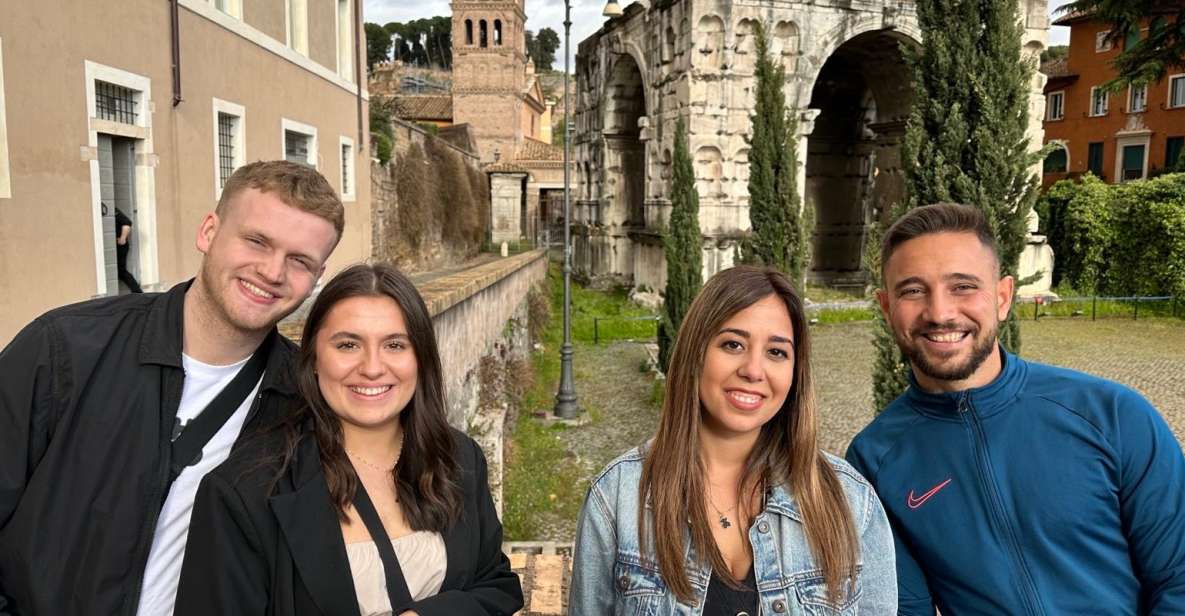
Nearby you’ll reach the Temple of Apollo, where the ruins are framed in terms of Roman glory and legacy. Even if you don’t yet know the details of Roman religion, the guide’s job is to help you read what’s left.
Here’s what I think you’ll walk away with: ruins aren’t just broken stone. They’re evidence of a society that liked permanence—both in building and in messaging. When your guide points out the way the space was used or how it fit into the area’s power structure, the ruins become understandable.
This stop also helps when you later reach Capitoline Hill. You’ll start noticing how the city’s sacred and political spaces overlap.
Climbing Capitoline Hill toward Michelangelo’s square
Then comes one of the tour’s real effort points: Capitoline Hill. You’ll climb up to a viewpoint featuring the square designed by Michelangelo. This is not just a scenic pause. It’s a change in perspective—literally and mentally.
From up there, Rome’s center makes more sense. The Forum area isn’t just “that set of ruins down there.” It becomes the control hub of ancient civic life, and you can start imagining the flow of people and power moving through the same lines you now walk.
If you only ever view Rome from street level, you miss how much of the city’s story is about elevation and sightlines. Capitoline Hill fixes that in a single move.
Via dei Fori Imperiali and the Roman Forum: seeing the political machine
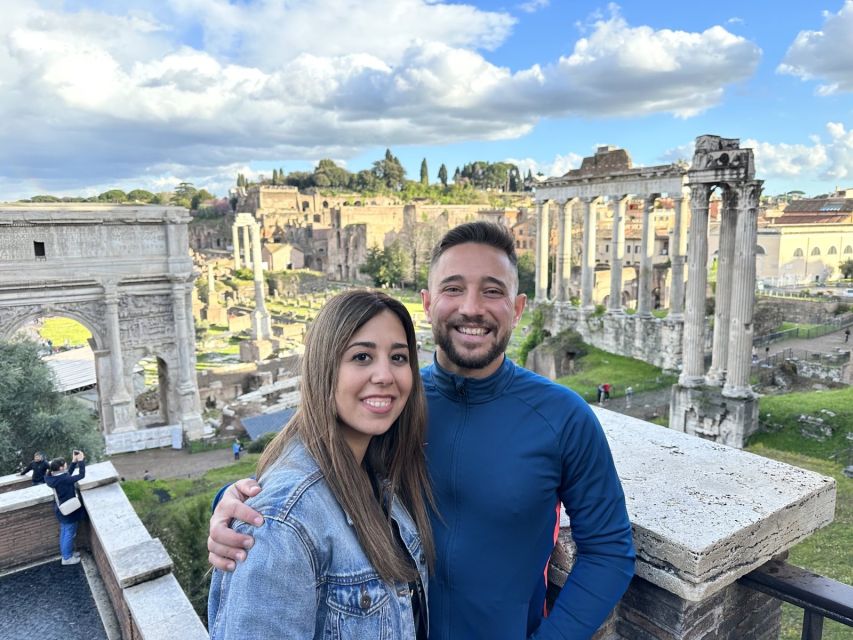
This is the heart of the experience. On Via dei Fori Imperiali, you get your best chance to understand how the Roman Forum area functioned socially and politically. It’s also where the guide’s timing matters, because the best learning happens when you can look across multiple sites in one direction.
You’ll get specifics on the Roman Forum, plus the Forum of Augustus, Forum of Caesar, and the Forum of Nerva. That set matters because it shows Rome’s leadership changing over time—and how each new power used architecture to write its own version of legitimacy.
Practical tip: stand still for a moment when the guide is explaining. Rome can distract you with details. If you keep moving, you’ll miss the relationships between buildings that make the area click.
You also pass Portico of Octavia earlier, so by the time you reach this stretch you’ll have a bigger sense of the city as a mix of civic, economic, and ceremonial spaces—not just an “old stadium and some temples” vibe.
Circus Maximus and the Colosseum exterior: spectacle without tickets
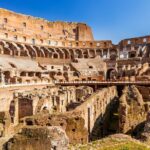
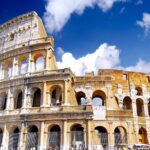
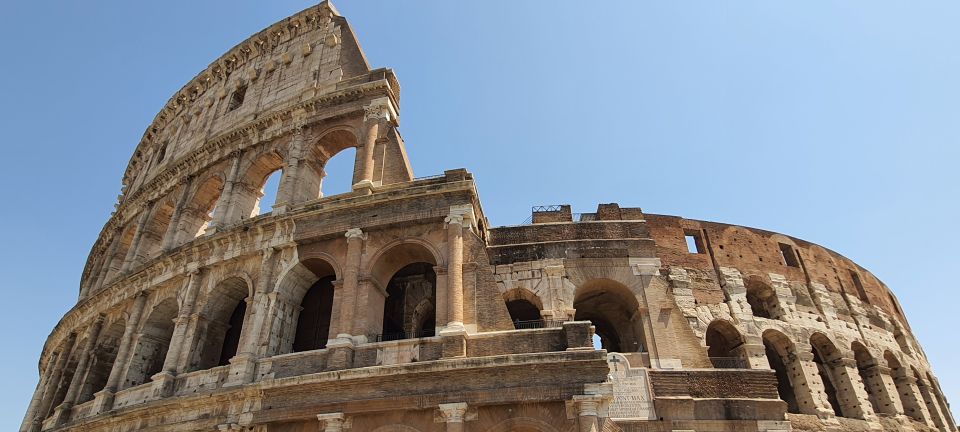
You’ll finish the sightseeing sweep at Circus Maximus, the famous chariot-racing stadium, and then see the Colosseum from the outside. This choice makes the tour a strong option if you don’t want to spend your limited time fighting ticket logistics or waiting in line.
It’s also honest about what you’re getting. You’re not going inside the Colosseum, and the tour doesn’t include entry tickets. So your Colosseum experience here is about big-picture understanding: why the site was built, what kind of spectacle it hosted, and how it fit into Rome’s broader entertainment ecosystem.
Is that enough for some people? Yes—especially if you’re pairing it with another Colosseum visit later. If you’ve never seen the Forum area, the outside approach can actually be a win, because it gives you a first mental framework before you commit to the interior.
Price and value: what you pay for in a short, dense walk
At $243.56 per person for about two hours, this isn’t a budget stroll. But it can be good value if you factor in what’s included: a live English-speaking guide and a focused walking route that covers major outdoor monuments that are hard to interpret without help.
You’re paying for:
- expert storytelling at the exact sites where the architecture makes sense
- a structured path through a confusing area (especially around the Forum)
- outside-view context for the Colosseum and a real understanding of the entertainment spaces around it
If you’re someone who enjoys self-guided wandering with maps and apps, you might feel this is pricier than “just a walk.” But if you want Rome to make sense fast, the guide time is what you’re buying—and guides (like Bruno, Gabriel, Francesco, and Sam, based on the feedback you can read) get praise for clarity and for answering questions easily.
Who this tour fits best (and who should skip it)
I think this is a great match for you if:
- you want a short, efficient Rome highlight route that still explains what you’re seeing
- you like the Forum area but don’t want to get lost there
- you prefer outdoor monuments and viewpoint stops to indoor museum time
I’d be more cautious if:
- you strongly want inside Colosseum access on the same day
- you’re dealing with mobility limits, since it’s not suitable for people with mobility impairments or wheelchair users
- you get frustrated with uphill walking, because Capitoline Hill is part of the payoff
The guide factor: Bruno, Gabriel, Francesco, and Sam
This tour gets high marks for guide quality. The names that show up repeatedly include Bruno, praised for being warm, humorous, and easy to follow; Gabriel, described as excellent and informative; Francesco, noted for answering lots of questions with ease; and Sam, appreciated for being personable and giving clear explanations.
Even without knowing which guide you’ll get, those comments point to a clear pattern: you’re likely to get more than a script. You’re likely to get explanations that stay understandable while you’re walking, plus time for questions when they come up.
Should you book this Rome Colosseum and Forum walking tour?
Book it if you want a fast, guided way to understand ancient Rome’s power centers without spending the morning on Colosseum ticket logistics. The route gives you a strong mix: Circus Maximus, the Forum area, Capitoline Hill, and the Colosseum as an outside landmark you can finally place in context.
Skip or rethink it if inside Colosseum time is your top priority. This is an outdoor tour, and the Colosseum itself isn’t visited inside here.
FAQ
FAQ
What sights do you see on this tour?
You’ll see Rome’s main outdoor monuments and buildings of Ancient Rome, including the Colosseum from the outside, Capitoline Hill, the Roman Forum and the Theatre of Marcellus, plus stops such as Piazza Cinque Scole, Portico d’Ottavia, Ponte Fabricius, Temple of Apollo, Via dei Fori Imperiali, Forum of Augustus, Forum of Caesar, Forum of Nerva, and Circus Maximus.
How long is the tour?
The tour duration is 2 hours.
Where does the tour start and end?
You meet your guide in front of the Basilica of Sant’Anastasia al Palatino, and the tour ends back at the meeting point.
Is the Colosseum entrance included?
No. Entrance tickets and fees are not included, and there is no visit inside the Colosseum.
Do you need to arrive early?
Yes. Please arrive 15 minutes before the starting time. Guides wait for no more than 10 minutes beyond the starting time, and there is no refund for late arrivals or leaving early.
What language is the tour in?
The live tour guide provides the tour in English.
What should you wear or bring?
Wear comfortable shoes, since it is an outdoor walking tour.