REVIEW · ROME
Rome: Castel Sant’Angelo Guided Tour
Book on Viator →Operated by Loving Rome · Bookable on Viator
Rome’s angel castle tells two stories at once. This Castel Sant’Angelo guided visit strings together the fortress’s Roman origins and its papal era, then rewards you with a terrace view over the Tiber and the Eternal City. You’ll be moving through a place that has played many roles over time, from monument to residence to prison.
I like that the tour includes admission tickets, so you spend less time figuring out the ticket maze and more time inside. I also love the practical touch of headsets when needed, which matters because the castle can feel crowded and noisy.
The one real catch is the stairs. You’ll climb a series of steps to reach the panoramic terrace, and one account called it close to 270 stairs (with some sections not having handrails), so plan for a moderate fitness level and take your time.
In This Review
- Key things to know before you go
- Castel Sant’Angelo: Hadrian’s tomb becomes a papal fortress
- The $70 price tag: what you’re really paying for
- Meeting at Lungotevere Castello: timing, rules, and staying together
- Inside Castel Sant’Angelo: emperors, pope apartments, prison, and paintings
- Ponte Sant’Angelo angels and the bridge-of-power feel
- The roof terrace: panoramic Rome, plus the stairs you must plan for
- Group size, pace, and how to choose the right mindset
- Who should book this Castel Sant’Angelo guided tour
- Should you book this Castel Sant’Angelo guided tour?
- FAQ
- How long is the Rome: Castel Sant’Angelo guided tour?
- Is admission to Castel Sant’Angelo included?
- Do you get headsets during the tour?
- Where do we meet for the tour?
- What ID do I need to bring?
- Is the tour very walk- and stair-heavy?
- Can I cancel for free?
Key things to know before you go
- Skip the hassle with included admission tickets for your chosen date and time slot
- Headsets help you stay with the guide in busy areas of the fortress
- You’ll follow the story from Roman monument to papal fortress with stops tied to emperors and the Popes
- Terrace views are the payoff, but you must be ready for a stair climb
- Guides bring the place to life (I saw multiple guides praised for humor and clear storytelling, including Alec, Agnes, Teresa, and Bogdan)
Castel Sant’Angelo: Hadrian’s tomb becomes a papal fortress
Castel Sant’Angelo is one of those Rome sites where the building explains the history for you. The structure begins with Roman roots—this is tied to Hadrian’s tomb—and then later becomes deeply connected to the Popes. That shift is the fun part of the experience: you watch the same bones of the complex get reused again and again for very different purposes.
Inside, you’re not just looking at stone. You’re seeing a fortress that served as a papal private residence, a prison, and a place tied to public executions. That sounds heavy, but a good guide keeps it readable and grounded, linking each room to why it mattered in its era. You also get a look at the castle’s art and architecture, not just its walls.
And even if you’re not a history super-nerd, you’ll still feel the “Rome logic” of it. The castle’s position along the Tiber makes it a natural hinge between power and view—who controls the river controls the city.
You can also read our reviews of more guided tours in Rome



The $70 price tag: what you’re really paying for
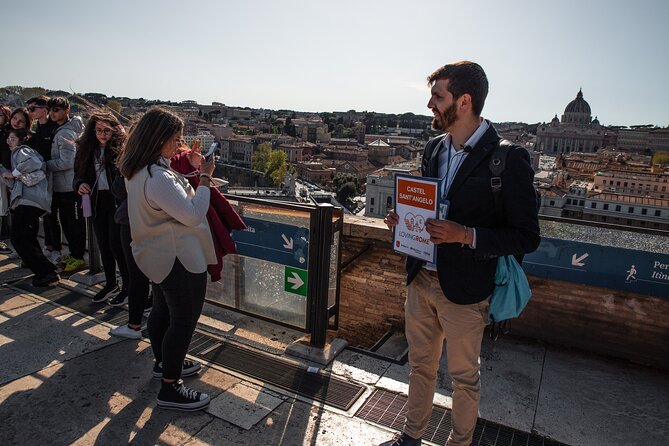
At about $70.17 per person for roughly two hours, this isn’t a bargain tour. But it can be good value if you’re the kind of visitor who wants the site stitched into one clear narrative.
Here’s what you’re paying for in practical terms:
- Entry is handled: admission tickets are included, and you’re not deciding on the spot what to buy or how to time it.
- You get a local expert guide: the tour focuses on Roman origins plus papal history, and your guide points out specific areas you might miss when you’re wandering alone.
- You get a terrace moment built in: the panoramic roof visit isn’t something you have to “figure out” after your energy fades.
- Communication support: headsets are provided if needed, which helps when you’re in enclosed spaces and people are talking around you.
If you do self-guided, you’ll save money. But you may lose time and context—especially in places with layered history and signage that won’t automatically tell the story thread.
Also, this experience is designed for a maximum of 20 travelers. That smaller group setup usually helps keep the pace moving and makes it easier to hear the guide through the headsets when the castle gets busy.
Meeting at Lungotevere Castello: timing, rules, and staying together
This tour starts at Lungotevere Castello, 50, 00193 Roma RM, Italy. The activity ends back at the same meeting point, so you’re not left scrambling for directions at the end.
A few logistics matter here:
- Tickets are tied to your time slot, so you can’t just show up whenever you feel like it.
- Late arrivals or no-shows aren’t accommodated and won’t be refunded. In Rome, traffic happens. Build in margin.
- This is near public transportation, so you should be able to reach it without a taxi plan.
- The rules are strict about names and IDs: you must provide the full name of each participant exactly as it appears on passport or valid ID, and you should bring your passport or valid ID for verification.
There’s also a clear “pack light” expectation. Large bags and luggage aren’t allowed, and food and drinks aren’t allowed during the activity. If you’re carrying anything bulky, it’s smart to rethink your day plan.
The most useful pro-tip is about the group dynamic. When headsets are available, actually use them. The castle is busy, and the tour depends on everyone moving together through several areas.
Inside Castel Sant’Angelo: emperors, pope apartments, prison, and paintings
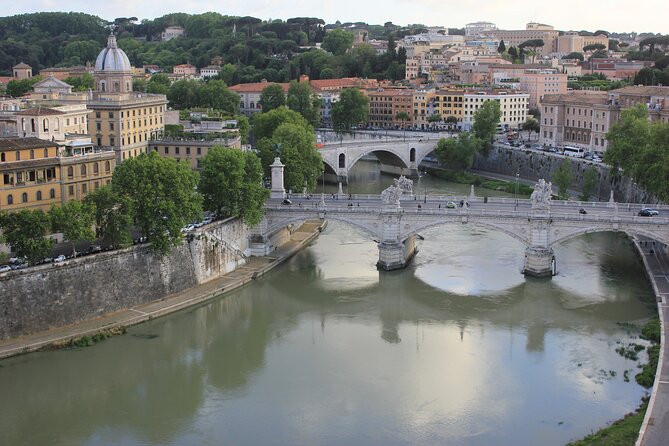
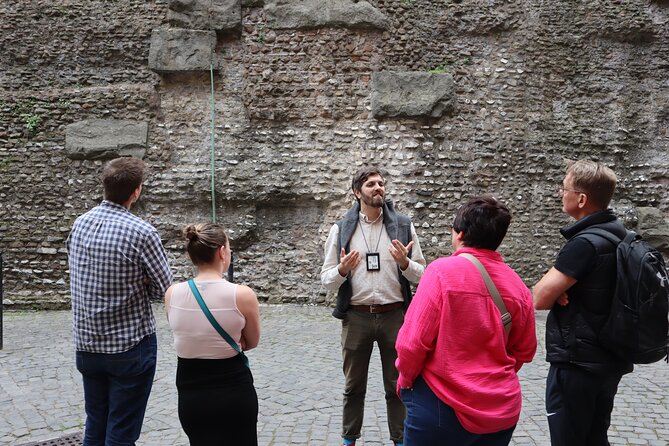
The tour route focuses on the places that connect the fortress’s changing identity. You’ll spend time at Castel Sant’Angelo and get a guided walk that highlights big-story locations rather than random corners.
A guide is especially valuable here because the building has multiple layers. You’ll be shown:
- The burial place of a late Emperor, which gives the Roman monument context
- The Pope’s apartments, showing how the papal era reinterpreted the space
- A treasure room, where the castle isn’t just about power—it’s about what was kept and displayed
- Areas tied to the fortress’s darker chapters, including prison use and public executions
You’ll also notice architecture and paintings as you move through rooms. Without a guide, you might see them as “nice details.” With a guide, you start to see what each area was built to communicate.
The storytelling style can vary by guide, and I like that you can get real personality in the narration. Several guides have been specifically praised for humor and clear delivery—names that came up include Alec, Agnes, Teresa, Bogdan, and Silvia. That matters because Castel Sant’Angelo is information-dense. A good guide helps you keep the timeline straight.
One more small thing that’s worth thinking about: you’ll likely move faster than you would on a pure self-guided stroll. If you like stopping to read every plaque for long stretches, this guided format may feel like it nudges you along. The best approach is to let the guide set the rhythm, then use your free moments to go back to the spots that catch your eye.
Ponte Sant’Angelo angels and the bridge-of-power feel
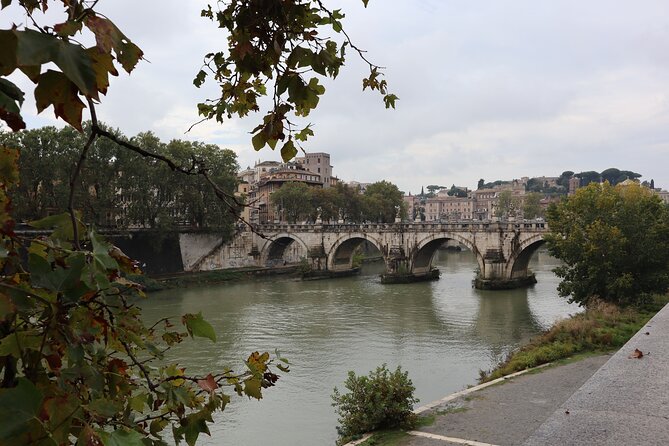
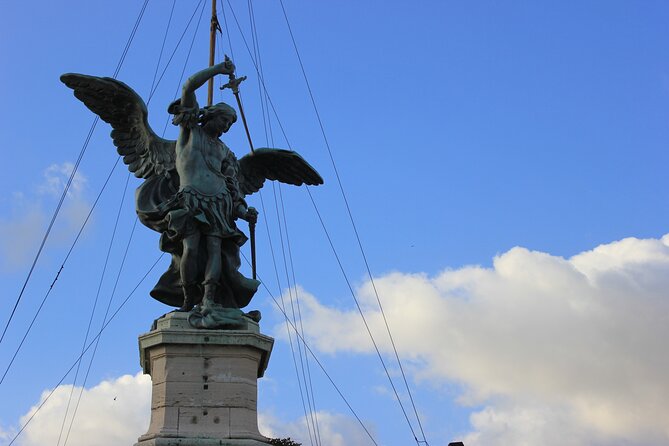
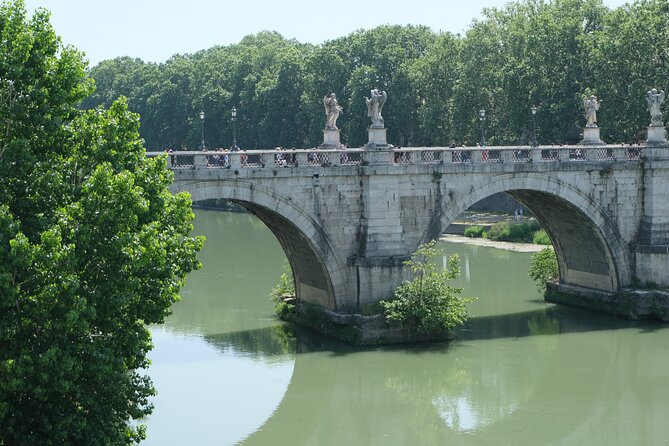
Even though Castel Sant’Angelo is the main attraction, the experience ties into Ponte Sant’Angelo, often called the Bridge of Angels. You’ll see the angel sculptures associated with the bridge, and it’s not just a decorative stop.
This is the kind of Rome detail that makes your visit feel connected instead of disconnected. The bridge links the river approach to the fortress, and the angels are part of how the city expresses power through art.
From a visitor perspective, it helps to think of this as a “set-up” moment. Before you hit the terrace, you get a visual sense of the route you’re walking through—Rome’s river city logic, with symbolism on top.



The roof terrace: panoramic Rome, plus the stairs you must plan for
The terrace is the moment most people remember. It’s where the tour earns its keep: you get a panoramic tour from the terrace and chances to take pictures with Rome laid out below you.
But let’s talk about the main reality check: you need to climb. The tour requires climbing a series of stairs to reach the terrace. One account even warned about around 270 stairs, and noted that some sections didn’t have handrails and involved earthen paths. Even if your route is a bit different day to day, the “stair-heavy” message is consistent with what the tour setup requires.
So here’s what I’d do to make the terrace enjoyable instead of stressful:
- Wear shoes with solid grip. That’s the difference between enjoying the view and focusing on not slipping.
- Expect slow going on the way up. Don’t race the group. Your legs will thank you at the top.
- Use your headsets on the climb. The guide may point out views as you move, and it’s easier if you’re hearing the commentary rather than trying to read while walking.
Once you’re up there, you’ll understand why the terrace is central to the tour design. It gives you a unique perspective on the city and a break after indoor history.
And yes, if you’re there during golden hours, the light can make the views especially rewarding. Just remember: the stairs are part of the ticket.
Group size, pace, and how to choose the right mindset
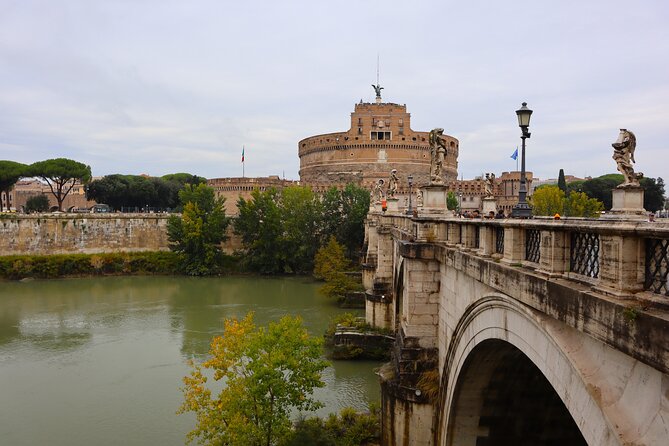
This is a small group experience, max 20 people. In practical terms, that usually means:
- You’ll have enough space to move without feeling like you’re in a human bottleneck.
- You should be able to hear the guide better with headsets.
- The tour can stay organized through multiple rooms and viewpoints.
That said, a group tour can occasionally feel uneven if everyone doesn’t stay close. I saw a tough counterpoint in the available feedback: one account described trouble keeping the group together and losing time. I can’t promise it won’t happen, but it’s a good reason to do two things:
- Arrive early enough to start calmly.
- Keep a close eye on the guide and use the headsets so you’re not guessing when to move.
The pace also matters. This tour is set for about two hours total. If your idea of a Rome day is slower and longer—more cafés, more wandering—then the terrace and story might still be worth it. But go in knowing you’re trading free wandering for structure and context.
Who should book this Castel Sant’Angelo guided tour
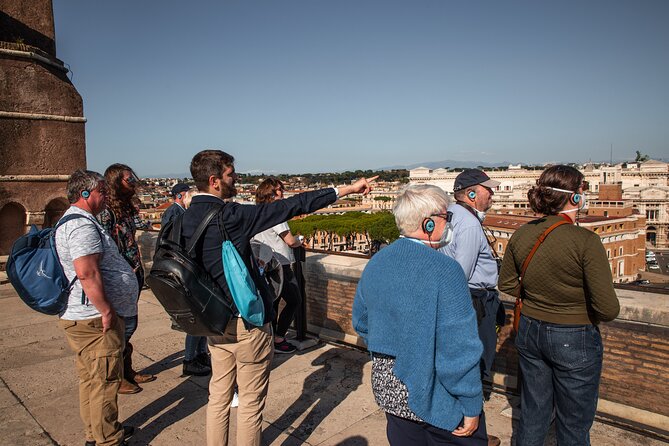
This tour makes the most sense if you:
- Want included tickets so your visit starts smoother
- Like history explained in a straight line, from Roman origins to the Popes and beyond
- Care about getting the terrace view without spending energy figuring out the best way to do it
- Prefer guided navigation in a complex site where it’s easy to miss the main rooms
It’s also a solid choice if you’re visiting with someone who would rather hear the story than read every sign. Multiple guide names were praised for making the tour fun—Alec, Agnes, Teresa, Bogdan, and Silvia were among those specifically highlighted.
Skip it if you:
- Have trouble with stairs. Even if you can manage, the terrace climb is a major part of the experience.
- Want total freedom to roam on your own schedule. There’s value in self-guided wandering here, and one account noted that English signage helps.
Should you book this Castel Sant’Angelo guided tour?
I’d book it if you’re aiming for a high-return visit: tickets handled, a guide who ties the building to the story, and that rooftop payoff with views over Rome.
I would not book it if stairs are a deal-breaker for you. The terrace is the big reward, and the tour is built around reaching it. If you know you’ll struggle with a major stair climb, a different plan is smarter.
One last practical note: you’ll need to follow the site rules and carry the correct IDs, and your time slot matters. If you’re organized and ready to move, this tour can turn Castel Sant’Angelo from a cool-looking fortress into a place you understand.
FAQ
How long is the Rome: Castel Sant’Angelo guided tour?
The tour lasts about 2 hours.
Is admission to Castel Sant’Angelo included?
Yes. Castel Sant’Angelo access and admission tickets for your selected date and time slot are included.
Do you get headsets during the tour?
Headsets are provided if needed.
Where do we meet for the tour?
The meeting point is Lungotevere Castello, 50, 00193 Roma RM, Italy. The tour also ends back at the meeting point.
What ID do I need to bring?
You should bring your passport or valid ID. You also need to provide the full name(s) of each participant exactly as they appear on your passport or valid ID.
Is the tour very walk- and stair-heavy?
You should have a moderate physical fitness level. You will need to climb a series of stairs to reach the panoramic terrace.
Can I cancel for free?
Yes. Free cancellation is available up to 24 hours before the experience start time for a full refund.