REVIEW · ROME
Rome: Basilica of St Mary Major Catholic Pilgrim Tour
Book on GetYourGuide →Operated by Crucis Tours · Bookable on GetYourGuide
Holy Doors in Rome hit different. This St Mary Major (Santa Maria Maggiore) Catholic pilgrimage tour is a focused 60-90 minutes where you don’t just look at art—you get the meaning, from the ancient mosaics to the relics people come to venerate. I especially like how the tour spotlights the Salus Populi Romani icon tied to St Luke and the symbolism packed into the basilica’s most important visuals.
One thing to keep in mind: this is an active church visit with rules. You’ll need to skip shorts and short skirts, and you should plan for a bit of standing and walking inside and at the entry steps.
In This Review
- Key highlights worth your time
- Why St Mary Major feels like a pilgrimage, not just a church stop
- Piazza Santa Maria Maggiore meetup and how the 60–90 minute flow works
- The Holy Door at close range: what you’re actually looking at
- Inside Santa Maria Maggiore: relics, icons, and the displays pilgrims care about
- The crib wood relic of the baby Jesus
- Salus Populi Romani, presented as St Luke’s icon
- Pope St Pius V’s glass sarcophagus
- The mosaics behind the altar: symbolism that connects scripture
- Small group plus radio headsets: better listening inside a loud city
- Clothing rules and practical comfort: how not to get stuck
- Value check: is $65 a fair price for a one-hour basilica pilgrimage?
- Who this tour suits best
- Should you book this St Mary Major Catholic pilgrimage tour?
- FAQ
- How long is the Rome St Mary Major Catholic Pilgrim Tour?
- Where do I meet the guide?
- How much does it cost?
- What are the main things I’ll see inside?
- Is there a skip-the-line benefit?
- What languages are available for the guide?
- Is the group large?
- Are there dress restrictions?
- Is a homily included?
- How many Holy Doors are tied to Jubilee Years?
Key highlights worth your time
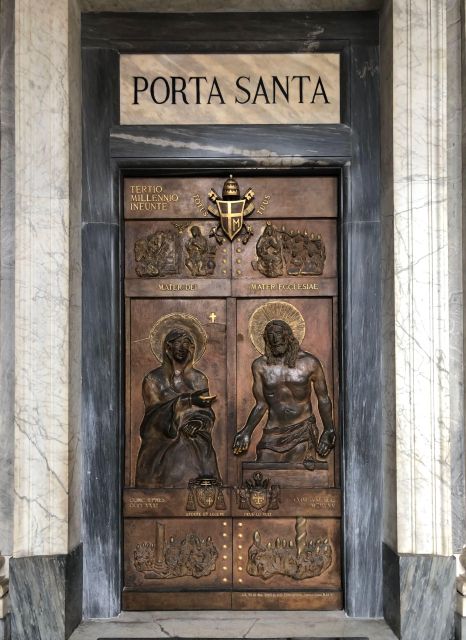
- Holy Door viewing before entry, tied to Jubilee Years and the idea of a plenary indulgence
- Relic of the crib of the baby Jesus, shown through wood associated with the holy crib
- Salus Populi Romani icon by St Luke the Evangelist, presented as a cornerstone of Catholic tradition
- Symbol-laden mosaics behind the altar, with catechesis connecting Old and New Testament themes
- Glass sarcophagus of Pope St Pius V, plus other displays meant for pilgrim veneration
- Small group format (up to 10 people) with guide support and radio headsets when needed
Why St Mary Major feels like a pilgrimage, not just a church stop
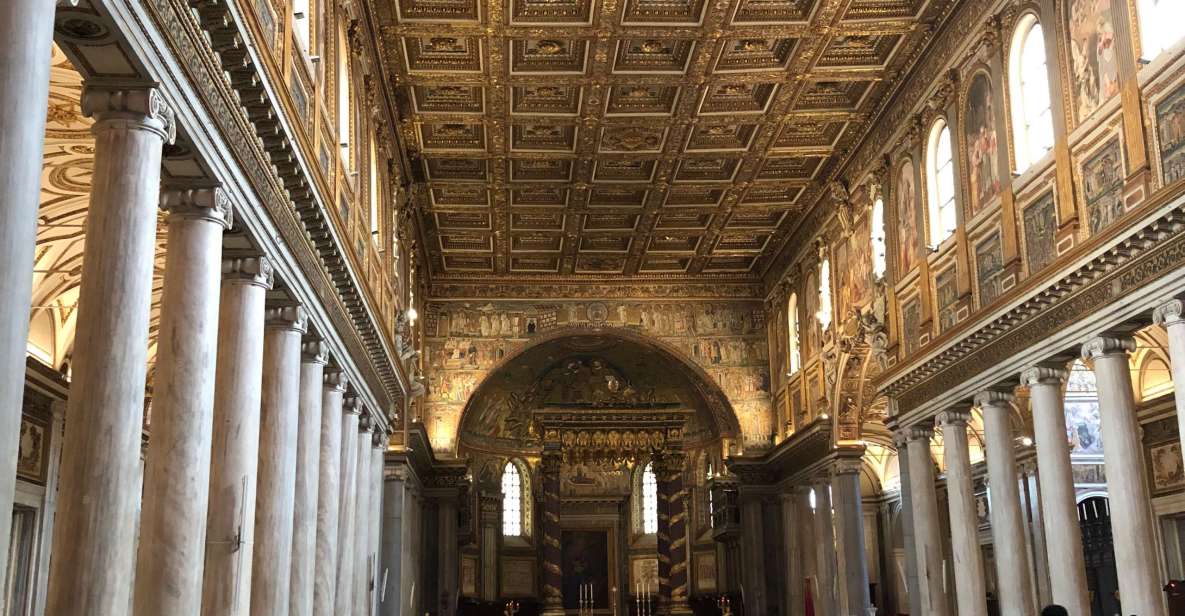
If you’ve seen Rome’s “big hits,” you already know the city can be crowded, fast, and a little surface-level. St Mary Major is different. It’s one of Rome’s four Major Papal Basilicas, and it’s also tightly linked with Jubilee Years through the Holy Door tradition. Even if you’re not traveling for a Jubilee right now, the basilica’s role as a major destination for pilgrims gives it a “purpose-built” feel.
Locally, you’ll hear it called Santa Maria Maggiore, and it sits in that special category of churches that feel both historic and spiritually “alive.” The tour frames it as one of Rome’s oldest church traditions dedicated to Our Lady—plus it’s a Papal basilica, so it carries extra significance in Catholic life.
Another detail I like: you’ll learn that the basilica has five different names. That may sound academic, but it matters. Names in church history often reflect major moments—changes in devotion, restorations, or how different communities understood the place. You’ll hear this as you gather outside and then move toward the entrance.
You can also read our reviews of more tours and experiences in Rome.



Piazza Santa Maria Maggiore meetup and how the 60–90 minute flow works
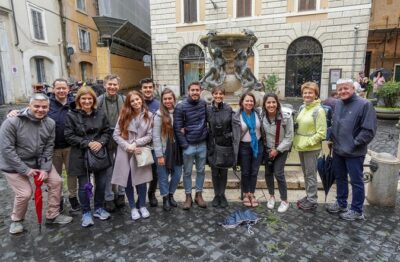
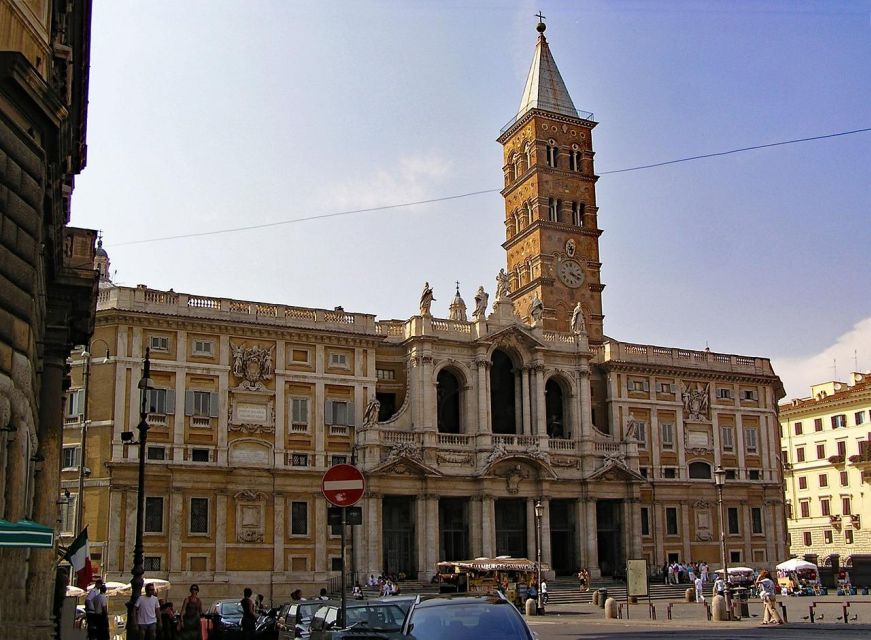
Your starting point is straightforward: you meet at the fountain in front of the main entrance to Basilica Papale di Santa Maria Maggiore, facing onto Piazza Santa Maria Maggiore (not Via Cavour). Bring a screenshot of the pin location so you can orient fast when you arrive.
The tour runs for about 1 hour, though the schedule is described as 60 to 90 minutes. That wiggle room is useful in churches like this, where entry, security, and time for photos and questions can stretch things out.
You’ll also get a small group experience, limited to 10 participants. If your group is 7 or more, you’ll use radio headsets. In practical terms, this helps the guide keep a steady pace and lets you hear explanations clearly without craning your neck or fighting room noise.
There’s also a skip-the-line style benefit: express security check. This matters in Rome. It doesn’t eliminate crowds, but it usually cuts down the “wait, shuffle, wait” part of the day.
At the end, for people doing only the basilica, the tour concludes on the steps in front of the main entrance. If you’re continuing with a larger pilgrimage plan (the Via Crucis Pilgrim Tour), you’ll leave with the guide to see additional relics and other major sites—St John Lateran is specifically mentioned among the stops.
The Holy Door at close range: what you’re actually looking at
Before you go inside, you’ll take a close look at the Holy Door. The point here isn’t just to say you saw a famous doorway. The tour explains that these doors belong to the tradition of Jubilee Years, when the Holy Doors open in the four Major Papal Basilicas so pilgrims may gain a plenary indulgence.
Even if your visit isn’t during a Jubilee, seeing the Holy Door as an object of devotion helps you understand the basilica’s “big picture” role. Jubilee time is when Rome becomes a kind of living pilgrimage map, and this doorway is part of the spiritual route, not just an architectural feature.
Think of it this way: a lot of church tours give you the building. This one tries to give you the reason people travel across continents for a moment like that.
Inside Santa Maria Maggiore: relics, icons, and the displays pilgrims care about
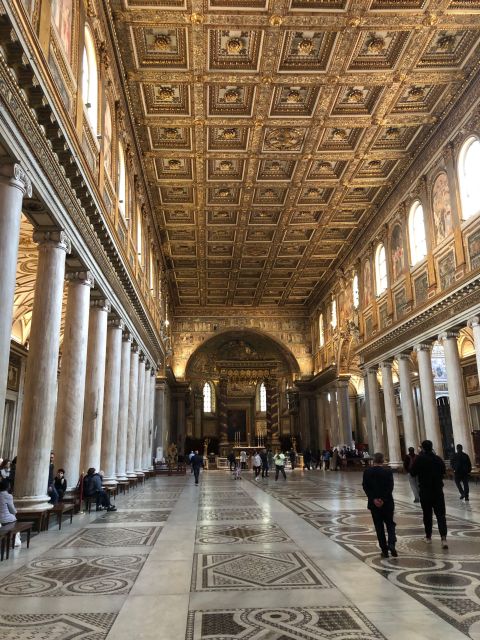
Once you enter, the tour stays tightly focused on what pilgrims typically look for first—relics and sacred images—then it connects those objects to the basilica’s visual language.
The crib wood relic of the baby Jesus
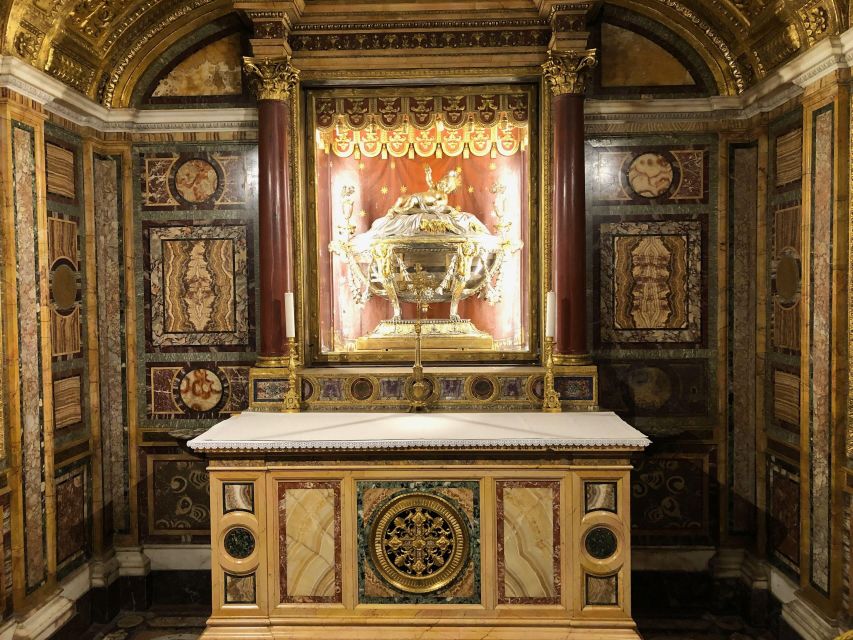
One standout is the relic associated with the crib of the baby Jesus. You’ll be able to see wood described as coming from the crib. That kind of detail can feel striking because it’s personal and physical. You’re not just hearing a story about the Incarnation; you’re standing near an object connected to it as part of Catholic tradition.





Salus Populi Romani, presented as St Luke’s icon
Next is the Salus Populi Romani, a miraculous icon that Catholic tradition holds was painted by St Luke the Evangelist. Even if you don’t share the same faith background, it’s easy to see why this drawing card matters. The icon tradition places a “spiritual face” on the city’s devotion to Mary as the protection of the people.
This tour’s advantage is that it doesn’t treat the icon like a trivia answer. It frames it within the basilica’s larger devotional purpose.
Pope St Pius V’s glass sarcophagus
You’ll also see the glass sarcophagus of Pope St Pius V. This is another moment where the tour’s focus helps. A basilica contains many details; a pilgrimage-style guide helps you find the ones that carry the most meaning for worshippers.
If you tend to enjoy “why this object matters,” this is a big part of the value: the tour explains what you’re looking at and why Catholics have centered these items across centuries.
The mosaics behind the altar: symbolism that connects scripture
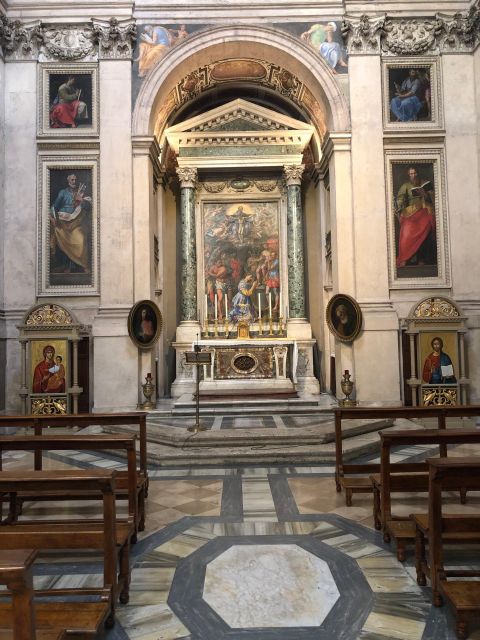
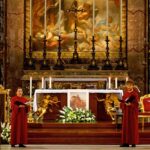
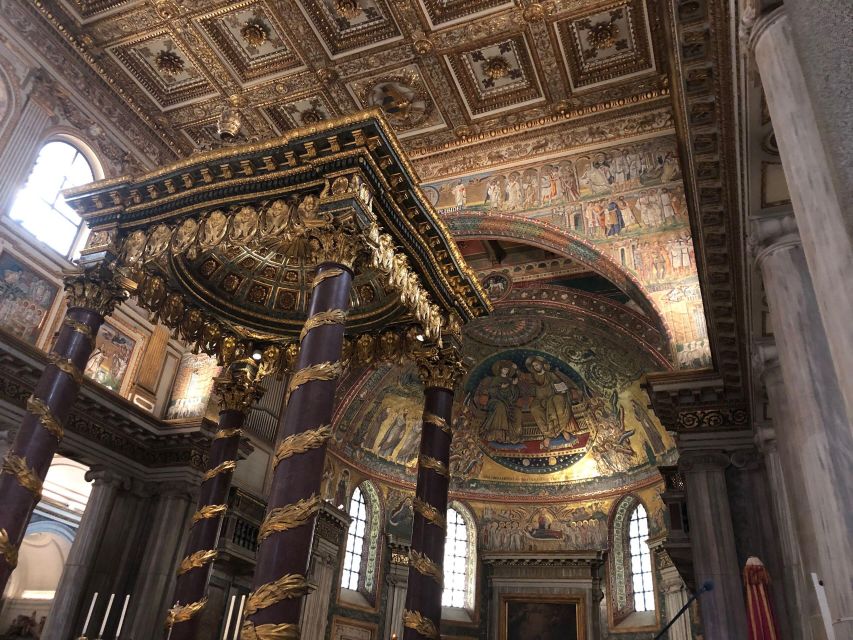
For me, the mosaics are where this tour earns its keep. You’ll study the mosaics laden with symbolism, and you’ll see how the images function like visual teaching—catechesis that connects both the Old and New Testament.
This is the part that many general sightseeing tours rush through. You may have seen mosaics in other churches, but here you get guided attention to the meanings embedded in them. That’s the difference between looking at gold-and-glass decoration and understanding it as a structured way to tell scripture.
If you’re the kind of person who likes to leave a church with a few “aha” takeaways, you’ll probably appreciate the way the tour connects biblical themes rather than treating the artwork like a gallery label.
Small group plus radio headsets: better listening inside a loud city
Rome does its best to distract you—traffic noise outside, footsteps, group chatter, the constant “move along” pressure. The tour’s small group format helps you avoid that feeling of being herded.
Add radio headsets for groups of 7 or more, and your guide’s explanations come through more clearly. That’s especially useful in basilicas, where sound behaves unpredictably and people naturally speak softly. If you’ve ever felt left behind in a group tour, the headset setup is a practical quality-of-life upgrade.
Also, the guide interaction is described as being clear and conversational. Guides named Wen and Tom are specifically praised for being professional and easy to follow, with explanations that answer questions and keep a dialogue going. That’s a big deal in a tour like this, because you’ll likely have follow-up questions about symbolism, relic tradition, and why certain displays matter.
Clothing rules and practical comfort: how not to get stuck
This tour includes simple but strict entry rules: shorts and short skirts aren’t allowed. So bring something that covers your legs appropriately. If you’ve got a day planned that includes beachwear, change before you head in.
Beyond clothing, plan for a steady “pilgrim pace.” The experience is about 60-90 minutes, but inside you’ll want to be ready to stop, look, and listen. Shoes that work on stone floors and steps will pay off. (You finish on the steps in front of the entrance, so you’ll be using them at the end too.)
If you’re bringing a homily expectation: a homily is included on request. So if that’s part of your spiritual purpose for visiting, you’ll want to ask rather than assume.
Value check: is $65 a fair price for a one-hour basilica pilgrimage?
Let’s talk money honestly. At $65 per person, this isn’t the cheapest “walk-by and read a plaque” church experience. But it’s also not priced like a long day trip.
Here’s why it can still feel like good value:
- Taxes and fees are included, so you’re not surprised at the end.
- Skip the line via express security reduces dead time in a city where waiting can eat your day.
- If your group is at least 7 people, you get radio headsets, which directly improves the quality of the tour.
- You get a live English or Chinese guide and a structured experience focused on the most meaningful elements: Holy Door, key relics, the icon of Salus Populi Romani, and the mosaic symbolism.
The biggest value-driver is the “meaning layer.” If you’re going to spend time in a basilica anyway, paying for a guide who explains why objects and images matter often beats paying nothing and guessing your way through.
The only real value risk is if you’re expecting a casual, purely visual stroll. This is more “pilgrim instruction” than “Instagram highlights.”
Who this tour suits best
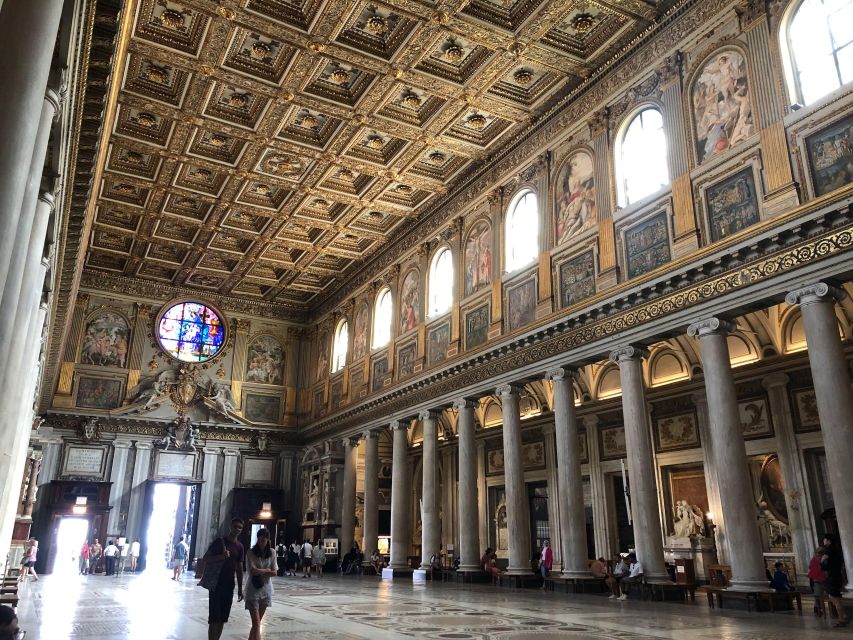
This experience is built for people who want the spiritual and historical reasons behind what they’re seeing—especially around Marian devotion and the objects Catholics venerate. If you’re traveling for a Jubilee-related pilgrimage mindset, the Holy Door focus is a strong match.
You’ll also like it if you enjoy:
- art explanations that connect to scripture
- relic tradition presented clearly (not as random museum artifacts)
- a small group setting where questions are welcome
If you want the fastest possible “I saw it” checkmark, you might find a 60-90 minute structured visit a bit slower than your style. But if your goal is to leave with real understanding, this tour is well aligned.
Should you book this St Mary Major Catholic pilgrimage tour?
I’d book it if you want St Mary Major to feel like a pilgrimage with a guide’s help—not just a stop on a Rome checklist. The combination of Holy Door context, crib relic wood, Salus Populi Romani by St Luke, and the mosaic symbolism instruction is what separates this from generic basilica tours.
I’d skip it if your plan is purely sightseeing with minimal religious framing, or if you’re not willing to follow the entry dress rules (no shorts, no short skirts). Also, since transport isn’t included, you’ll want to be able to reach the meeting fountain in front of the basilica on Piazza Santa Maria Maggiore easily.
If you’re ready to slow down for meaning inside one of Rome’s major Papal basilicas, this one is a solid bet.
FAQ
How long is the Rome St Mary Major Catholic Pilgrim Tour?
The tour lasts about 1 hour, with timing described as 60 to 90 minutes.
Where do I meet the guide?
Meet at the fountain in front of the main entrance to Basilica Papale di Santa Maria Maggiore, which faces onto Piazza Santa Maria Maggiore.
How much does it cost?
The price is $65 per person.
What are the main things I’ll see inside?
You’ll see the Holy Door area before entry, the relic of the crib of the baby Jesus, the icon Salus Populi Romani by St Luke the Evangelist, the mosaics with symbolism behind the altar, and the glass sarcophagus of Pope St Pius V.
Is there a skip-the-line benefit?
Yes. The tour includes an express security check.
What languages are available for the guide?
The live tour guide is available in English and Chinese.
Is the group large?
It’s a small group limited to 10 participants.
Are there dress restrictions?
Yes. Shorts and short skirts are not allowed.
Is a homily included?
A homily is included on request.
How many Holy Doors are tied to Jubilee Years?
The tour explains that the Major basilicas have Holy Doors and that there are four Major Papal Basilicas with Holy Doors that open during a Jubilee Year for pilgrims seeking a plenary indulgence.