REVIEW · ROME
National Museum of Palazzo Venezia in Rome
Book on Viator →Operated by Weekend in Italy · Bookable on Viator
This palace-museum feels quietly impressive. The National Museum of Palazzo Venezia in Rome is in the former home of Venetian Pope Paul II Barbo, and it turns that setting into a smart showcase of applied arts from the 15th to the 18th centuries.
I particularly like the tranquil garden feel—people use it to sit in shade and reset away from Rome’s traffic. I also love the inlaid mosaic floors and original ceilings that make the interiors feel real, not just museum-display real.
One thing to consider: this is generally an independent entry experience. If you were picturing a full-on guided narration, you may feel a bit let down.
In This Review
- Key things to know before you go
- Palazzo Venezia Rome: a Venetian Pope’s home turned museum
- What you actually explore inside the National Museum of Palazzo Venezia
- Sculptures, bronzes, and the “hands-on” beauty of applied arts
- Ceramics and porcelain: small objects with big presence
- Historic arms and the surprise of weapon design
- The palace rooms: floors, ceilings, and the value of taking it slow
- Garden time: shade, quiet, and a real Roman pause
- Italian and German artistic heritage: why this mix works in Rome
- Timing it right: 1–3 hours is plenty, but plan your pace
- Price and value: what $27.87 buys you in real terms
- Know what kind of visit you’re getting (self-guided vs guided)
- Service matters: a note on staff interactions
- Who should book Palazzo Venezia?
- Should you book this Palazzo Venezia experience?
- FAQ
- How long is the National Museum of Palazzo Venezia visit?
- What is included in the price?
- Does this include private transportation?
- Is the visit guided?
- When will I receive confirmation after booking?
- Is this experience refundable if I cancel?
Key things to know before you go
- Paul II Barbo’s 15th-century residence: the building itself is the hook.
- Applied arts focus: sculptures, bronzes, porcelain, ceramics, and historic arms.
- Italian and German art side-by-side: a useful change from Rome’s usual big-paintings-only vibe.
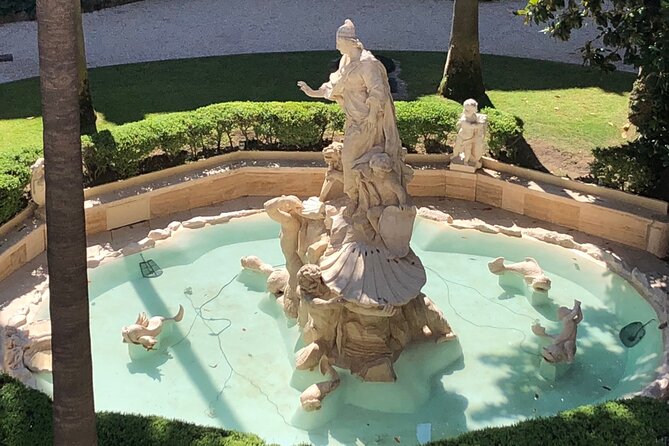
- Garden break: described as peaceful, shaded, and used by locals.
- Great sightlines: a balcony viewpoint can frame the Altare della Patria area and inner garden.
- Long corridors in a big palace: plan for wandering, not a quick hallway stop.
Palazzo Venezia Rome: a Venetian Pope’s home turned museum
Palazzo Venezia isn’t pretending to be something it isn’t. You’re walking through a former residence with serious 15th-century roots, connected to Paul II Barbo, the Venetian pope who helped shape the future of this building. That matters because it changes the mood. Instead of feeling like a generic museum box, the experience feels like you’re moving through rooms that once had daily life, status, and taste baked into the walls.
The museum opened in 1921 and has leaned into a specific angle: applied arts. That sounds like a school term until you’re inside and see what that means in practice—craft, objects, decoration, and the kind of artistry that sits somewhere between art and “museum-quality design.” You get to enjoy details that you might otherwise skip in a city that’s famous for grand frescoes and monumental churches.
You can also read our reviews of more museum experiences in Rome



What you actually explore inside the National Museum of Palazzo Venezia
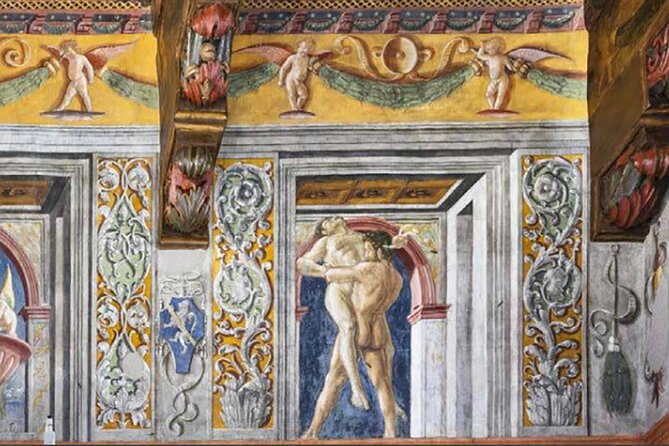
You’re looking at a collection that spans roughly the 15th to the 18th centuries. The theme is not one single art form. It’s a mix, and that’s why the visit works well for different tastes.
Here’s what your time is likely built around:
Sculptures, bronzes, and the “hands-on” beauty of applied arts
I like that the museum isn’t limited to one lane. You can shift from sculpture to Renaissance bronzes and then to smaller decorative works without feeling like you’re trapped in one style loop.
One standout you can expect is Italian and German sculpture. Rome can be strongly Italian in its museum flow, so getting German artistic heritage inside this specific setting feels like a refreshing change of perspective. It also helps you notice how styles and craftsmanship traveled through Europe.
Ceramics and porcelain: small objects with big presence
Applied arts means you should pay attention to surfaces, ornament, and material quality. Ceramics and porcelain collections tend to reward slow looking. Even when you’re not an art expert, you can still sense the difference between mass-produced sameness and objects that were made to impress.
In a palace like this, those pieces also make sense. This is where decorative design would have lived alongside furniture and wall décor. You’re not just seeing items—you’re seeing how they would have fit into the room.
Historic arms and the surprise of weapon design
Yes, there are historic arms. That doesn’t mean you’ll spend the whole time in arms-and-armor mode, but it does add a sharper edge to the story of collecting and display. What you often notice with decorative weapons is that function and status get mixed together. The objects were meant to be owned, shown, and respected.





The palace rooms: floors, ceilings, and the value of taking it slow
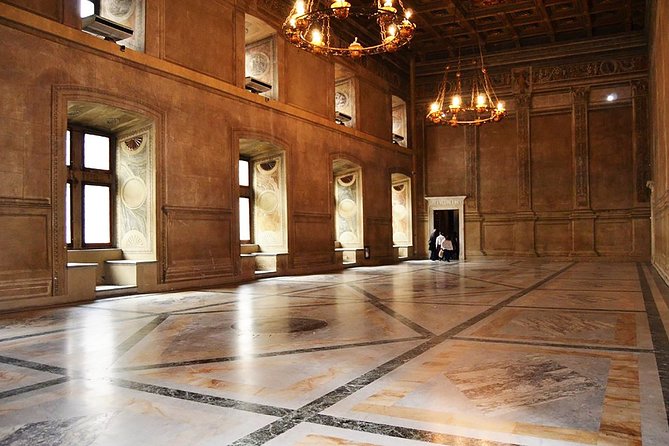
Palazzo Venezia’s reputation for stunning interiors isn’t just hype. The interiors you’ll see can feel like a living catalog of craftsmanship—especially the inlaid mosaic floors and the sense that original ceilings and decorative elements still carry weight.
Here’s the practical reason that matters: this museum works best if you don’t treat it like a checklist. Give yourself time to pause in the rooms where the design feels most intact. The ceilings and floorwork are the kind of details that can vanish if you rush.
Also, the building is big. You may find yourself moving through long corridor stretches. That’s not a deal-breaker, but it does affect how you plan your visit. If you like lots of short stops, this is fine. If you prefer compact museums where everything is within a few minutes of each other, you may want to pace yourself.
Garden time: shade, quiet, and a real Roman pause
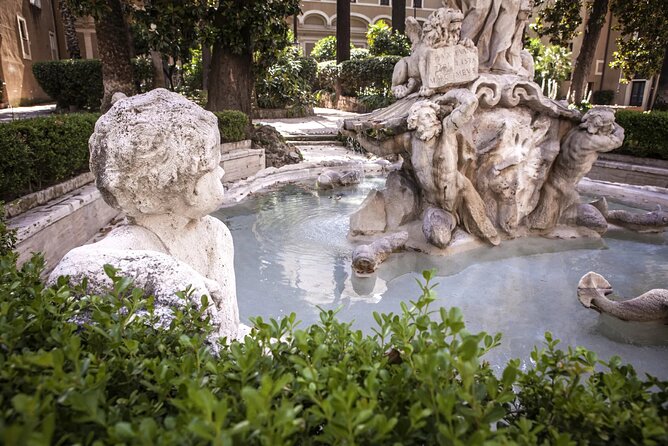
One of the most consistently praised aspects is the garden. This is the part I’d plan around, not just as an afterthought.
People describe it as a peaceful, shaded place to sit. That sounds simple, but in Rome it can be the difference between a museum you remember and a museum you only half recall. If you’re visiting on a warm day, you’ll be grateful for any spot where locals linger.
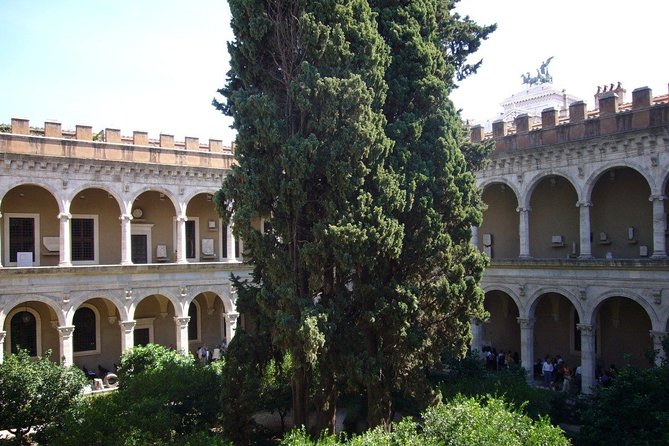
You might also catch views from the palace balcony area. There’s mention of a balcony perspective that frames the Altare della Patria area, plus views connected to the garden. Even if you’re not staying long outside, it’s worth checking out the vantage point so the museum feels connected to the city.
Italian and German artistic heritage: why this mix works in Rome
Rome has a strong habit of grouping art by artist, school, or era. Palazzo Venezia groups art by theme—applied arts—and then threads in the European blend.
What I like about that approach is how it changes the feeling of the visit. You’re not only looking at famous names. You’re looking at objects and decoration choices that reveal taste, wealth, and technical ability across centuries.
That Italian and German mix also gives you a better sense of how interconnected collecting and craftsmanship were during the 15th to 18th centuries. You can stand in one room and sense that the artistry doesn’t come from just one direction. It circulates.
Timing it right: 1–3 hours is plenty, but plan your pace
Your ticket is set for about 1 to 3 hours. That’s a wide range, and it fits the way the museum space behaves. If you’re quick, you can do a solid overview. If you like details, you’ll fill the longer end easily.
A smart strategy is to break your visit into three chunks:
1) Start with the rooms where the decorative impact is strongest (floors and ceilings can set the tone).
2) Spend real time with applied arts types that reward close looking, like ceramics and porcelain.
3) Finish by slowing down in the garden area and checking any viewpoints before you head out.
If you prefer a more relaxed outing, do the garden part mid-visit rather than last. It’s easier to maintain focus when you’ve had a reset break.
Price and value: what $27.87 buys you in real terms
At $27.87 per person, you’re paying for entry to the National Museum of Palazzo Venezia. That admission is included, and it’s the heart of the deal.
Is it a bargain compared to Rome’s biggest attractions? Not always. But it can be good value if you care about craftsmanship, design, and the kind of art that doesn’t require you to already know every master.
Also, your time here is flexible—1 to 3 hours—so you’re not stuck committing to a full day. You’re buying a focused slice of Rome that feels different from the usual top-ten checklist.
One more value point: it’s near public transportation, so you’re not paying the Rome tax for complicated logistics. Private transportation is not included, so if you’re planning from far away, you’ll want to rely on trains, buses, taxis, or walking connections that already work for you.
Know what kind of visit you’re getting (self-guided vs guided)
The biggest practical caution is expectation-setting. Your entrance ticket is for entry and an independent visit experience. Some people end up disappointed when they expected a guided narration. That’s an avoidable mistake.
So here’s what I recommend:
- If you want a guide’s voice and structure, check in advance whether any additional guided option exists for your specific date.
- If you’re happy to explore at your own speed, this set-up can actually be a plus. You can linger in the rooms that grab you and skip parts that don’t.
If you’re the kind of person who loves reading labels and following your own rhythm, Palazzo Venezia can work beautifully.
Service matters: a note on staff interactions
Most of what stands out is positive. But there have been complaints about rudeness and confusion around what was included. One person even reported a negative moment tied to a minor issue, with the response being essentially that it was outside their ability to intervene.
You can’t control how staff treat you, but you can control how you arrive prepared:
- Double-check what your ticket covers.
- Keep your expectations simple: entry for independent exploring.
- If you have questions, ask clearly and early.
That approach prevents frustration from turning a good museum day into a stressful one.
Who should book Palazzo Venezia?
Book Palazzo Venezia if you like:
- decorative art, sculpture, bronze, porcelain, ceramics, and designed objects
- museum visits where the building is part of the storytelling
- a calmer break inside the city, especially with the garden option
- an experience that can be done in 1–3 hours without a full itinerary headache
You might skip it (or pair it carefully) if you:
- only want the most famous, blockbuster artworks
- strongly prefer guided tours with a set narrative for every room
- hate wandering through long corridors and many rooms
Should you book this Palazzo Venezia experience?
Yes, if you want a Rome museum day that feels more like architecture plus craftsmanship than monument-chasing. The collection focus on applied arts makes the interior details matter, and the garden can turn the visit into an easy, pleasant pause rather than a sprint.
If you book, go in with the right mental picture: you’re entering a 15th-century pope-linked palace and exploring independently. You’ll get the most out of it when you slow down for floors, ceilings, and material detail—and when you save time for that garden calm.
FAQ
How long is the National Museum of Palazzo Venezia visit?
The experience is listed as lasting about 1 to 3 hours.
What is included in the price?
The entrance ticket to the National Museum of Palazzo Venezia is included.
Does this include private transportation?
No. Private transportation is not included.
Is the visit guided?
The included ticket is for an independent visit rather than a guided tour.
When will I receive confirmation after booking?
You should receive confirmation within 48 hours of booking, subject to availability.
Is this experience refundable if I cancel?
No. It is non-refundable and cannot be changed for any reason.