REVIEW · ROME
Golf Cart Tour of Rome: 3h with local guide and Gelato
Book on GetYourGuide →Operated by MAMA LOVE TOUR · Bookable on GetYourGuide
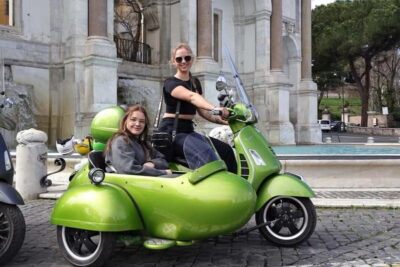
Rome by golf cart beats the walking grind.
I love the comfort and control of riding through tight streets while you still get guided time at big-name sights. I also like the built-in rhythm: short stops for photos and quick orientation, plus a relaxing gelato moment with the guide. One thing to weigh: the route can be tight, and the info is a bit mixed on mobility (it says both wheelchair accessible and not suitable for wheelchair users), so confirm what actually works for your group.
In practice, this tour is all about convenience. With a private group and multilingual live guide, you can keep the day moving without the “long-line, long-walk” spiral. And it helps when the guide keeps things practical; I’ve seen it praised for making sense of Rome when the sites are packed, with guides like Ricardo and Karoline pairing the sights with a proper gelato stop.
In This Review
- Key points to know before you go
- Why a golf cart works so well for Rome
- Price and what you really get for $192.70
- Pickup, timing, and how the 3-hour plan moves
- Villa Borghese and the first viewpoint energy
- Via Veneto to Piazza Barberini: elegance with quick stops
- Palazzo del Quirinale: a powerful exterior stop
- Trajan’s Market to the Colosseum: from ancient city blocks to legend
- Circus Maximus and the photo-friendly sweep
- Piazza Navona to the Pantheon: big architecture, controlled time
- Trevi Fountain and gelato to cap the ride
- What the guide experience is like (and why it matters)
- Who this private golf cart tour suits best
- Potential hiccups to plan around
- Should you book this Golf Cart Tour of Rome?
- FAQ
- How long is the Golf Cart Tour of Historic Rome?
- What sights are included on the itinerary?
- Is pickup available, and where does it start from?
- Is this a private tour?
- What languages does the live guide speak?
- Is gelato included?
- Is it good for wheelchair users?
Key points to know before you go
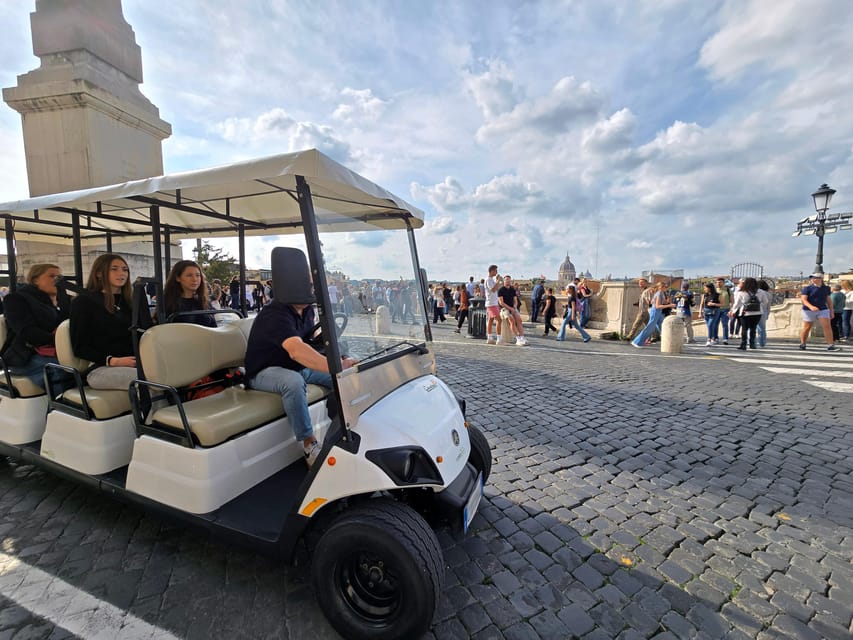
Hotel pickup near Piazza del Popolo: You’re met within 3 km of the starting point area, then returned after the tour.
A guided hit-list of Rome’s icons: Colosseum, Pantheon, Trevi Fountain, plus major squares and viewpoints.
Photo stops built into the plan: You get brief moments to pause, frame shots, and enjoy the views.
Private group, up to seven passengers per cart: Easier to keep your pace and talk with the guide.
Languages depend on your booking: The tour lists English, Italian, Spanish, Russian, and French.
Mobility notes are inconsistent: You’ll want to confirm wheelchair fit and vehicle access directly.
Why a golf cart works so well for Rome

Rome can feel like a win-and-lose game: you win on the sights, then lose on the walking and navigation. A golf cart tour fixes the hardest parts of the day. You still see everything, but you spend less time fighting distance, crowd bottlenecks, and that constant stop-and-go of busy streets.
The other advantage is attention. With short guided segments, you learn what you’re looking at without the day turning into one long lecture. It’s a good match if you like big landmarks, but you also want time to breathe, take photos, and keep moving.
You can also read our reviews of more guided tours in Rome



Price and what you really get for $192.70
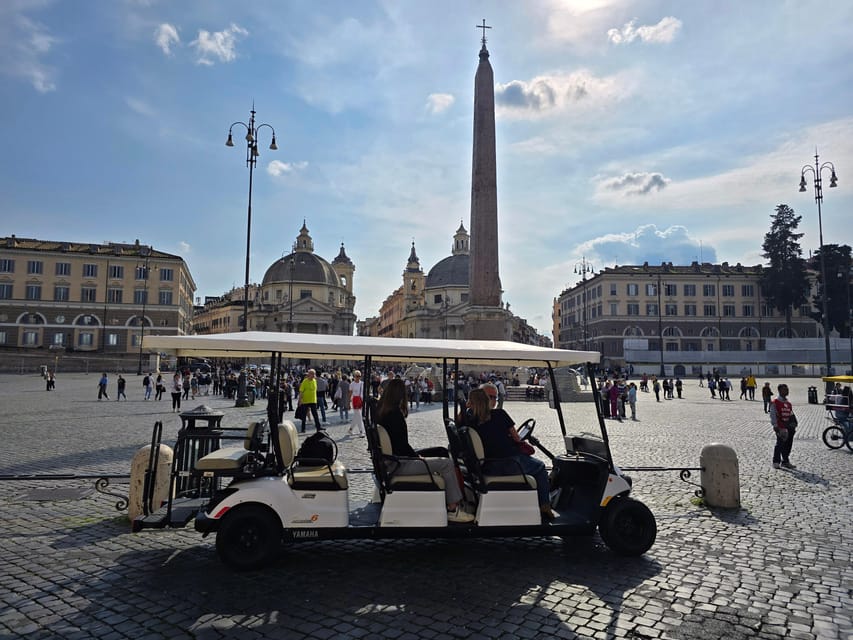
At $192.70 per person for a 3-hour private tour, you’re paying for three things: transport, a live guide, and a smarter way to cover multiple central sights. It’s not the bargain-basement option. But it can be excellent value if you’re traveling as a small group and want to reduce walking time.
Think of it this way: a normal Rome sightseeing day often costs you time, energy, and sometimes multiple transit rides. Here, the golf cart acts like a moving base. You get a planned route through major areas, with the guide handling the “why this matters” part and you handling the camera and comfort.
If you’re deciding between doing everything solo versus paying for a guide, the tipping point is usually your travel style. If you want structure and less physical stress, this price starts to make more sense.
Pickup, timing, and how the 3-hour plan moves
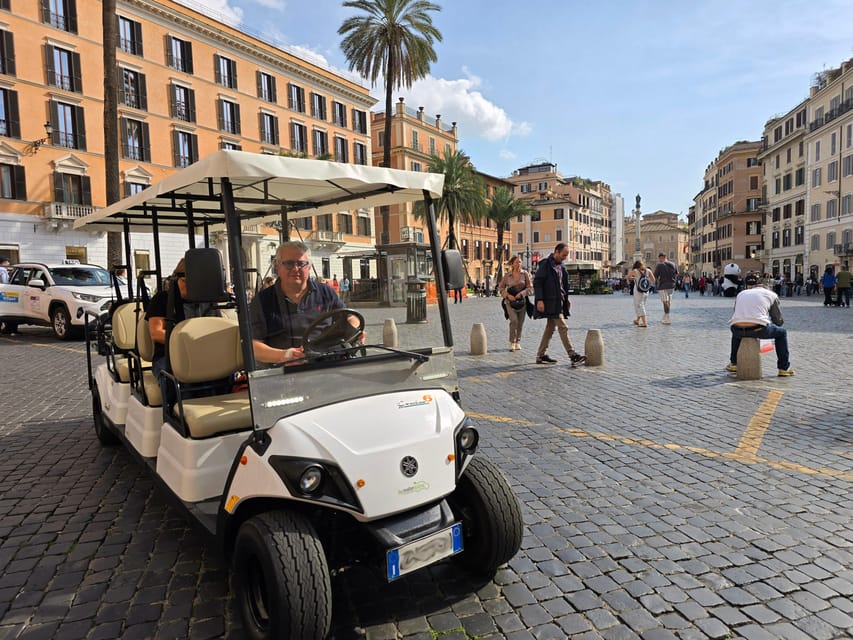
You’ll get pickup within 3 km of the tour starting point area near Piazza del Popolo, and the tour can return you to your hotel. The driver asks that you wait inside your hotel at least 15 minutes before the start time. That small instruction matters: Rome traffic and vehicle logistics can be unpredictable, and being ready helps the whole schedule.
The tour time is 3 hours, with guided stops ranging from 10 to 15 minutes each. Those short windows keep things efficient, but they also mean you won’t get a slow, lingering museum-style pace. You’ll want to go in knowing this is a “see the highlights and get oriented” format.
Also, because it’s a private group, the day is more adjustable than a big bus tour. You can choose itineraries, times, and attractions that match your interests, but the order still follows a practical path through central Rome.
Villa Borghese and the first viewpoint energy
Your first big stop is Villa Borghese for about 15 minutes with a guided overview and sightseeing. This is a strong opener because it helps you start Rome with perspective. You get oriented to the city and settle into the idea that you’ll be moving by vehicle and then pausing often.
If you like views and you’re not trying to force a long sit-down at an attraction, Villa Borghese works well in this format. Just keep in mind that 15 minutes is short. You’re using it to connect the landscape and monuments in your head, not to do a deep exploration.
Via Veneto to Piazza Barberini: elegance with quick stops
Next comes Via Veneto for about 10 minutes. This stretch is famous for its stylish reputation, and even a brief pass helps you recognize the “Rome mood” people talk about.
Then you’ll head to Piazza Barberini for another 10 minutes. This stop is more about the feel of the area than a long checklist. You’re using these short windows to build your mental map: where the streets open up, where the sightlines sit, and how the grand façades relate to nearby squares.
These middle stops are where many people either love the flow or feel rushed. If you’re the type who likes to linger, tell yourself right away you’re here for quick hits and photo moments, not long wander time.
You can also read our reviews of more tours and experiences in Rome
Palazzo del Quirinale: a powerful exterior stop
Palazzo del Quirinale gets about 10 minutes of guided sightseeing. This is one of those Rome stops where you’re likely seeing the building more from the outside than from any interior experience. That’s normal for a short, moving tour.
What makes it worthwhile is context. The guide’s job here is to help you understand why the palace matters and how it fits into Rome’s political and cultural story. Even in a brief stop, that kind of orientation can make everything else you see later feel less random.
Trajan’s Market to the Colosseum: from ancient city blocks to legend
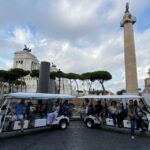
You’ll then visit Trajan’s Market for about 15 minutes. This is a good pivot point: you move from palace-and-square Rome into the more structural, ancient “city in layers” feeling. In this kind of tour, Trajan’s Market is your bridge from monuments to the history of how Rome functioned.
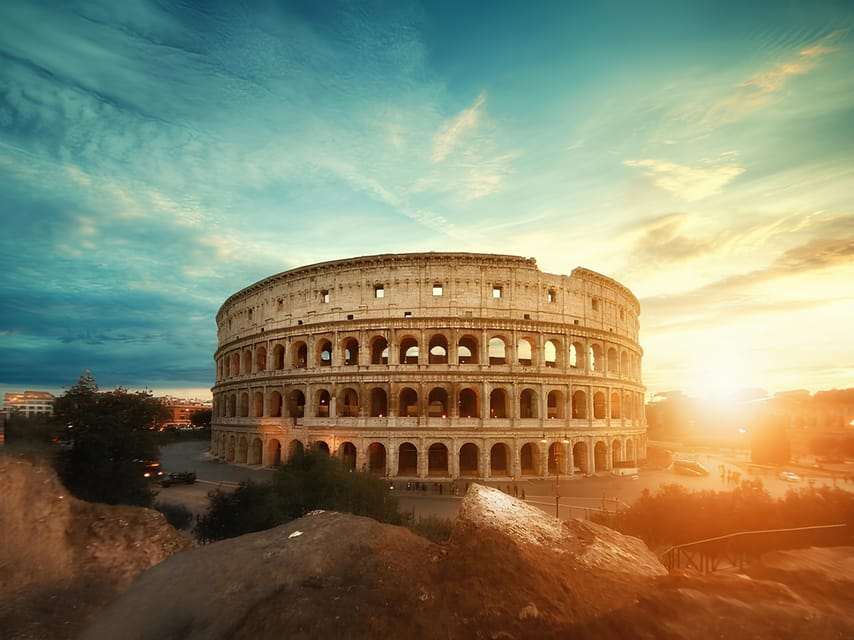
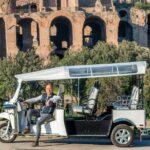
After that, it’s the Colosseum for about 15 minutes with guided sightseeing. The Colosseum is the obvious star, but the real win on a golf cart tour is how quickly you get situated. You’re not scrambling to figure out what side to approach or how to time your walk through crowds. The guide helps you look at it with less confusion and more meaning.
One practical note: 15 minutes can be just enough to register the scale and take a few strong photos, but not enough for a fully detailed appreciation. If the Colosseum is your top priority, bring your patience and plan to focus on the big impressions.
Circus Maximus and the photo-friendly sweep
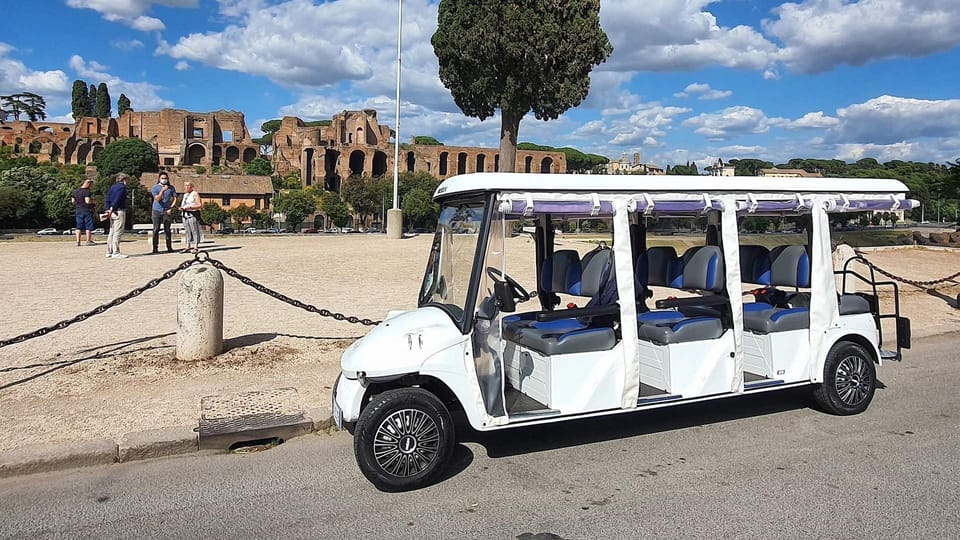
Next is Circus Maximus for about 15 minutes. This stop is especially suited to a cart tour because the setting is broad. Even without long exploration time, you can get a sense of scale and imagining how the area once worked.
This is also a great section to slow down for photos. The pacing of the tour gives you those short pauses intentionally, and Circus Maximus is the kind of place where one good photo can help you remember the rest of the day.
Piazza Navona to the Pantheon: big architecture, controlled time
Then you arrive at Piazza Navona for about 15 minutes. Navona is one of Rome’s classic squares, and even a short guided stop helps you notice what makes the place tick: the layout, the energy, and the way buildings frame the space.
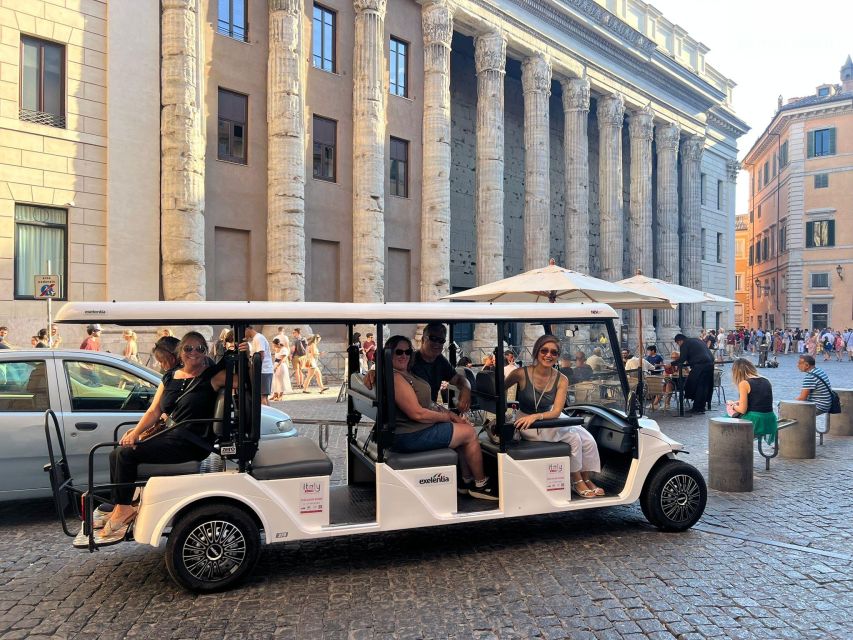
After that, you’ll reach the Pantheon for about 15 minutes. The Pantheon often needs time to sink in, but on this tour, you’re getting a guided snapshot. What you can gain in that limited time is clarity: what you’re seeing, why the design works, and how the Pantheon fits into Rome’s long architectural story.
If you’re the kind of person who always needs a slow look inside, you might wish for more time here. But if you want guided context and a smooth day that hits multiple icons, this stop can still deliver.
Trevi Fountain and gelato to cap the ride
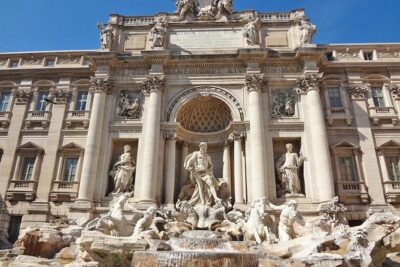
The final major highlight is Trevi Fountain for about 15 minutes. Trevi can be crowded, and that’s exactly why this tour style helps: you’re not spending your whole time trying to navigate in a packed area without a plan. You’ll get a guided orientation and time to take photos.
And then comes the part people remember even more than the marble: gelato. The tour is built around that comfort-food reset after sightseeing. It’s also a nice moment because the guide has a chance to talk with you more casually, ask what you loved most, and sometimes tailor your last moments around what you care about.
This ending combo—Trevi plus gelato—works because it’s both emotional and practical. You get the iconic moment, then you cool down with something simple and Roman.
What the guide experience is like (and why it matters)
This tour is led by a live guide with multiple language options: English, Italian, Spanish, Russian, and French. That’s a real advantage in Rome, where the difference between a random explanation and a clear one can change how much you actually enjoy the day.
I’ve also seen praise for the guide-led flow when the sites are crowded, especially the way the day stays organized and includes gelato with the group. Names like Ricardo and Karoline show up in that kind of feedback, and it’s a hint at what this experience aims to do: keep you moving, keep it understandable, and don’t make you race.
If you need a specific language not listed, ask before you book. And if you want more detail at one stop, tell the guide early so they can adjust within the tour’s short stop times.
Who this private golf cart tour suits best
This is a great fit if you:
- Want less walking and more seeing, especially for central Rome.
- Like a structured route that still allows some customization.
- Travel with a small group and prefer a private setting over crowds.
- Want a smooth day that mixes major landmarks with brief local context.
- Appreciate a guide who keeps the experience practical, with time for photos and gelato.
It’s also friendly for families or groups of friends since the cart is described as seating up to seven passengers. If you’re traveling with older relatives, this style can reduce fatigue because you’re not doing long distance on foot between every stop.
Potential hiccups to plan around
Because this tour depends on a vehicle schedule, anything mechanical or traffic-related can affect the timing. One big lesson for all short Rome tours: plan with flexibility. If you have a hard dinner reservation or another ticket right after, it’s smart to leave a buffer.
There’s also a scheduling sensitivity in any “short stops, many landmarks” day. If you’re hoping for additional specific churches or extras beyond the main route, confirm what’s actually included with your guide. The more you can align your expectations before you start, the less disappointment later.
Language matters too. German isn’t listed among the tour languages, so if you want German, you should ask first. Even when a guide speaks English and you’re comfortable there, the best experience is always when you’re fully comfortable with the language.
Finally, about mobility: the tour info includes wheelchair accessible, but it also states it’s not suitable for wheelchair users. That contradiction is worth resolving directly with the operator before you rely on it.
Should you book this Golf Cart Tour of Rome?
I’d book this tour if your priority is an efficient, guided highlights route with far less walking pressure. It’s especially appealing if you want to hit major Rome landmarks—Colosseum, Pantheon, Trevi—while keeping the day easy to manage and photo-friendly.
I’d hesitate if you need lots of time at a single site, because the plan is built around brief guided stops. And I’d confirm accessibility and language needs up front due to the mixed mobility note and the specific list of available guide languages.
If you’re aiming for a practical, comfort-first Rome day, this is one of the more sensible ways to do it—sit back, take the scenic pauses, and let the guide handle the route through the Eternal City.
FAQ
How long is the Golf Cart Tour of Historic Rome?
The tour lasts 3 hours.
What sights are included on the itinerary?
The tour includes stops at Villa Borghese, Via Veneto, Piazza Barberini, Palazzo del Quirinale, Trajan’s Market, the Colosseum, Circus Maximus, Piazza Navona, the Pantheon, and Trevi Fountain.
Is pickup available, and where does it start from?
Pickup is offered within 3 kilometers of the tour’s starting point (Piazza del Popolo). You should wait inside your hotel at least 15 minutes before the tour start time.
Is this a private tour?
Yes, it’s listed as a private group.
What languages does the live guide speak?
The tour offers live guiding in English, Italian, Spanish, Russian, and French.
Is gelato included?
The experience summary specifies a tour with gelato, so you should expect a gelato stop during the experience.
Is it good for wheelchair users?
The information includes both wheelchair accessible and not suitable for wheelchair users, so you should confirm fit and real-world vehicle access with the provider before booking.