REVIEW · ROME
German Verstecktes Rom im Zentrum
Book on Viator →Operated by Deutsche Römerin · Bookable on Viator
Rome has a second life underground.
This 3-hour, German-language walk helped me see the center with fresh eyes: you get the famous icons like Pantheon and Trevi, but you also follow the city’s hidden layers to places most people never find. Two things I really love are the hands-on storytelling (from sports and everyday Roman life) and the underground stops that make the history feel physical, not just decorative.
The main drawback to consider is simple: this is a lot of ground to cover in a short time, and part of the experience happens underground. If you’re sensitive to enclosed spaces or you want long, slow photo breaks at every stop, you might find the pace a bit tight.
In This Review
- Key things to know before you go
- Entering Roman life at Piazza Navona’s underground stadium
- Pantheon stop: quick look, then the stories that change how you see it
- Chiesa di Sant’Ignazio: the 3D ceiling moment
- Trevi Fountain isn’t just a fountain: follow the water to Vicus Caprarius
- Rinascente Roma Tritone: how a department store fits Rome’s story
- What the guide does with all that time
- Group size, headsets, and why that matters in the center
- Price and value: why $115.12 can make sense
- Who this tour fits best (and who should pick something else)
- Should you book this hidden-Rome German tour?
- FAQ
- FAQ
- Is the tour in German?
- How long is the tour?
- Where does the tour start and where does it end?
- Do I need a printed ticket?
- Is the tour limited to small groups?
- Are entrance tickets included?
- Does the tour run in bad weather?
- Is food or drinks included?
Key things to know before you go
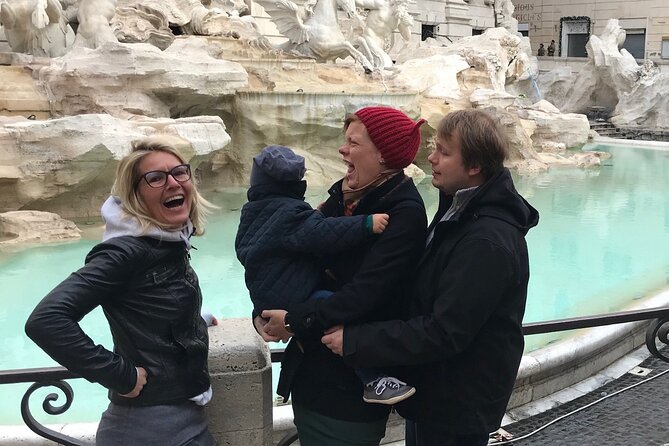
- Underground Rome, not just above-ground photos: Piazza Navona’s underground stadium area and the Trevi water network are the headliners.
- Big landmarks with clear context: You connect what you see at Trevi and the Pantheon to how Roman daily life worked.
- Expect quick hits, then meaningful explanations: Each stop is short, but the guide uses the time to connect the dots.
- German tour with small-group comfort: Maximum 16 people, and you’ll use headsets if the group is over 4.
- Ends at Rinascente: You finish near the Spanish Steps area, which is convenient for your next plan.
- Runs in rain: The tour goes ahead even if weather changes your day.
Entering Roman life at Piazza Navona’s underground stadium
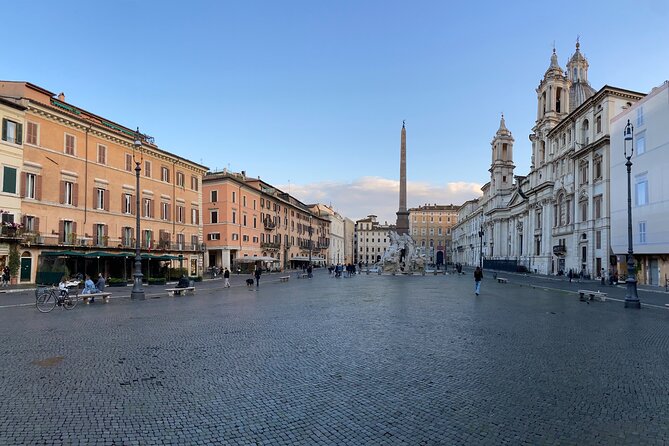
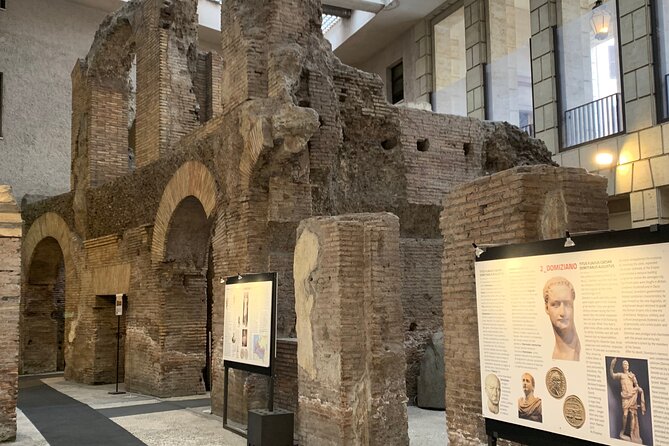
I like tours that start where the city is already talking. Piazza Navona is that kind of place: lively, dramatic, and instantly recognizable, so the guide can get your bearings fast. From there, the tour pivots into something most first-time visitors miss: the underground setting connected with the Piazza’s historical stadium area.
The stop is called Stadion Domitian, and the value here is not only seeing it. It’s understanding what the space used to be for and why Rome built and rebuilt the city instead of treating it like a museum. Even if you’ve seen plenty of Roman ruins elsewhere, being shown hidden layers in the middle of a living square gives the whole center a new logic.
Time matters here. You only spend about 50 minutes at Piazza Navona total, including the underground visit. I’d plan to wear comfortable shoes and go in ready to move.
You can also read our reviews of more tours and experiences in Rome.



Pantheon stop: quick look, then the stories that change how you see it
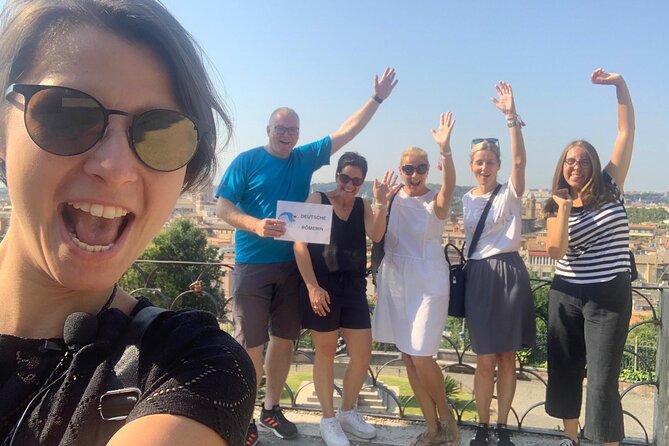
Next comes the Pantheon, and it’s one of those sites where your photos start to look the same—unless you get the context. The guide uses the stop to explain the temple roots and then shift to what it is today, with curious stories about the church that occupies the space.
If you only walk past the Pantheon, you miss how layers of meaning stack over time. On this tour, the guide turns that layering into a practical mental map: what you’re looking at, what it used to mean, and why the building stayed so important through centuries of change.
Admission is listed as free for this stop, which is a nice relief in a tour that already hits a few paid sites. Even with that free access, you’ll still get direction and commentary so the stop doesn’t feel like a random photo break.
Chiesa di Sant’Ignazio: the 3D ceiling moment
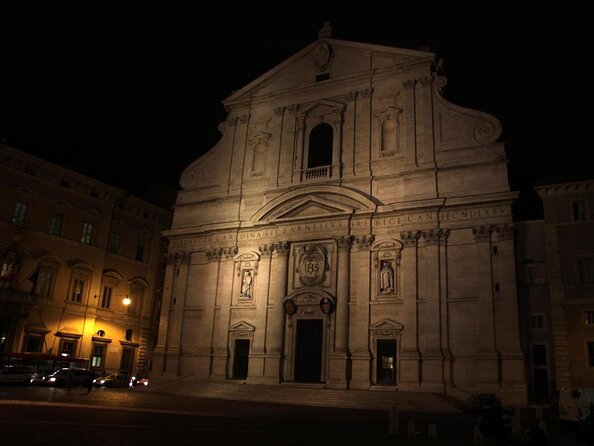
After the Pantheon’s massive interior, you move to Chiesa di Sant’Ignazio di Loyola. The main reason to care is the 3D ceiling painting. You don’t need a long lecture to understand why this works—your brain gets fooled in a good way when light, perspective, and placement all line up.
I like that this stop is short (about 20 minutes). You get the wow factor without turning it into an hour-long museum detour. If you’re doing this tour in the middle of a Rome itinerary full of big-ticket sights, that timing helps.
Admission is listed as free for this stop too. So you’re paying for the guide’s interpretation more than for another ticket line.
Trevi Fountain isn’t just a fountain: follow the water to Vicus Caprarius
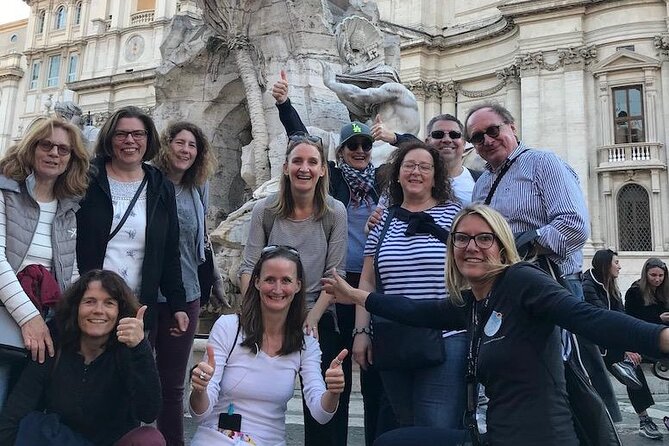
Then you get to the moment everyone comes for: Trevi Fountain. The guide includes the classic tradition of throwing a coin, but the best part is what happens after that. The focus shifts from postcard Trevi to infrastructure: where the water actually comes from and how Rome’s engineering supported the city’s life.
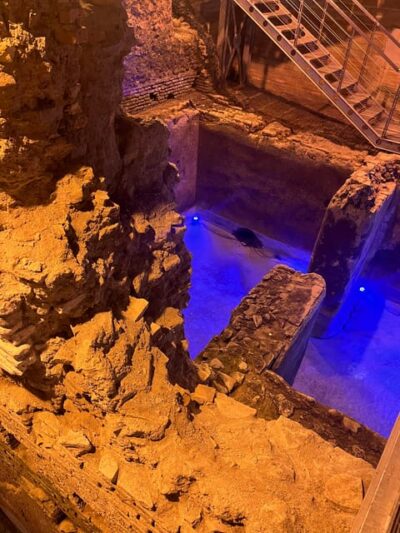
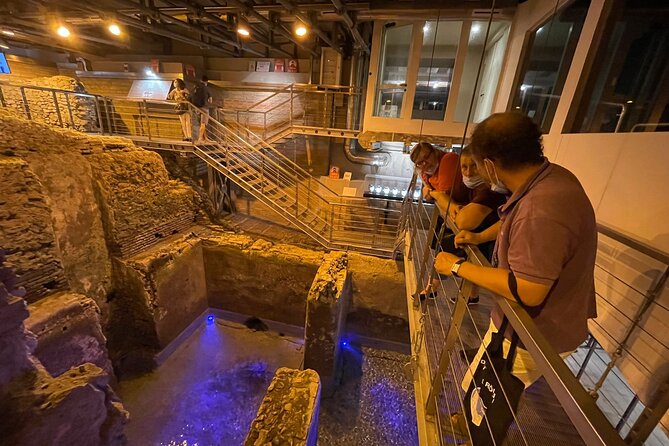
You move to Vicus Caprarius – the City of Water, a visit into the understructures tied to the Trevi water system. This is where the tour earns its name about hidden Rome. Instead of repeating facts you already know from guidebooks, the guide explains the flow of water and why it mattered so much to Roman neighborhoods and public spaces.
This stop is about 30 minutes. It’s enough time to get the story and still keep momentum. Admission is flagged as not included in the stop notes, but the tour details also say entry tickets are included in the tour price. Since the documents don’t align perfectly, I’d treat it like this: confirm what’s covered for Vicus Caprarius when you book, so you don’t get surprised at check-in.
Rinascente Roma Tritone: how a department store fits Rome’s story
The tour ends at Rinascente Rome (Via del Tritone, 61) near the Spanish Steps. That’s a fun twist because it turns a modern shopping landmark into a Roman sightseeing capstone.
The idea is not to turn the day into a mall trip. It’s to show you what’s going on in the store’s lower levels and how Rome keeps reusing space for new purposes. It’s a reminder that the city isn’t stuck in the past; it keeps building on top of itself.
The tour time at Rinascente is about 30 minutes, and the experience includes entry here. If you want a break after the walking and underground time, this is a practical finish point.



What the guide does with all that time
I’ve found the difference between a decent Rome tour and a great one comes down to storytelling style. In this case, the guide-led pacing is a real strength, and it shows in the way different guides are described.
Guides like Mira, Janina, Jutta, and Giancarlo/Donato/Annett are repeatedly praised for vivid explanations and for bringing complex context down to human scale. You hear about Roman life beyond monuments—like the strange-but-interesting angle that sport events were held nude, and other everyday details that make the ancient world feel less like a textbook.
You also get the Aha moments that come from connections: Trevi’s water link to underground structures, Piazza Navona’s layers, and how the Pantheon’s identity shifted over time. The guide isn’t just naming places; they’re helping you see the city as a system.
Group size, headsets, and why that matters in the center
One of my practical checks before booking any Rome walking tour is group size. This one caps at 16 people, and that size makes it easier to keep track of where you are. Even better, you get headsets if the group is larger than 4, which helps when streets get loud and corners get busy.
You’re also starting right in the Piazza Navona area at Fontana dei Quattro Fiumi (Piazza Navona 90, 00186 Rome) and ending near Rinascente. That end location is handy because you’re close to an area where you can easily continue with dinner, shopping, or a next walk toward the Spanish Steps.
The tour uses a mobile ticket, so plan to keep your phone charged and accessible. And yes, it runs in the rain. I’d still bring a compact umbrella or a light rain layer, because wet stone and quick walking are never a great combo without gear.
Price and value: why $115.12 can make sense
At $115.12 per person for about 3 hours, this isn’t the cheapest way to see Rome’s center. But the value math is stronger than it looks because you’re paying for several high-effort components in one bundle: German-language interpretation, underground access experiences, and guided time through multiple major landmarks.
A ticket line can eat your time in Rome. This tour bundles the sights and keeps the narrative connected, so you don’t spend your day hopping between random points with no “why.” That matters most on guided underground stops like the water network and the Piazza Navona underground stadium area, where context is the whole point.
One thing to watch: the stop notes list some admissions as not included. The tour summary says entry tickets are included in the tour price. Because of that mismatch, I’d verify what’s included for the underground venues when you book. If those are covered, you’re getting a good deal. If not, your final cost might creep up.
Who this tour fits best (and who should pick something else)
This is a great choice if you want German commentary and you like Rome’s center beyond the obvious lines. You’ll also enjoy it if you’re curious about how the city works—especially water, engineering, and how spaces transform over time.
It’s also a strong fit for first-timers who already know the names Trevi and the Pantheon, but want something that feels different from a standard highlights walk. The underground elements do the heavy lifting here.
If your priority is purely “stand and stare” slow sightseeing, you might prefer a slower route without underground stops. The tour moves quickly enough that you’ll need to accept short time windows at each location.
Should you book this hidden-Rome German tour?
I’d book it if you want your Rome day to include more than big monuments and long lines. The combination of Pantheon, Sant’Ignazio’s 3D ceiling, Trevi, and the underground sections connected to Stadion Domitian and Vicus Caprarius gives you a full picture of the city as a layered place.
Before you go, do two quick checks:
1) confirm whether the underground admissions are fully covered for your departure, and
2) wear shoes you can walk in comfortably, because you’ll move through several zones in a tight 3-hour window.
FAQ
FAQ
Is the tour in German?
Yes. This is a deutschsprachige (German-language) city tour.
How long is the tour?
It runs for about 3 hours.
Where does the tour start and where does it end?
It starts at Fontana dei Quattro Fiumi in Piazza Navona (Piazza Navona, 90) and ends at Rinascente Rome (Via del Tritone, 61), near the Spanish Steps area.
Do I need a printed ticket?
No. The tour uses a mobile ticket.
Is the tour limited to small groups?
Yes. The tour maximum is 16 travelers. If the group is more than 4 people, headsets are needed.
Are entrance tickets included?
The tour info says entry tickets are included in the tour price. Some stop notes list admissions as not included, so it’s smart to confirm coverage for the specific underground stops when booking.
Does the tour run in bad weather?
Yes. The tour takes place even in rain.
Is food or drinks included?
No. Personal expenses like food and drinks are not included.