REVIEW · ROME
Best of the Vatican in a Day Tour: Museum Sistine Chapel & Church
Book on Viator →Operated by Walking Tours of Italy · Bookable on Viator
A good Vatican day is a timing game. This one uses a private, art-focused route to help you see the major highlights without spending your energy in the worst lines. I especially like the stop order, which builds momentum from secretive Vatican stories to the Sistine Chapel to the scale of St. Peter’s.
Two things I’d pick out right away: the Borgia Apartments story thread (Alexander VI and the controversial family behind him), and the way your guide sets up the Sistine Chapel before you stare at Michelangelo’s ceiling like it’s trying to change your life. The main drawback is simple: this tour can be affected by Jubilee-related closures, and last-minute changes can mean parts of St. Peter’s or the Sistine Chapel may not be accessible.
In This Review
- Key highlights at a glance
- One Smart Way to Hit the Vatican’s Biggest Art Stops
- Private Pickup and Direct Entry: What It Fixes (and What It Can’t)
- Vatican Museums and the Borgia Apartments: Stories in Paint
- What to watch for at this stop
- Sistine Chapel Time: How to Make the Ceiling Work for You
- The practical drawback
- St. Peter’s Basilica: Pietà, Bernini, and the Crypt Below
- If the Basilica is closed
- Saint Peter’s Square: Bernini’s Statues and a Reset Moment
- Dress Code and Jubilee Closures: The Two Things That Decide Your Day
- Price and Value: Is $622.22 Worth It?
- Who This Tour Fits Best (and Who Might Want a Different Plan)
- Should You Book This Vatican Day Tour?
- FAQ
- How long is the tour?
- Do you provide hotel pickup?
- Is this tour private?
- What’s included with admission tickets?
- Is there a dress code?
- What happens if St. Peter’s Basilica or the Sistine Chapel is closed due to Jubilee?
- What language is the tour offered in?
- Is there hotel drop-off included?
Key highlights at a glance
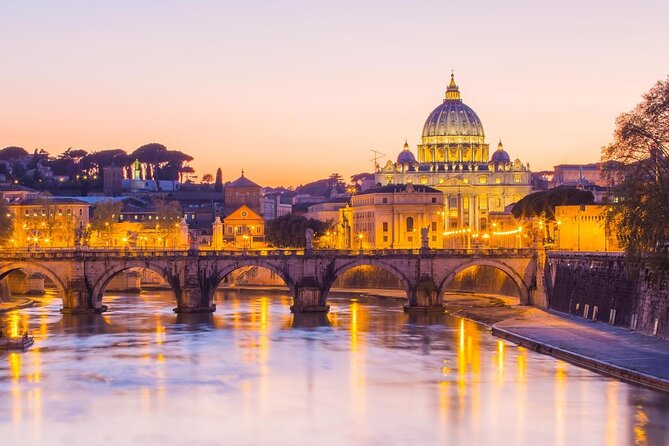
- Borgia Apartments storytelling with Alexander VI and the Borgia family portraits
- Pre-lecture in the Sistine Chapel area, so you know what you’re looking at
- St. Peter’s Basilica with added depth: side chapels plus the papal crypt
- Pietà and Bernini’s St. Peter’s explained with clear art context
- Hotel pickup and private transportation for an easier start in Rome
- St. Peter’s Square visit to round out the day with Bernini’s statues
One Smart Way to Hit the Vatican’s Biggest Art Stops
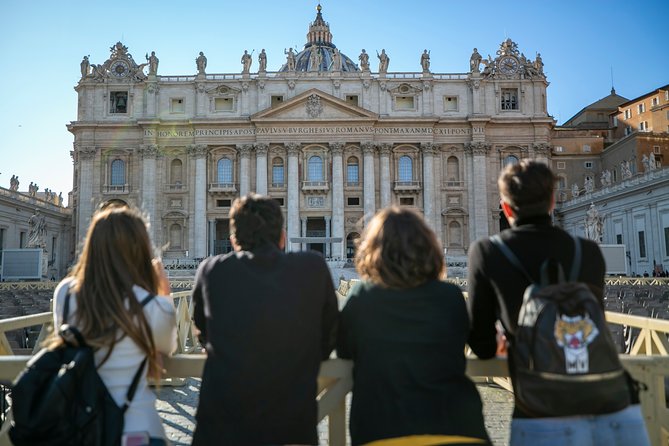
Six hours sounds short, but the Vatican is not a place you can do casually. The value here is structure. You start with the Vatican Museums, then move to the Sistine Chapel, then finish in St. Peter’s Basilica and nearby square. That flow matters because it keeps your attention on themes: power, art, faith, and propaganda, all on display in different forms.
I like that the tour centers on art-historian interpretation, not just a checklist. When your guide explains what you’re seeing before you’re standing under it, the experience becomes more than photos. You’ll notice details you’d likely miss on your own.
The other practical win is logistics. Hotel pickup and private transportation mean you don’t have to solve Rome transit while also fighting Vatican crowds. You get to focus on the sites, not on figuring out where the entrance is.
You can also read our reviews of more museum experiences in Rome



Private Pickup and Direct Entry: What It Fixes (and What It Can’t)
This is set up as a private tour with pickup from your hotel. You meet your guide, then head into the Vatican complex efficiently. The tour description includes guaranteed to skip the long lines, which is a big deal in practice. Even when the Vatican is manageable, waiting around is where the day goes to waste.
Still, there’s one limitation to keep in mind. Jubilee can trigger last-minute closures, and the tour notes that certain areas might be shut even without advance notice, especially the Sistine Chapel and/or St. Peter’s Basilica. If access changes, you’re not left stranded. Your guide will shift the focus inside the Vatican Museums as an alternative, but you should accept that this is a conditional day, not an absolute promise of seeing every single room no matter what.
The best way to think about it: this tour helps you beat the usual friction. It can’t fully override the Vatican’s own security decisions.
Vatican Museums and the Borgia Apartments: Stories in Paint
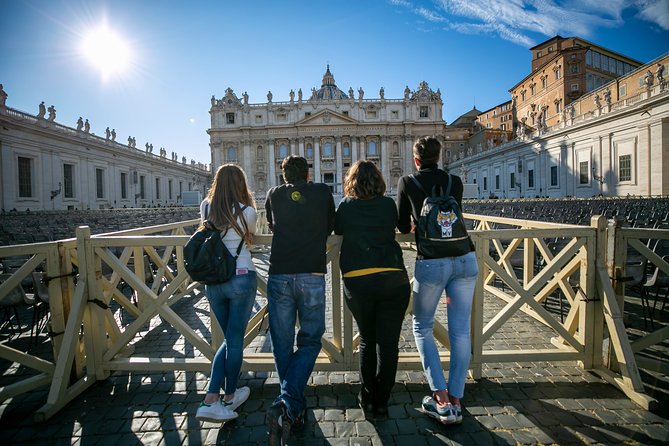
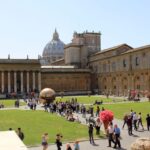
The tour starts at the Vatican Museums with a standout focus: the Borgia Apartments. These rooms connect to one of the most controversial papal figures in Vatican lore: Rodrigo Borgia, who became Pope Alexander VI in the late 15th century.
This is not just about looking at famous faces. Your guide is there to connect the religious art to the politics and personalities behind it. You’ll see family portraits and hear the darker side of the Borgia story, including references to Lucretia and Cesare—named here as part of the pope’s family narrative. The key idea is that symbolism in religious imagery can carry hidden meaning. Your guide helps you see how the paintings’ content functions on more than one level.
One past guide named Tommaso was specifically praised for making the material interesting and fun, not dry or textbook-y. That kind of storytelling is exactly what turns these rooms from “another museum stop” into a dramatic chapter of power history.
What to watch for at this stop
You’ll spend about 4 hours here, with admission included. That’s enough time to see the Borgia Apartments and still get context elsewhere. If you’re the type who likes to linger over details, use your guide’s explanations as a guide for where to look next. If you tend to move fast through museum rooms, slow down a notch. The Borgia Apartments reward patience.
Sistine Chapel Time: How to Make the Ceiling Work for You
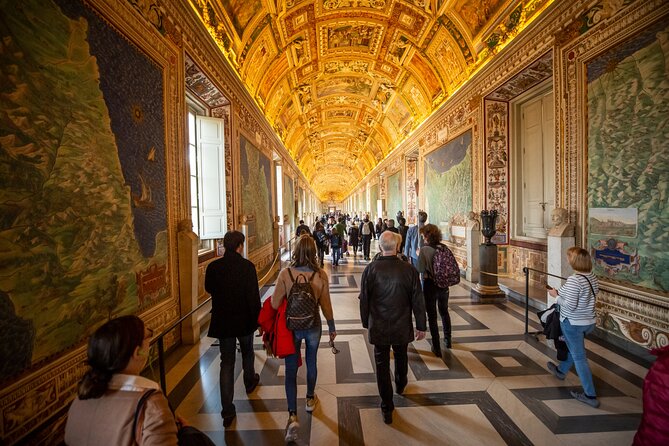
Next comes the Sistine Chapel. The Sistine Chapel is famous enough that it can feel intimidating: you enter and then everything becomes a silent stare. The difference with this tour is that you’re prepared first.
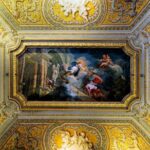
Before you step in, your guide shares the stories behind the frescoes. That matters because Michelangelo’s ceiling and related scenes are packed with meaning. When you understand the significance of what you’re viewing, you don’t just see beauty. You see structure—what’s arranged where, why it’s depicted, and what messages the images are delivering.
Michelangelo spent eight years painting the frescoes, and that kind of commitment shows. With an art-historian guide, you can understand why the chapel became a touchstone for how people talk about art and theology.
One review specifically noted seeing the restored Sistine Chapel, and the restoration element is part of what makes timing important. When the chapel is accessible and open, you’ll want your first look to be supported by context.



The practical drawback
Time is limited. The Sistine Chapel portion is about 1 hour. That’s common for Vatican tours because everyone needs space and the crowds are intense. You’ll get a powerful experience, but if you’re hoping for a slow, lingering contemplative visit, you may find the schedule a bit tight.
St. Peter’s Basilica: Pietà, Bernini, and the Crypt Below
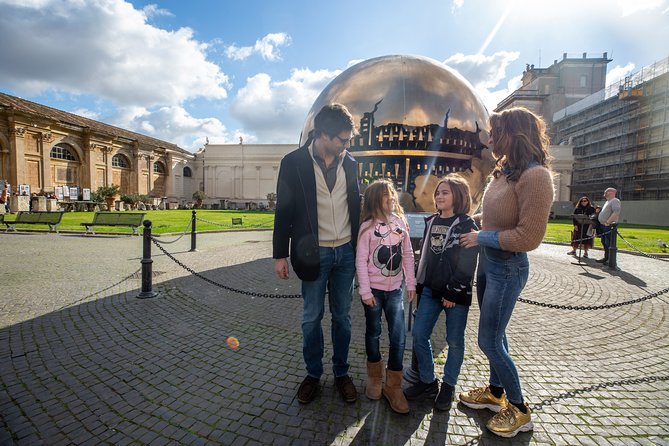
St. Peter’s Basilica is where the tour shifts from big art to big feeling. You explore side chapels and hidden crypt areas with your guide. The tour notes you’ll see Michelangelo’s Pietà, and you’ll also learn why it’s the only work by Michelangelo that he signed. That detail alone is worth the price of admission, because it changes how you relate to the sculpture. You’re not just looking for realism. You’re spotting the artist’s footprint.
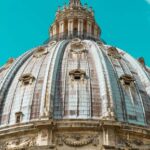
The guide also explains Bernini’s altarpiece and how Michelangelo triumphed over contemporaries for the honor connected to St. Peter’s magnificent dome. This kind of explanation helps you understand the Basilica as a long-running artistic conversation. Different artists. Different centuries. One setting trying to unify them.
Then there’s the below-ground part that many people overlook: the papal crypt. Your guide leads you down to an area where popes have been interred over the centuries. The tour frames it as a site of pilgrimage for many Catholics. Even if you’re not Catholic, the crypt adds weight to the rest of the day. It’s a reminder that the Basilica isn’t only a museum. It’s still a working sacred space.
If the Basilica is closed
This is the part you need to plan around. The tour explicitly warns that because of Jubilee, the Basilica might not be accessible as part of the tour, and access closures can happen last minute—especially at the Sistine Chapel and/or St. Peter’s Basilica. If that happens, you can still visit after the tour, but you’ll be queuing. The tour itself doesn’t offer a refund or reschedule in the event of closure, so mentally budget for flexibility.
Saint Peter’s Square: Bernini’s Statues and a Reset Moment
After the Basilica, you step out to St. Peter’s Square for about 30 minutes. This is the moment to breathe. Indoors you’ve got heights, stone, and artworks that pull you upward. Outdoors, you get a more open sense of the space.
Your guide points you toward Bernini’s magnificent statues that surround the square. You’ll have a better sense of how the Vatican’s grandeur is designed to guide your movement and sightlines. It’s also a nice reset if your feet are tired. Rome is rough on shoes, and a short square stop helps keep the day enjoyable instead of exhausting.
Dress Code and Jubilee Closures: The Two Things That Decide Your Day
Dress code is non-negotiable. The tour notes you must cover knees and shoulders. That means no shorts or sleeveless tops for both men and women. If you show up dressed casually, you risk being refused entry. I strongly recommend dressing for the rule even if you’re only thinking about the Basilica side. The Vatican Museum spaces can enforce the same standard during your visit.
Now for Jubilee. This is not a normal season visit. The tour warns that parts of the Basilica might not be accessible and that some areas can close last minute without previous notice. In case of closures, the tour says it does not refund or reschedule. Your guide provides a valuable alternative focusing on the Vatican Museums.
So how do you protect yourself?
- Bring clothing that meets the code with room to move.
- Plan your expectations: you’re buying an experience with a great guide and smart pacing, not a guarantee of every room no matter what.
- If you really care about St. Peter’s or the Sistine Chapel, keep a backup plan to visit later and accept the lines.
Price and Value: Is $622.22 Worth It?
At $622.22 per person for an about 6-hour private experience, this is not budget Vatican travel. But it can be good value depending on what you want from the day.
Here’s what you’re paying for:
- Hotel pickup and private transportation (less stress, less navigation)
- A professional art-historian guide who explains what you’re seeing
- Admission tickets included for major segments (Vatican Museums/Borgia Apartments, Sistine Chapel, and St. Peter’s Basilica with underground areas)
- A schedule that compresses three major heavy-hitters into one coherent visit
If you’re the type who gets more from guided interpretation than from wandering, this price starts to make sense. The guide work is doing real work. You’re not just buying access; you’re buying understanding.
If your priority is maximum freedom and minimum cost, you might prefer buying tickets and building a loose plan. But in a place where timing and context matter, a private guide can save you from feeling like you’re speed-walking through masterpieces with no idea what you’re looking at.
Who This Tour Fits Best (and Who Might Want a Different Plan)
This tour fits well if you want:
- A structured Vatican day that hits Vatican Museums, Sistine Chapel, and St. Peter’s Basilica
- Clear explanation, including specific art details like the signed Pietà
- Comfort and reduced hassle from hotel pickup
It may be less ideal if:
- You need guaranteed access during Jubilee regardless of closures
- You hate tightly timed visits and want hours of free wandering
- You prefer DIY and are comfortable reading your way through the art without a guide
Language is listed as English, so if you want a different language, you’ll need another option.
Should You Book This Vatican Day Tour?
I’d book it if your travel style is guided, art-forward, and you want a day that feels organized instead of chaotic. The strongest reason is the mix of content and context: Borgia Apartments storytelling, a guide-led approach to the Sistine Chapel, and a Basilica visit that includes the crypt and specific art explanations.
I’d hesitate only if Jubilee timing would make you furious about last-minute closures. The tour warns you in advance, and it’s honest about what happens next. If you can be flexible—and dress properly—you’re set up for a very satisfying Rome highlight day.
If you book, do one thing to improve your odds: come dressed for the rules and come ready to listen. This tour works best when you let the guide talk you into noticing what you came to see.
FAQ
How long is the tour?
It runs for about 6 hours.
Do you provide hotel pickup?
Yes. You can leave your hotel name and address, and the pickup is arranged from there.
Is this tour private?
Yes. It’s a private tour, and only your group participates.
What’s included with admission tickets?
Admission tickets are included for the Vatican Museums (including the Borgia Apartments), the Sistine Chapel, and St. Peter’s Basilica (including time below ground to the papal crypt).
Is there a dress code?
Yes. You must cover knees and shoulders. No shorts or sleeveless tops are allowed for both men and women.
What happens if St. Peter’s Basilica or the Sistine Chapel is closed due to Jubilee?
The tour notes that some areas might close last minute without notice. If that happens, the tour does not refund or reschedule, and your guide provides an alternative focused on the Vatican Museums. You can also try visiting the closed areas after the tour by queuing.
What language is the tour offered in?
The tour is offered in English.
Is there hotel drop-off included?
No. Drop-off to the hotel is not included.