REVIEW · ROME
Rome: St. Peter’s Basilica, Dome, and Vatican Grottoes Tour
Book on GetYourGuide →Operated by Best In Rome Tour · Bookable on GetYourGuide
St. Peter’s feels bigger than life. This guided walk turns the basilica into a story you can follow, with Dome views that make Rome look newly designed and a guide who explains the art like you’re in the studio. I especially like the combination of eye-candy details (marble, ceilings, mosaics) and “wait, look there” moments that help the space click. One catch: you’ll still go through security, and in bad weather the dome climb may not be possible.
What I like next is the pacing. You get the key basilica stops, then head underground to see the Papal Grottoes, including frescoes and burial spaces tied to centuries of popes and royalty. It’s also a practical small-group style experience (private or small groups), with headsets so you don’t lose the thread when crowds surge.
Value-wise, the price is hard to ignore for what’s included: a local guide, entry tickets for St. Peter’s sights, and often dome access by elevator depending on the option you pick. The main consideration is logistics at peak times: lines can run long, and you also have a strict dress code (covered knees and shoulders).
In This Review
- Key highlights worth planning around
- Enter St. Peter’s Square: Bernini’s architecture games and the ancient obelisk
- Inside St. Peter’s Basilica: marble, ceilings, and the stops you’ll remember
- Vatican Grottoes under the altar: 11th-century burials and ancient frescoes
- Climbing the St. Peter’s Dome: timing, views, and mosaic details
- How the tour runs (and why lines shape your experience)
- Price and value: what $35 includes, and what you’re not paying for
- Guide style and storytelling: what stood out from Karen, Kelly, Nabil, and Valery
- Dress code and practical rules that can stop you before you start
- Should you book this St. Peter’s Basilica dome and grottoes tour?
- FAQ
- How long is the St. Peter’s Basilica dome and Vatican grottoes tour?
- Is the dome climb included?
- Are tickets to the Vatican Museums and Sistine Chapel included?
- What’s included in the tour price?
- Will I still wait in security lines?
- How long is the line to climb the dome?
- What should I wear?
- Who is this tour not suitable for?
Key highlights worth planning around
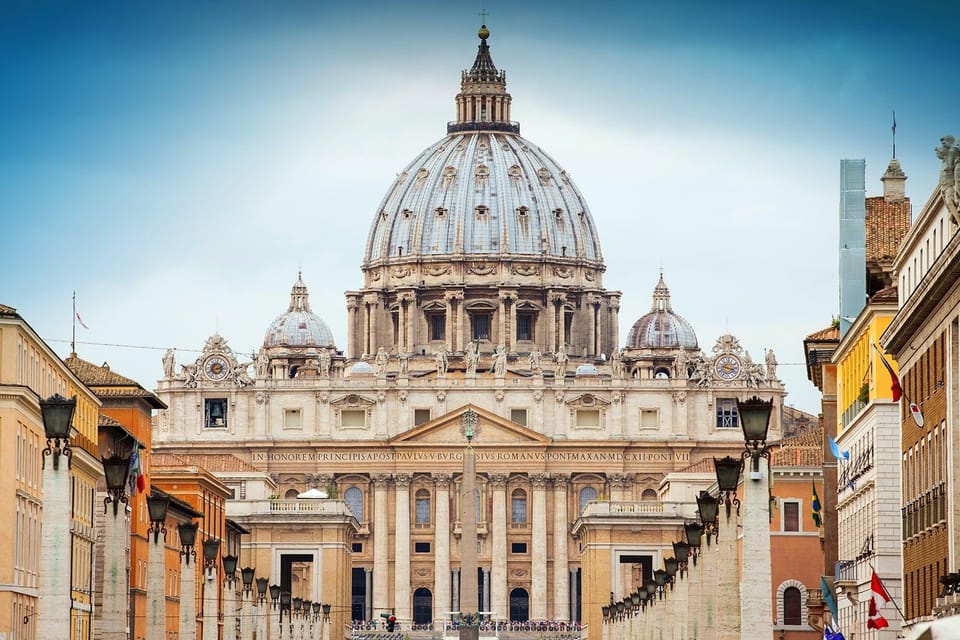
- St. Peter’s Square orientation with Bernini’s visual tricks, plus the Egypt obelisk (over 2,550 years old)
- Basilica art you can spot fast, from the Papal Altar under Bernini’s Baldachin to Michelangelo’s Pietà
- Vatican Grottoes (crypt level) under the basilica, tied to burials since the 11th century
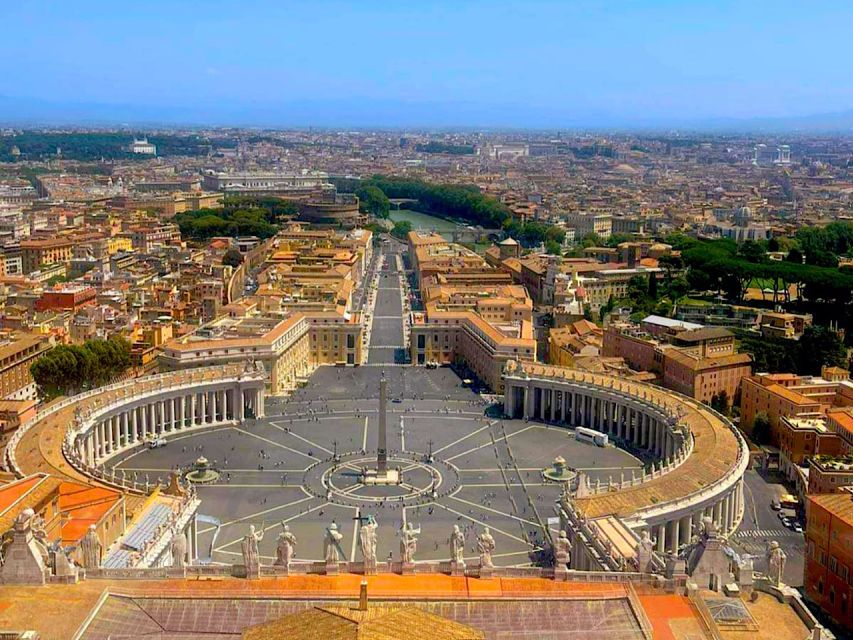
- Dome climb for 360° views, with Vatican gardens below and mosaic details up close
- Headsets for clarity, so you can hear stories even when the crowd thickens
Enter St. Peter’s Square: Bernini’s architecture games and the ancient obelisk
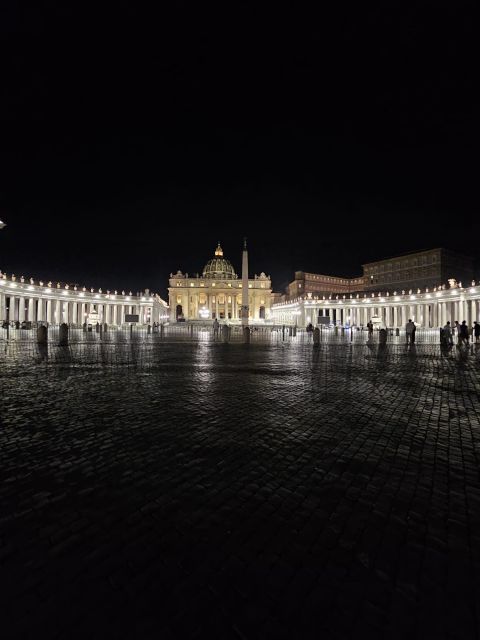
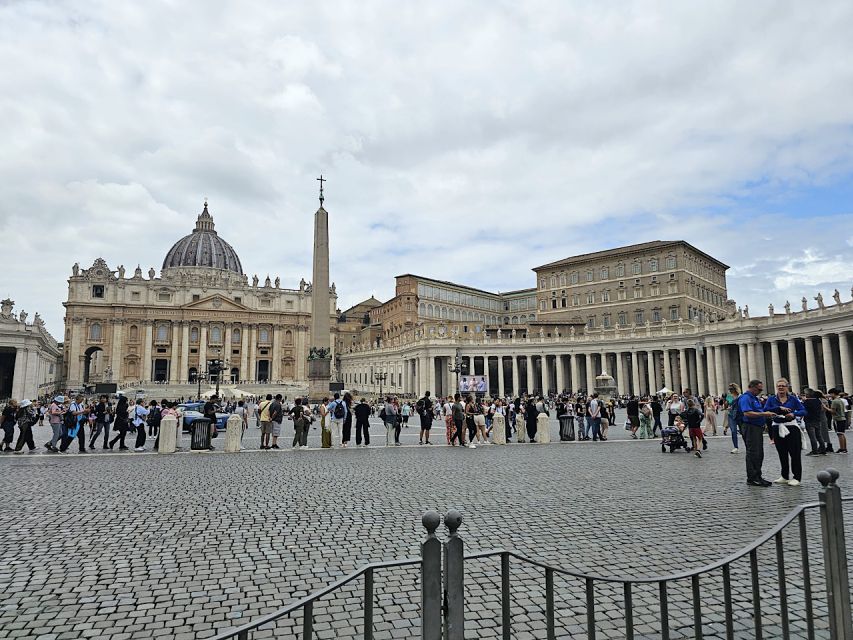
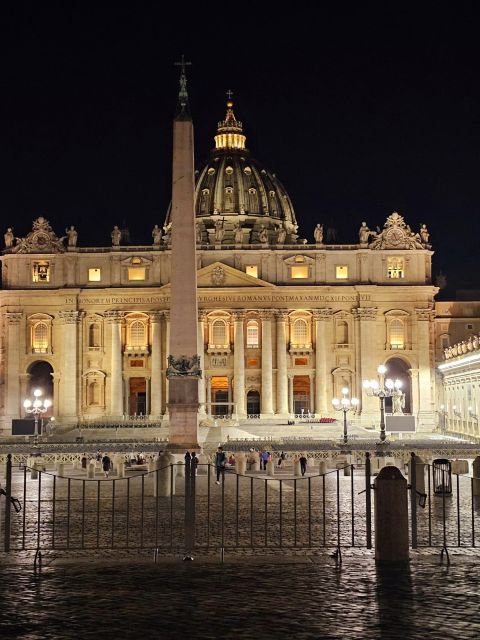
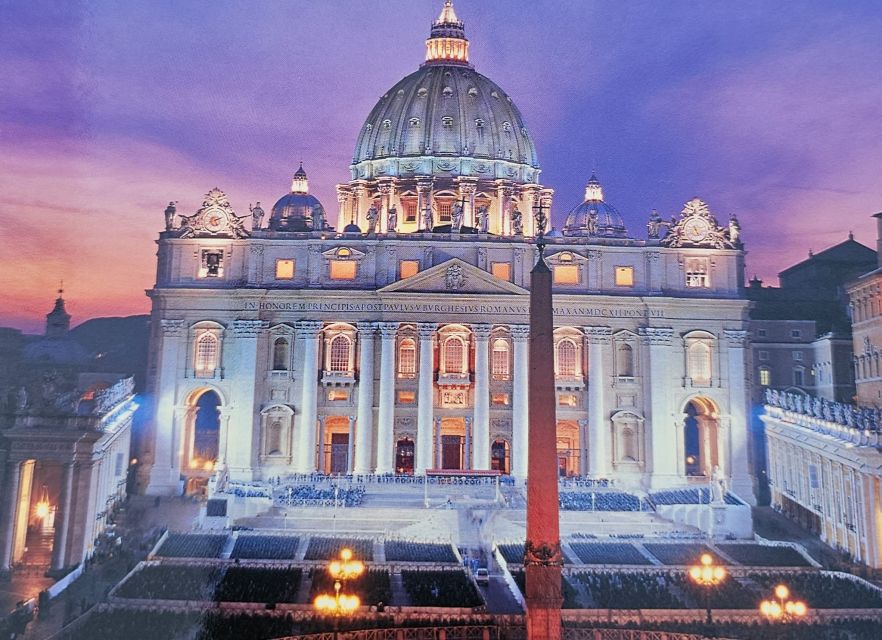
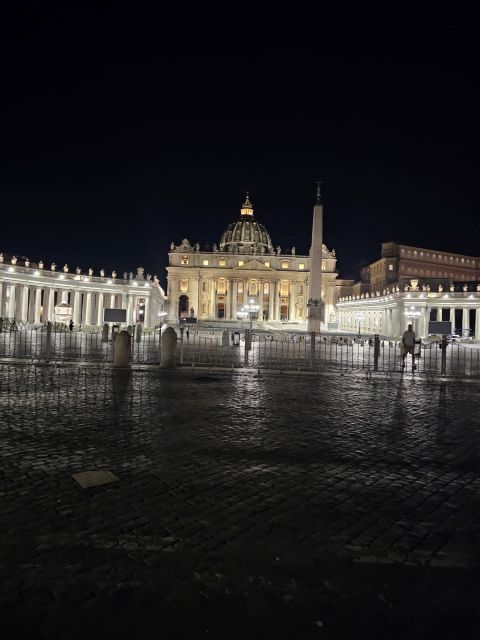
Your tour starts in St. Peter’s Square, and that first step matters more than most people expect. The square is so massive that it can feel like you’re just waiting to “go in.” Here, the guide helps you get your bearings quickly by pointing out what the designers wanted you to notice from specific spots.
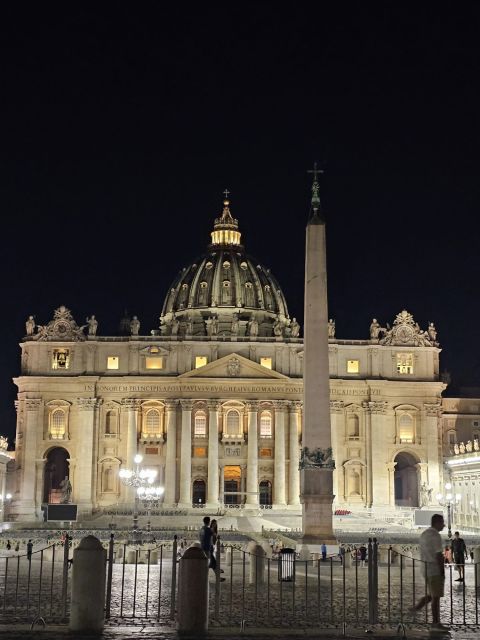
You’ll take in the grand geometry and scale, including the central obelisk imported from Egypt that’s over 2,550 years old. It’s one of those objects that sounds like a trivia fact until you’re actually looking up at it and realizing how long the story of this place stretches.
A big theme is Bernini’s visual effects. The guide shows you how the building “plays” with sightlines, and you’ll be asked to find two special spots in the square where the perspective shifts. That’s not just clever theater. Once you understand the trick, the basilica experience inside makes more sense, because you start seeing the space as a designed sequence rather than a random pile of monuments.
You can also read our reviews of more tours and experiences in Rome.



Inside St. Peter’s Basilica: marble, ceilings, and the stops you’ll remember
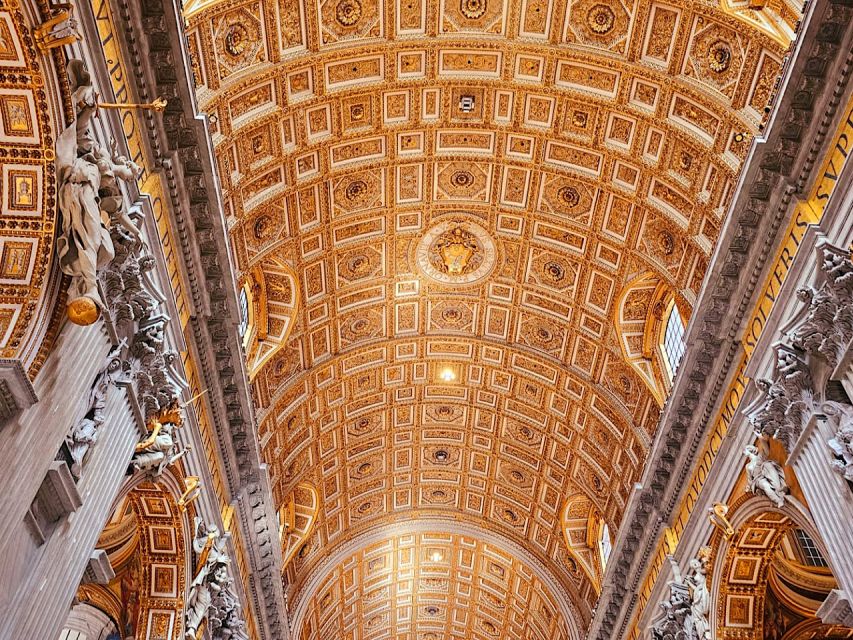
After the square, you enter the basilica and walk straight into the kind of visual overload that’s hard to capture on photos. The guide keeps it manageable by moving you to the core highlights instead of letting you wander until your feet and attention both give up.
One of the best parts is how quickly you can start recognizing the materials and design choices. You’ll step across colorful marbles and notice how the floors and walls “lead” your eye upward. The ceilings are covered in gold, but the guide also helps you understand what you’re seeing so it feels less like decoration and more like a deliberate message.
Two anchors you’ll want your eyes on:
- The Papal Altar under Bernini’s Baldachin: you’ll be directed to the spot that draws attention down to the center of the basilica’s main focus.
- Michelangelo’s Pietà: the famous sculpture is the one that can make you stop talking for a minute. With a guide narrating what you’re looking at, it turns from famous-to-you into meaningful-to-you.
The tour is built around main highlights, so you’ll move from one “how did they do that” moment to the next without feeling lost. This is also where having a local guide who functions as an art historian pays off. The best tours don’t just list titles. They teach you what to look for and why it mattered at the time.
Vatican Grottoes under the altar: 11th-century burials and ancient frescoes
Then comes a different kind of awe: going underground. The Papal Grottoes are the vast crypt under St. Peter’s Basilica, set about 3 meters below the basilica’s level. The location is right under the great altar area, which gives you a cool cause-and-effect feeling. You see the center above, then you drop below to where history literally sits beneath your feet.
This part is especially satisfying if you like layered places: living worship space above, and burial ground below. You’ll see where hundreds of popes and members of royalty have been buried since the 11th century. Even if you don’t come in with a detailed timeline, the guide frames it so it clicks: it’s a place where power, faith, and legacy overlap.
You’ll also encounter ancient frescoes. Underground frescoes don’t work the same way as bright wall art; the guide helps you read the visuals in the gloomier setting, which is exactly what makes it memorable. The grottoes are also a strong contrast to the basilica’s gold-and-marble sparkle, so your brain gets a reset between the two.
Climbing the St. Peter’s Dome: timing, views, and mosaic details
The dome is the big ticket item for a reason. From the highest point, you get panoramic views over Rome, including the Vatican gardens below. It’s the kind of view that changes your sense of scale—Rome feels bigger when you can see it from above like a map drawn by hand.
You’ll go up to the dome as part of the tour, and the best option includes entry tickets to the dome by elevator. Even with an elevator, you should expect that you’ll still spend time in line and then do the climb portion.
Here’s the practical truth: there can be a wait to climb to the dome, ranging from about 5 to 70 minutes depending on the day and crowd levels. On top of that, you’ll also wait in the security line like an airport process. During high season, security can take 10 to 120 minutes. So build your day with patience and shoes that forgive a slow shuffle.
Mosaics are another payoff. The guide aims you toward close-up dome mosaic details designed by Michelangelo, plus a 360-degree view over the marble floors. It’s not just “look out.” It’s also “look up,” and then back down again to connect the geometry.
Weather matters too. If conditions are bad, it might not be possible to climb the dome. In that case, you can ask for a partial refund.
How the tour runs (and why lines shape your experience)
This tour typically runs from 80 minutes up to 2.5 hours, depending on timing and the day’s pace. That range isn’t fluff. It’s your clue that you’re not only buying art and architecture—you’re buying time management inside one of the busiest religious sites on earth.
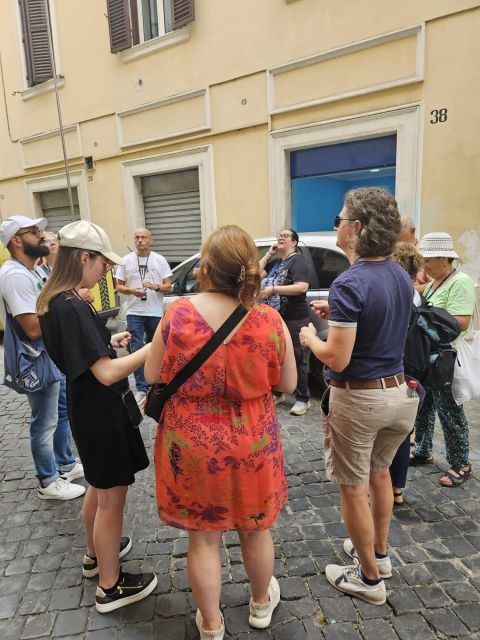
The group experience is supported by headsets, which is a big deal inside noisy crowds. It keeps the guide’s explanations clear so you don’t end up reading signage while trying to catch up with the group. Private or small groups are available too, which often helps with flow and question time.
You should also know what is not included. The tour covers St. Peter’s Basilica, the dome, and Vatican grottoes. Entry to the Vatican Museums and the Sistine Chapel is not part of this specific experience, so you’ll need a separate plan if those are your must-dos.
And yes, closures can happen. St. Peter’s Basilica is subject to unforeseen closures due to Vatican affairs. If that occurs, the operator will reschedule. If the underground is closed, you’ll spend extra time in the basilica and St. Peter’s Square.






Price and value: what $35 includes, and what you’re not paying for
At $35 per person, the value mostly comes from what you’re not stuck doing alone. This includes a tour guide, tour coverage of St. Peter’s Basilica, and entry tickets to dome access (depending on option). Headsets are included, and you’re guided through the highlights instead of spending energy figuring out what matters most.
But you should also read the fine print the right way. Even if a skip-the-line option is advertised, the practical reality is that everyone still passes through a security check line like an airport. That means the “fast entry” feeling is never guaranteed the way it is with smaller attractions.
So who gets the best value? People who want:
- guided interpretation of big, famous works,
- access to the dome experience,
- and the grottoes component without piecing together multiple visits.
If your goal is purely to see the dome and walk around solo, you might find other ways to do it. If your goal is to understand what you’re looking at while managing lines as efficiently as possible, this tour’s structure earns its keep.
Guide style and storytelling: what stood out from Karen, Kelly, Nabil, and Valery
The biggest theme across the guide feedback is storytelling with structure. Guides such as Karen and Kelly are praised for turning the basilica and its history into a guided sequence that feels personal. One recurring pattern in the comments is how guides balance humor with details, and how they point out specific features people often miss.
Some names mentioned with strong praise include Ana, Valery, Karen, Kelly, Nabil, Tara Washington, and Valentino. Different guides, same idea: you leave with more than a checklist. You leave knowing what you saw and why it matters in the broader story of the Vatican.
If you like asking questions, this is also the kind of tour where your curiosity tends to get rewarded. Several guides are described as patient and interactive, which is helpful when crowds compress the room and you want answers in real time.
Dress code and practical rules that can stop you before you start
This is important because it can ruin the first 10 minutes if you’re not ready. You’ll need to meet the basilica dress rules:
- knees and shoulders must be covered
- no shorts
- no short skirts
- no sleeveless shirts
You should also plan for comfortable shoes. This is a lot of walking plus time standing in lines, so anything that hurts your feet will hurt your whole day.
The tour also isn’t suitable for everyone. It’s not suitable for wheelchair users, people with vertigo, children under 2 years, and people over 70 years, based on the activity’s restrictions. If you fall into any of those categories, you’ll want to choose a different style of Vatican visit.
Should you book this St. Peter’s Basilica dome and grottoes tour?
Yes, if you want a focused St. Peter’s experience with built-in structure: square orientation, basilica highlights, the grottoes underfoot, and a dome climb with skyline views. The guide-first approach is the real value, especially when you’re dealing with crowds and long lines.
Skip it (or at least swap your expectations) if you’re trying to cover the Vatican Museums or Sistine Chapel in the same outing, because those are not included. Also think twice if the idea of stairs or heights is a problem, since it’s not a good fit for vertigo and the climb involves waiting and elevation.
If you book, do one thing that pays off immediately: wear the right clothing and give yourself time. With that, this tour can turn St. Peter’s from a famous stop into a place you actually understand.
FAQ
How long is the St. Peter’s Basilica dome and Vatican grottoes tour?
It runs from about 80 minutes up to 2.5 hours, depending on the starting time and on-site flow.
Is the dome climb included?
Yes, the tour includes going up into the dome area. You can also choose an option that includes entry to the dome by elevator.
Are tickets to the Vatican Museums and Sistine Chapel included?
No. The Vatican Museums and Sistine Chapel are not included in this tour.
What’s included in the tour price?
Included items are a tour guide, a St. Peter’s Basilica tour, headsets, and dome entry tickets depending on the option you select.
Will I still wait in security lines?
Yes. You must pass through a security check line like an airport. The wait time can range from 10 to 120 minutes during high season.
How long is the line to climb the dome?
The wait time to climb to the dome can range from about 5 to 70 minutes.
What should I wear?
You’ll need knees and shoulders covered. Shorts, short skirts, and sleeveless shirts are not allowed.
Who is this tour not suitable for?
It’s not suitable for wheelchair users, people with vertigo, children under 2 years, and people over 70 years.