REVIEW · ROME
Rome: See Behind-The-Scenes In The Vatican
Book on GetYourGuide →Operated by Gaudium Travel · Bookable on GetYourGuide
Skip lines, then hit Vatican highlights. I like the priority access that helps you avoid the worst of the entrance queues, and I like the visual clues your guide uses to make the artwork easier to follow. One thing to note up front: this tour does not include entry into St. Peter’s Basilica, so you’ll need a separate plan for that.
This is a tight, smart 2-hour visit built for people who want the big Vatican moments without losing half the day to moving through crowds and paperwork. After a security check, you’re guided through the Vatican Museums’ key sights and then into the Sistine Chapel before the next wave of visitors.
In This Review
- Key things to know before you go
- Why skip-the-line priority access matters in the Vatican
- Meeting at Via Germanico 67: timing and how to find the office
- Security check and the start of your Vatican Museums route
- Vatican Museums in 90 minutes: seeing the big themes without the overload
- Ancient Rome masterpieces: how the guide keeps them understandable
- Sistine Chapel in a small-group rhythm: Michelangelo and Conclave context
- The end point: you’ll finish near St. Peter’s Square (without Basilica entry)
- Small-group or private touring: why group size affects the whole day
- Price and value: is $122.99 worth it?
- Dress code, comfort, and the practical stuff that saves your day
- Who this Vatican Museums and Sistine Chapel tour fits best
- Should you book this Vatican experience?
- FAQ
- How long is the tour?
- Does this tour include St. Peter’s Basilica?
- What’s included in the ticket price?
- How does the skip-the-line part work?
- How much time should I plan for security?
- What are the dress code rules?
- What should I bring for comfort?
- Is this a private or small-group tour?
- Is it suitable for wheelchair users or mobility issues?
- Can I get a refund if my plans change?
Key things to know before you go
- Fast entry via a separate entrance to cut the main line wait
- Small-group pace that keeps you moving without feeling rushed every minute
- Sistine Chapel focus with time to reflect, not just point-and-stare
- Conclave context explained in the same space where it’s associated with papal elections
- Clear limits: no St. Peter’s Basilica access on this itinerary
- Practical dress rules (shoulders and knees covered) to avoid last-minute problems
Why skip-the-line priority access matters in the Vatican
The Vatican Museums are famous for one problem: lines. Even when you’re excited, you can end up spending your energy inching forward instead of looking at art. This tour tackles that with skip-the-line entry through a separate entrance, so you start seeing collections sooner rather than later.
The other benefit is mental. When you’re not constantly checking your watch, you actually notice details—names, symbols, and themes that connect different rooms. The guides on this route tend to use visual prompts so you understand what you’re looking at, not just what it’s called.
You can also read our reviews of more tours and experiences in Rome.



Meeting at Via Germanico 67: timing and how to find the office
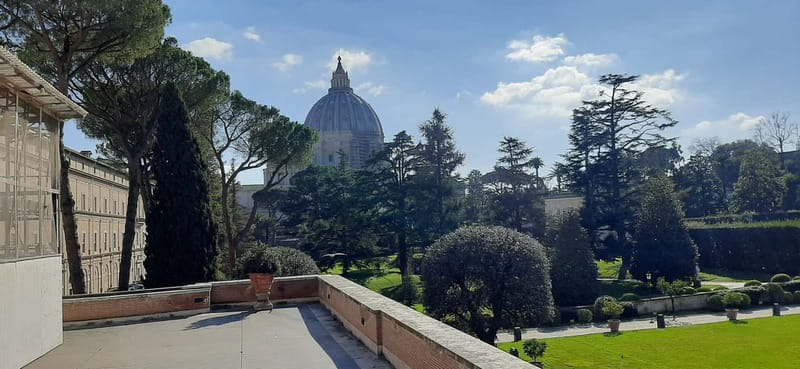
Your day starts at the Gaudium Travel office at Via Germanico 67. Plan to arrive 15 minutes early. That buffer matters because the start time is fixed, and the Vatican area can slow you down with street traffic and crowds.
A small but useful practical tip: one guide meetup point is easy to miss because it’s at the door near an ATM machine. If you show up early, you’ll have time to orient yourself without stress. Then you’ll head toward the museum security flow with your group.
Security check and the start of your Vatican Museums route
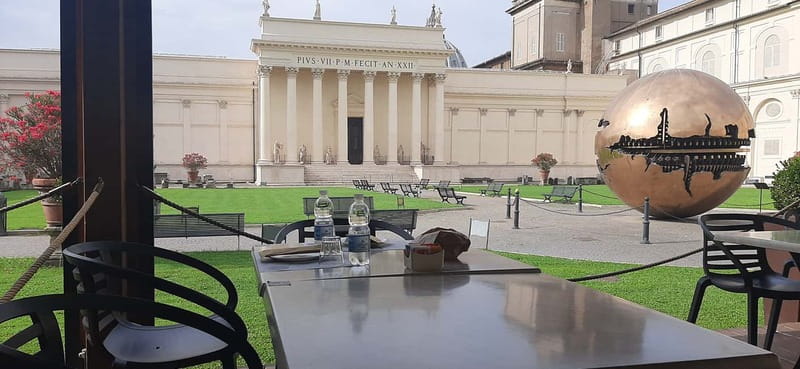
Even with priority access, you still need to pass through security. The tour notes that it can take about 20 minutes to clear. I treat that as a good reason to arrive early, because you don’t want to feel rushed at the checkpoint stage.
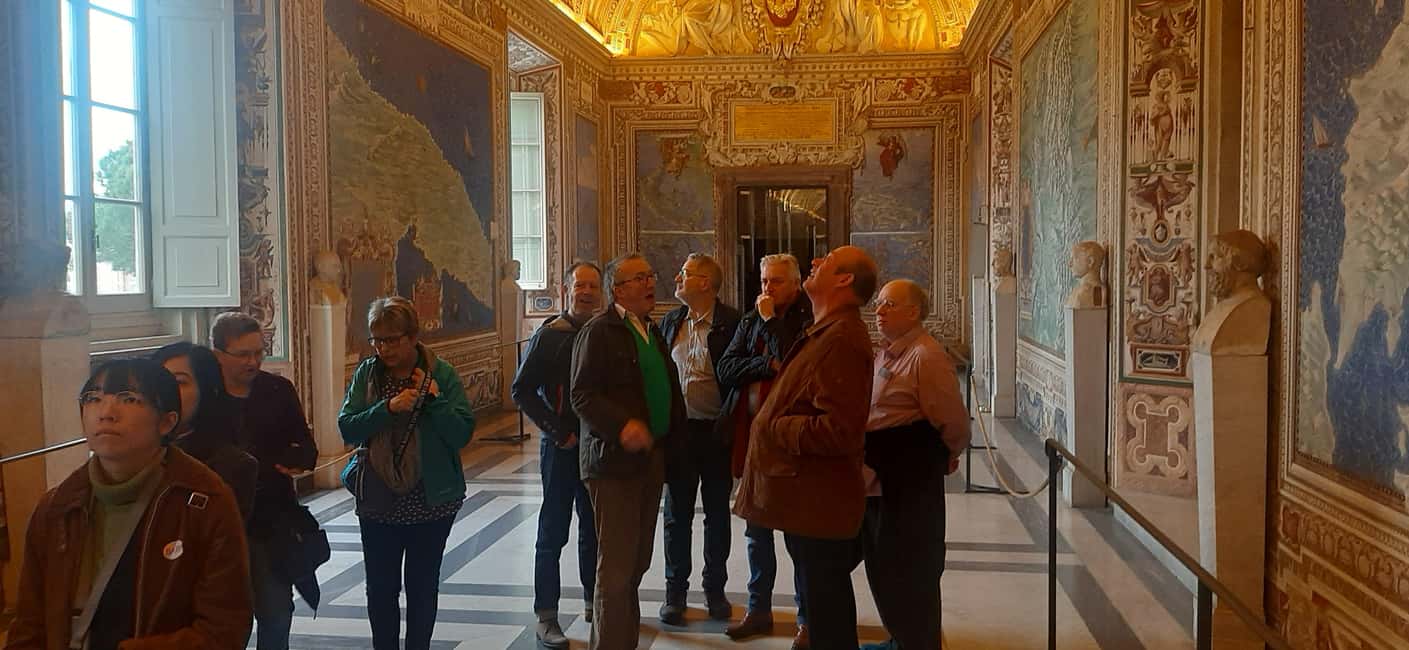
Once you’re through, your guide takes over and leads you into the museum galleries. Expect an efficient walking plan that’s built around the Vatican’s most recognizable and meaningful stops. This isn’t a “wander and hope” approach. It’s a guided path through selected highlights, with explanations you can actually use while you’re standing there.
Vatican Museums in 90 minutes: seeing the big themes without the overload
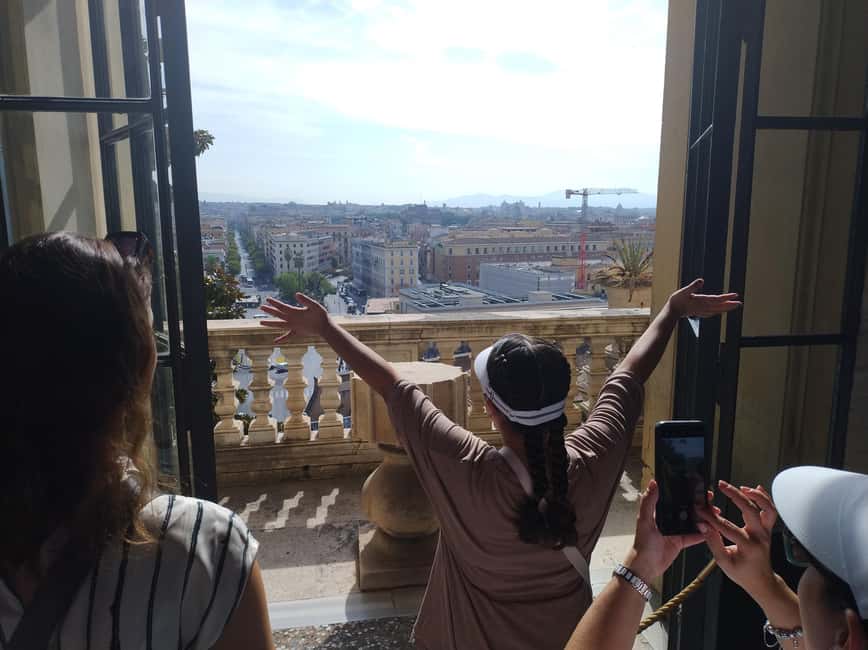
The Vatican Museums portion is about 1.5 hours of guided time. That sounds short because the Vatican Museums are enormous, but the value here is that you’re not trying to “do everything.” You’re learning how to recognize what matters.
Your guide highlights collections built by popes over centuries. That means you’re not just seeing random masterpieces—you’re understanding why certain works ended up here and how power, faith, and politics show up through art.
You’ll also get help spotting connections. Some guides keep it light and funny, then turn around and point out the symbolism you’d miss if you were alone. People often say the balance feels right: enough detail to make the art meaningful, not so much information that it turns into a lecture you can’t absorb while moving.
Ancient Rome masterpieces: how the guide keeps them understandable
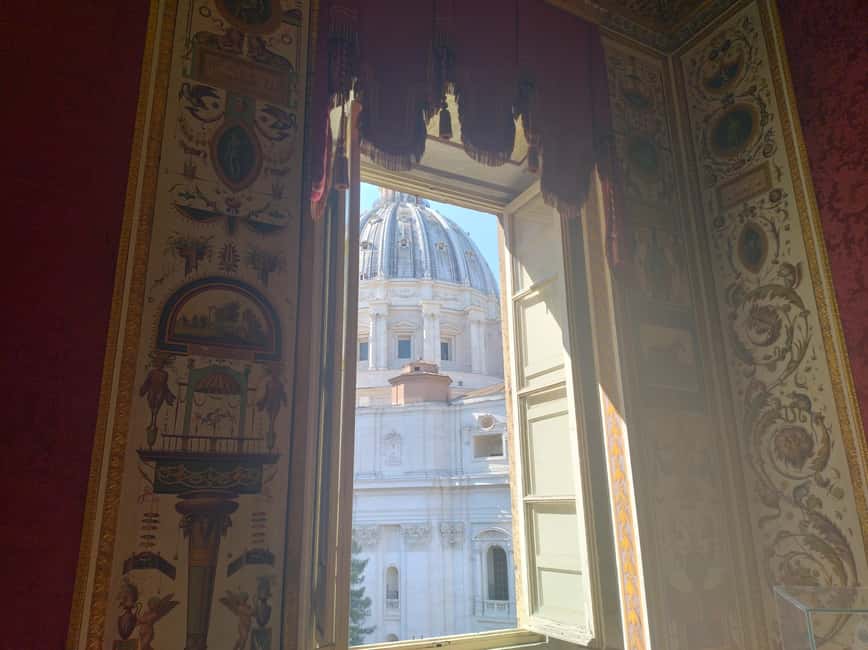
One of the tour’s promises is that the Museums show you ancient Rome. And that’s exactly the kind of phrase that can feel vague—until you’re standing in front of sculptures and reliefs and you understand what you’re looking at.
This is where the modern “visual clues” teaching style really pays off. Your guide uses hints to help you read the scene—where to look, what figures might represent, and how certain pieces fit into bigger stories about Rome’s legacy.
If you’re not an art expert, this is a huge relief. You don’t need to know the dates and names by heart. What you need is context. A good guide gives you context while you’re in the room, so the art sticks in your memory.





Sistine Chapel in a small-group rhythm: Michelangelo and Conclave context
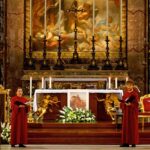
The Sistine Chapel is your 30-minute guided stop, and it’s the spiritual center of this visit. This is where the tour shifts tone from history to reflection. You’re encouraged to slow down in front of the frescoes rather than rushing past them for the next photo.
Michelangelo’s ceiling frescoes are the star, and you’ll get the “why it matters” explanation as you look at what’s painted. The tour highlights that the frescoes were created roughly 500 years ago, and that time depth changes how you see the artistry—these weren’t quick decorations. They were labor, ambition, and belief wrapped into paint.
There’s also a key contextual point: the tour references the Conclave, the papal election process associated with this space. Even if you know nothing about the political side of papal history, you’ll leave with a clearer idea of how the Vatican functions as both a religious site and a long-running institution.
One practical note: the Sistine Chapel is under strict crowd control. The upside of having a guide is that you know where to go next and when to settle in.
The end point: you’ll finish near St. Peter’s Square (without Basilica entry)
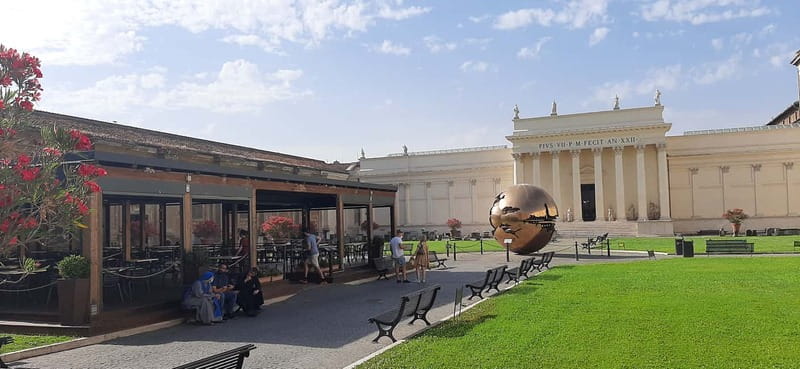
The itinerary ends back at the meeting point area, with drop-off options that include St. Peter’s Square and the Vatican Museums area. That’s helpful because it puts you in the right part of the Vatican neighborhood to continue your day on foot.
But it’s also important to be clear: St. Peter’s Basilica access is not included. Many people assume “Vatican tour” automatically means Basilica time. Here it doesn’t. So if Basilica interior photos are a must, you’ll need to book a separate visit or plan it before or after.
If you love the idea of combining everything in one go, this limitation is the biggest trade-off. The good news is that skipping Basilica entry keeps this tour tight and makes your museum time more focused.
Small-group or private touring: why group size affects the whole day
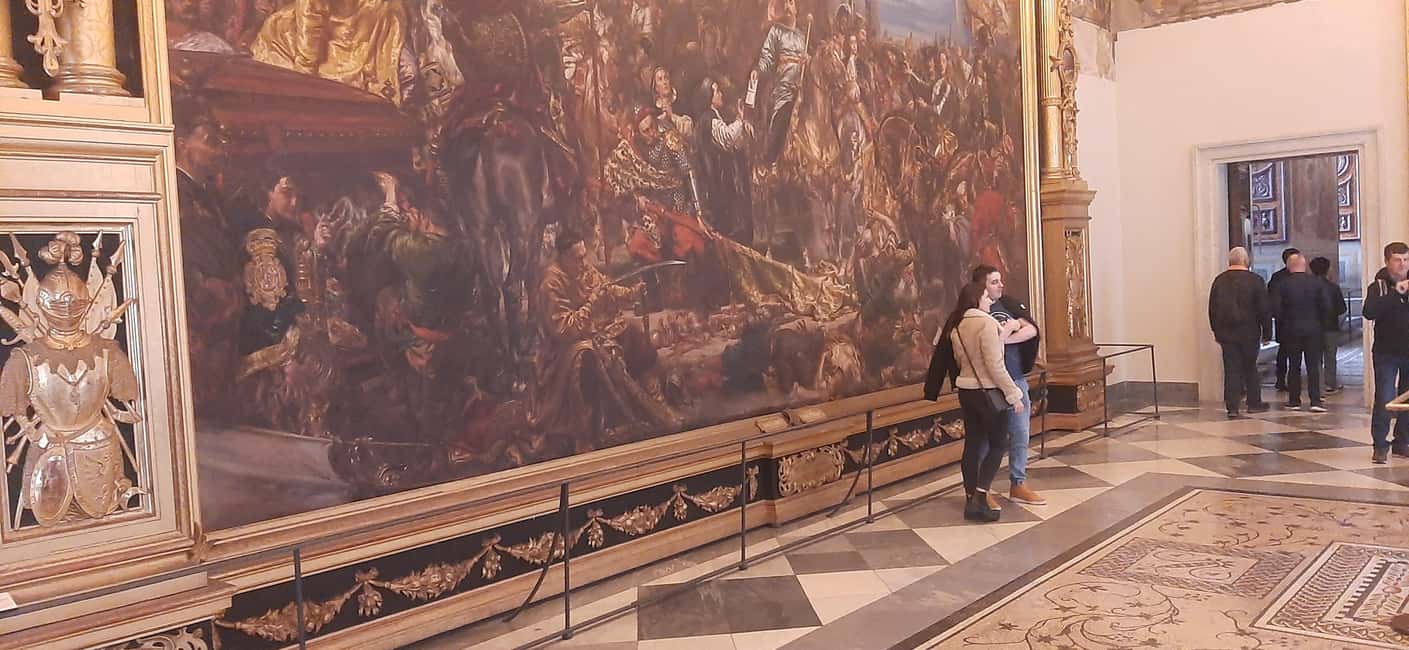
This tour offers private or small groups. In practice, that matters because the Vatican can overwhelm you with distance and crowd noise. In several experiences with similar small-group formats, groups often get audio help like earpieces or radios, which makes it easier to hear your guide while walking through busy rooms.
Another big advantage: small groups are easier to steer. Your guide can adjust pace, stop where questions pop up, and give you attention at the moments that make the art land.
People also tend to like the way guides mix facts with humor. A guide with a good sense of timing can keep teenagers interested and can also make the information feel more like a conversation than a test.
Price and value: is $122.99 worth it?
At $122.99 per person for a 2-hour guided visit, you’re not just paying for museum entry. You’re paying for three things that are hard to replicate on your own:
- Time savings from skipping the main entrance line
- Guided selection of what to see so you don’t waste energy on low-impact stops
- On-the-spot interpretation so the art becomes more than a list of names
If you’re the type who wants a guided plan because you’d otherwise miss the point, this can feel like a good bargain. And if you’re short on time in Rome, saving even one major queue stretch can change your whole schedule.
The only way it feels less like a win is if you want hours of free wandering, or if you specifically want St. Peter’s Basilica as part of the same ticket. In that case, you’ll likely want a different tour type.
Dress code, comfort, and the practical stuff that saves your day
The Vatican has a dress code and it’s not optional here. You can’t wear sleeveless shirts or shorts that don’t meet the rules. You’ll need covered shoulders and knees (shorts that reach the knees are fine).
For footwear, sandals and flip-flops are allowed, which is nice in summer. Still, for a smooth day, I recommend comfortable walking shoes in case the ground is crowded and you’ll be standing in lines and inside galleries.
A couple comfort tips from real-world experience around this area:
- Bring a bottle of water. The museums can feel hot and tiring.
- If you’re visiting in warmer months, plan for heat. A small hand fan can be a lifesaver during waiting or standing.
This tour also isn’t recommended for people with walking difficulties or wheelchair users. The museum and chapel routes involve uneven crowd flow and a lot of walking.
Who this Vatican Museums and Sistine Chapel tour fits best
This is a great match if:
- You want to see the Vatican’s main hits without spending hours queued up
- You prefer a guided route that helps you focus on what matters
- You’d like to understand the stories behind the masterpieces instead of just ticking off rooms
- You want a format that works well for mixed ages, including teens who get bored with pure museum browsing
It’s not the best match if:
- St. Peter’s Basilica interior access is your top priority
- You need long free time inside the Museums or a slower pace
- You rely on mobility support and need an accessibility-friendly route
Should you book this Vatican experience?
If you’re visiting Rome with limited time and you want a smart, guided “highlights plus meaning” approach, I’d book this. The priority entrance plus the guided pacing is exactly how you turn the Vatican from an intimidating maze into a memorable visit.
But if Basilica entry is non-negotiable, don’t squeeze that expectation into this booking. Plan the Basilica separately, and you’ll get the best of both worlds: a focused museum and Sistine Chapel visit here, plus the Basilica visit on another ticket.
FAQ
How long is the tour?
The tour duration is about 2 hours, including the Vatican Museums visit and Sistine Chapel guided time.
Does this tour include St. Peter’s Basilica?
No. Access to St. Peter’s Basilica is not included on this tour.
What’s included in the ticket price?
You get skip-the-line entry for the Vatican Museums and Sistine Chapel, plus a live guided tour (English).
How does the skip-the-line part work?
The tour includes skip the line through a separate entrance, but you still must pass through a security check.
How much time should I plan for security?
You should plan for at least 20 minutes to clear security.
What are the dress code rules?
You need shoulders and knees covered. Sleeveless shirts and shorts are not allowed. Sandals and flip-flops are allowed.
What should I bring for comfort?
The tour strongly advises you to bring a bottle of water. Comfortable clothing for covering shoulders and knees helps too.
Is this a private or small-group tour?
You can choose private or small groups.
Is it suitable for wheelchair users or mobility issues?
It is not recommended for those with walking difficulties, and it is not suitable for wheelchair users.
Can I get a refund if my plans change?
This activity is non-refundable.