REVIEW · ROME
Rome: Pantheon Small-Group Guided Tour with Entry Ticket
Book on GetYourGuide →Operated by Kirba Tours · Bookable on GetYourGuide
The Pantheon hits you fast. A short walk gets you from Piazza Capranica to one of Rome’s best-preserved monuments, then a guide turns the building into a story you can actually picture. I love the way the tour uses the Oculus and the shifting light to make the architecture feel alive, and I also love that guides bring both engineering details and mythology into the same easy-to-follow visit. One thing to note: this is a sacred site with a dress rule, so plan your outfit and skip anything with bare shoulders.
If you want the quick hits plus the context, this is a strong way to do it. The guided portion clocks in around 50 minutes, so you’re not stuck listening forever, and the headset helps keep the talk clear for larger small groups. The possible drawback is simple: if you’re late to Piazza Capranica, you can miss the tour and the entry.
In This Review
- Key things you’ll notice
- The Pantheon in 50 Minutes: What This Tour Adds
- Meeting at Piazza Capranica and Getting There Right
- The 10-Minute Walk That Sets Your Expectations
- Going Inside: Light Through the Oculus and Sacred-Site Rules
- Architecture Nerd Corner: Dome Design, Geometry, and Roman Ambition
- Stories You Can Use: Myth, History, and Great Guide Energy
- Headsets, Hearing, and Small-Group Comfort
- Price and Value: What $48.97 Buys You
- Who This Pantheon Tour Suits Best
- Book It or Skip It: My Practical Verdict
- FAQ
- FAQ
- Where do I meet the guide?
- How long is the guided tour?
- Is the Pantheon ticket included?
- Do I need to wait in line for entry?
- What languages are the tours offered in?
- What should I wear to the Pantheon?
- Can I bring a large bag or luggage?
- Do I need to bring an ID?
- Is the tour wheelchair accessible?
- Is free cancellation available?
- Is there a reserve and pay later option?
Key things you’ll notice
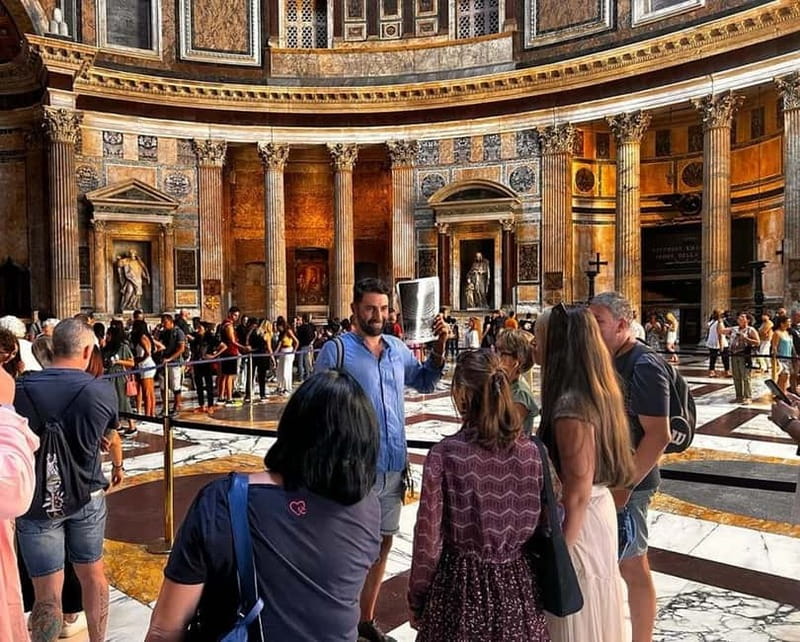
- Skip-the-line entry with your included Pantheon ticket, so you lose less time waiting
- Oculus light-and-shadow moments explained in a way that makes photos actually meaningful
- Expert guides with lots of detail, including design/geometry connections and myth context
- Headsets for groups of 6+, so you don’t have to crane your neck to hear
- Clear on-the-spot question time, which is where the tour often gets best
- Dress rules matter: covered shoulders and no sleeveless tops
The Pantheon in 50 Minutes: What This Tour Adds
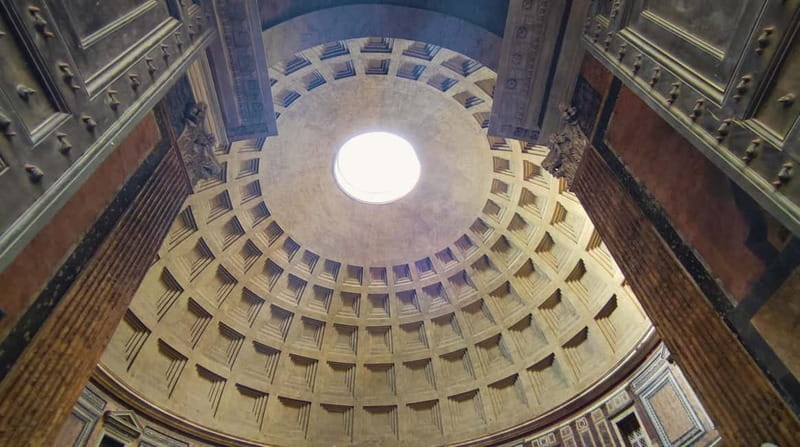
The Pantheon can feel like a single, iconic “big dome” from the outside. Inside, though, it’s a whole system: space, structure, sound, and light working together. That’s where a good guided tour earns its keep.
This one keeps the pace reasonable. You get a walk from Piazza Capranica, then a guided visit that’s long enough to cover the origin myths, the political and historical changes over time, and the architecture you’ll notice even if you came with zero Roman history. You also get time to ask questions, which matters because the Pantheon has that problem: it looks simple at first glance, then it starts clicking once someone points out what you’re looking at.
The result is a visit that feels less like sightseeing and more like understanding. You’ll still have plenty of time to look up at the dome and around at the details, but you won’t have to guess what everything means.
You can also read our reviews of more tours and experiences in Rome


Meeting at Piazza Capranica and Getting There Right
You meet your guide in Piazza Capranica, about 10 minutes before the start time. Look for the Kirba Tours sign or flag. This matters more than it sounds. The Pantheon area can move slowly, and the tour timing is real.
A practical tip: show up early enough to settle your footing. You’ll want comfortable shoes for the pavement and the short walk. Also, keep an eye on what you’re carrying. The rules say no luggage or large bags, so plan to travel light.
There’s also a clear heads-up on timing: no-shows or late arrivals won’t be refunded, and arriving late means you miss the tour and the entrance. So if you’re combining this with other sights nearby, don’t schedule it as a “maybe” stop.
The 10-Minute Walk That Sets Your Expectations

That short walk from Piazza Capranica to the Pantheon is useful. It helps you transition from “Roman streets” into “Roman engineering.”
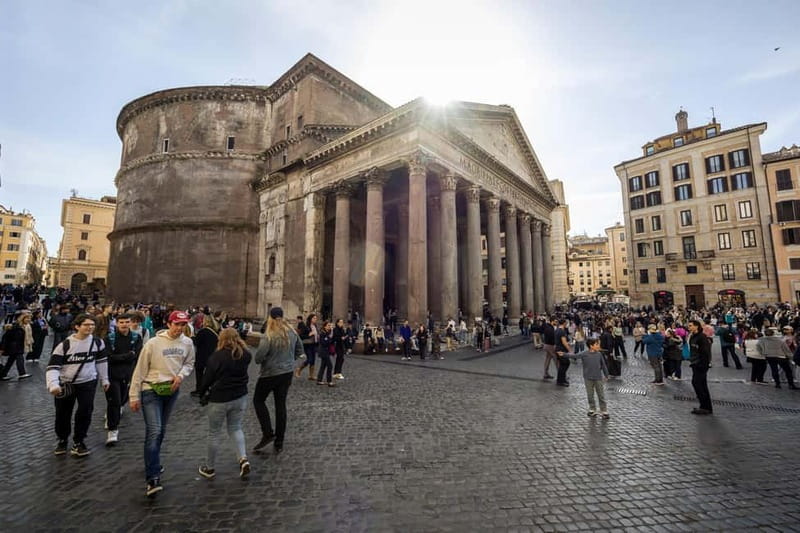
As you approach, focus on what your guide is likely to emphasize: the scale of the façade and the idea that you’re looking at a monument designed to last. Even before you’re inside, the Pantheon’s sense of mass and proportion starts to make sense. You can also start spotting the details that people miss when they sprint for the big photos.
This is a good moment to set your mindset. Come ready to look up, but also come ready to notice small structural details. The best parts of the Pantheon often aren’t the first thing you see; they’re what you notice after someone tells you what to look for.
Going Inside: Light Through the Oculus and Sacred-Site Rules
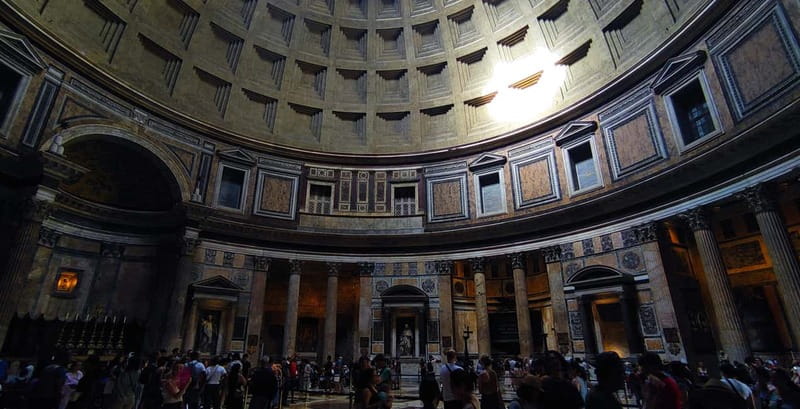
Stepping into the Pantheon is a sensory moment. The air feels cooler, the space feels bigger than you expect, and the sound changes when you shift your position. The tour’s timing is built to get you through those first impressions and into the meaningful stuff quickly.
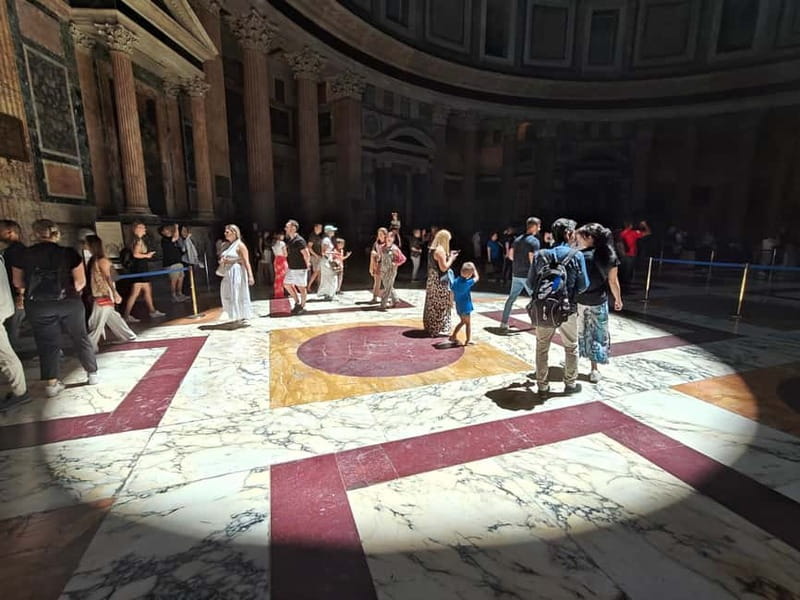
The highlight here is the play of light and shadow as light enters through the Oculus. A guide helps you connect what you see with why it’s designed that way. That single opening isn’t just a ceiling feature; it’s the way the building “breathes” during the day.
And yes, it’s also a place of worship. Dress appropriately:
- Shoulders must be covered, so avoid sleeveless shirts.
- Plan your outfit ahead so you don’t scramble at the last second.
This isn’t a costume-party kind of site. Follow the rules and the experience becomes smoother for everyone.
Architecture Nerd Corner: Dome Design, Geometry, and Roman Ambition
The Pantheon’s dome is famous for a reason, but the real wow-factor is how it feels when you connect the structure to the space it creates. During the guided portion, expect the guide to point out how the building stays structurally sound and how Roman design choices keep working centuries later.
One of the standout themes from strong guide performances is the way they connect the Pantheon to planning ideas that feel almost scientific. Some guides, like Paolo or Pietro, have a knack for explaining connections involving structural geometry and even astrology-style timing concepts tied to alignments. You don’t need to be an astronomy person to follow along, but it helps if you’re the kind of traveler who likes when architecture gets explained as intentional design, not random genius.
Also, you’ll likely hear stories about the Pantheon’s origin and how it evolved over roughly two millennia. That sweep of time is part of why this tour works: the building isn’t treated as a museum object stuck in one era. It’s presented as a living landmark that has been visited and reshaped in different moments of Rome’s history.
If you want your visit to feel smarter, ask your guide what design choice you’re looking at right now and why it matters. That’s exactly the kind of question that tends to bring the talk to life.
You can also read our reviews of more guided tours in Rome






Stories You Can Use: Myth, History, and Great Guide Energy
The Pantheon is stuffed with legend. Myth and history can sound heavy on a normal tour, but the best guides make it conversational.
From the guide styles shared in the experience feedback, you’ll see a pattern: guides like Realda, Ledio, Christiano, Henry, Paolo, and Paola are praised for being engaged, personable, and willing to answer follow-up questions. Some also add humor. That’s not just for entertainment. Humor lowers the mental cost of learning. You remember more when the story is fun to listen to.
I like this approach because it helps you handle the Pantheon’s biggest challenge: it’s easy to treat as a stop-and-take-a-photo. A strong guide turns it into a place where you can understand what you’re seeing in real time.
If you’re traveling with kids, this structure is also a good fit. One of the most helpful signs is that younger visitors often leave the tour impressed, not overwhelmed.
Headsets, Hearing, and Small-Group Comfort
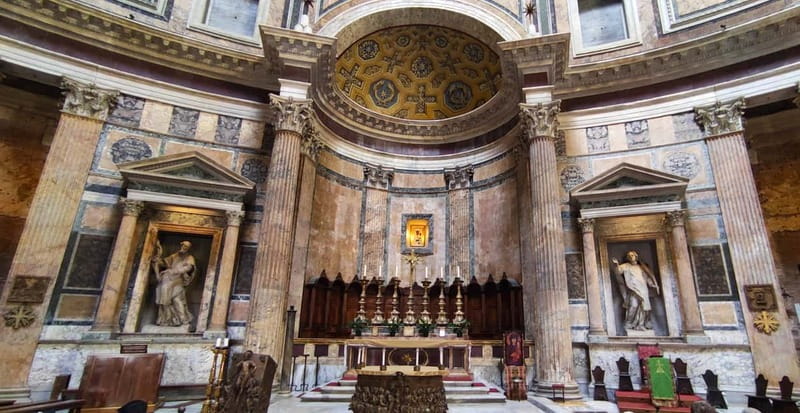
This tour is described as small-group, and that affects how the visit feels. When you’re in a group that’s large enough to get spread out, conversation can get lost fast. That’s why the tour includes headsets for groups of 6 people or more.
In plain terms: you should hear your guide without playing camera-man for your own ears. It also means you can look up and around without constantly turning your head to track the guide’s voice.
If you hate the feeling of being rushed, small-group pacing usually helps. You get to take a breath at the right moments, and you can linger for your own questions without the guide having to stop the entire flow every time.
Price and Value: What $48.97 Buys You
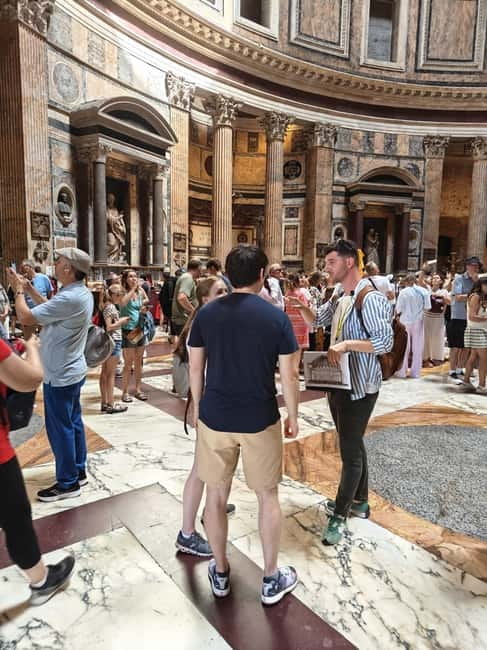
At around $48.97 per person, the price isn’t just paying for a walk-and-talk. You’re also paying for three things that are hard to replicate on your own:
- Entry ticket included
That’s a direct cost you wouldn’t skip if you were booking separately.
- Skip-the-ticket-line access
The Pantheon area can have queues. Cutting waiting time is real value, especially when your time in Rome is limited.
- An official guide with enough depth to make the building click
The tour is about more than pointing out what’s visible. It’s built to connect the dome, the Oculus light, and the stories into one coherent explanation.
The duration is also a factor. You’re getting a guided experience that’s long enough to be worth it, but short enough that it doesn’t hijack your whole day. Add that up and the cost looks reasonable for what you receive.
Not included is the hotel pickup or drop-off, but that’s common for city walking tours. You’re meeting in Piazza Capranica and doing a short walk on-site, so you keep control of your day.
Who This Pantheon Tour Suits Best
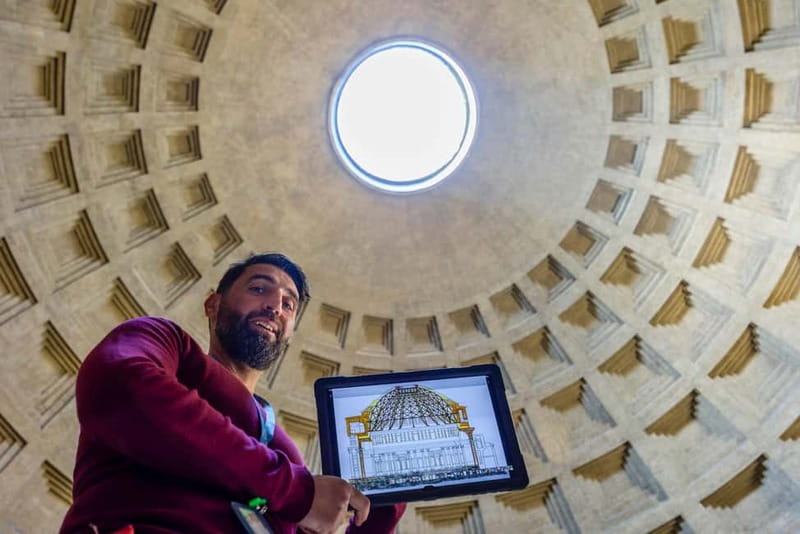
This tour fits best if you want more than surface-level sightseeing. You’ll enjoy it if you:
- love Roman architecture and want the “why” behind what you see
- like guided storytelling that mixes myth with structural facts
- want a manageable time commitment around an iconic site
- appreciate question time so you can tailor the visit to your interests
It’s also a good family option. The format works for adults who want context and for kids who need the story to be kept lively.
If you’re the type who only wants a quick wander, you might feel the time is “guided too much.” But if you’re booking a Pantheon visit anyway, the guide typically gives you back far more than the minutes you spend listening.
Book It or Skip It: My Practical Verdict
I’d book this Pantheon small-group tour if you care about understanding what you’re seeing. The big reason is the combination: entry ticket + a real guide + skip-the-line access, delivered in about an hour.
Also, the guide quality seems consistently strong. Names like Paolo, Pietro, Ledio, Christiano, Henry, Paola, and Realda show up in the experience feedback for a reason: the tours focus on clear explanations, lots of detail, and the kind of engagement that keeps attention without turning it into a lecture.
The only clear reason to skip is if you’re determined to do the Pantheon entirely on your own, with no guide support, no headset help, and no structured story. If that’s your style, go ahead and wander. But if you want to leave with a deeper appreciation for the dome, the Oculus light, and the myths and history tied to it, this is a smart use of time in Rome.
FAQ
FAQ
Where do I meet the guide?
You meet in Piazza Capranica, about 10 minutes before the tour start time. Look for the Kirba Tours sign or flag.
How long is the guided tour?
The tour is listed as about 50 minutes to 1 hour, depending on the start time you select.
Is the Pantheon ticket included?
Yes. Your ticket entry to the Pantheon is included in the tour price.
Do I need to wait in line for entry?
The tour is described as skipping the ticket line, so you should spend less time waiting than if you arrive without a guided ticket.
What languages are the tours offered in?
The live tour guide operates in English and Italian.
What should I wear to the Pantheon?
You should dress appropriately for a holy place. Shoulders must be covered, so avoid sleeveless shirts.
Can I bring a large bag or luggage?
No. Luggage or large bags are not allowed.
Do I need to bring an ID?
Yes. Bring a passport or ID card.
Is the tour wheelchair accessible?
Yes. The Pantheon tour is listed as wheelchair accessible.
Is free cancellation available?
Yes. Free cancellation is available up to 24 hours in advance for a full refund.
Is there a reserve and pay later option?
Yes. You can reserve now and pay later, so you can hold your spot without paying immediately.