REVIEW · ROME
Rome: Pantheon Guided Tour with Entry Ticket and Headsets
Book on GetYourGuide →Operated by Flavio's Journeys · Bookable on GetYourGuide
One hour in Rome, and the Pantheon clicks. You get in with skip-the-line entry and clear headsets, which means less time stalled and more time looking up at the dome.
I like that the tour is tightly focused (about 50–55 minutes) and organized so you’re not scrambling to figure things out on your own. One possible drawback: it’s not a long, slow meander—if you want lots of free time inside after the narration, you may feel the clock a bit.
In This Review
- Key Highlights to Watch For
- Fast-Track Entry Starts at Piazza della Rotonda
- What the 50–55 Minutes Feels Like On the Ground
- Inside the Pantheon: Dome First, Then the Details
- Roman Engineering, Explained Without the Jargon
- From Agrippa to Boniface IV: The Pantheon’s Changing Role
- How the Guides Make or Break the Experience
- Logistics That Actually Matter (Not the Boring Stuff)
- Timing and Your Photo Plan for the Pantheon
- Price and Value: Why $39 Can Make Sense
- Who This Pantheon Tour Is Best For
- Should You Book This Pantheon Guided Tour?
- FAQ
- How long is the Pantheon guided tour?
- Where is the meeting point?
- Is the tour rain or shine?
- Are headsets included?
- What should I wear or bring?
- Are there any items I can’t bring?
- What languages are the guides available in?
Key Highlights to Watch For
- Fast-track entry so you can get past the crush and start seeing right away
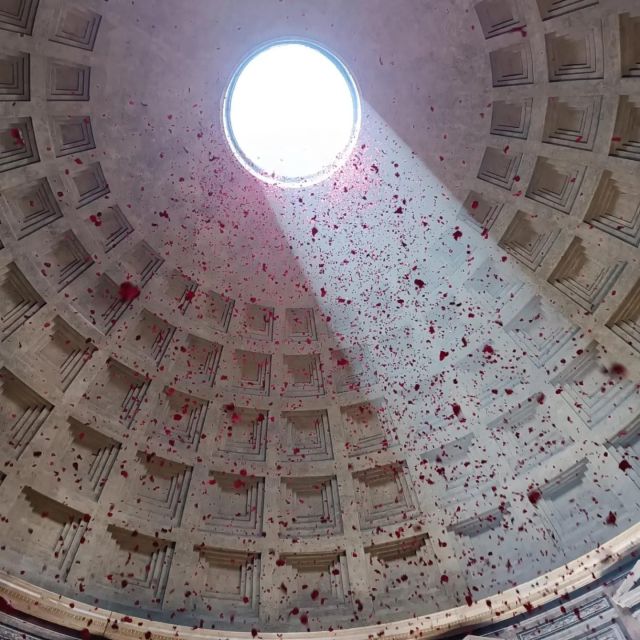
- The 43-meter dome and oculus explained as part of the Pantheon’s design story
- Pope Boniface IV and the 608 transfer of martyrs from the catacombs to the Pantheon
- Small-group feel with headsets (especially when groups run over 8)
- Guide-led storytelling that blends humor with architecture and Rome’s shifting religious life
Fast-Track Entry Starts at Piazza della Rotonda
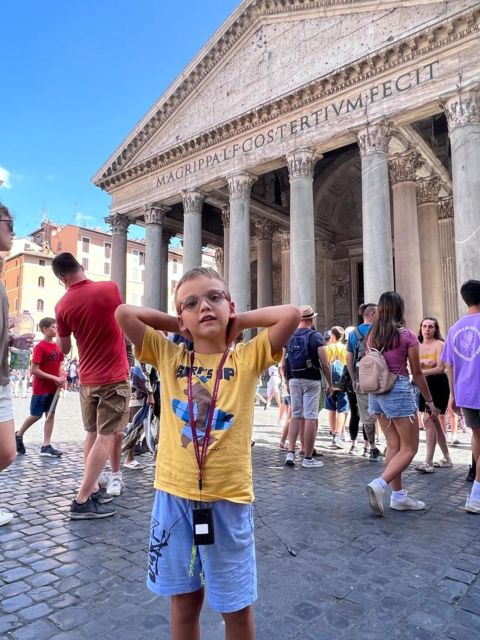
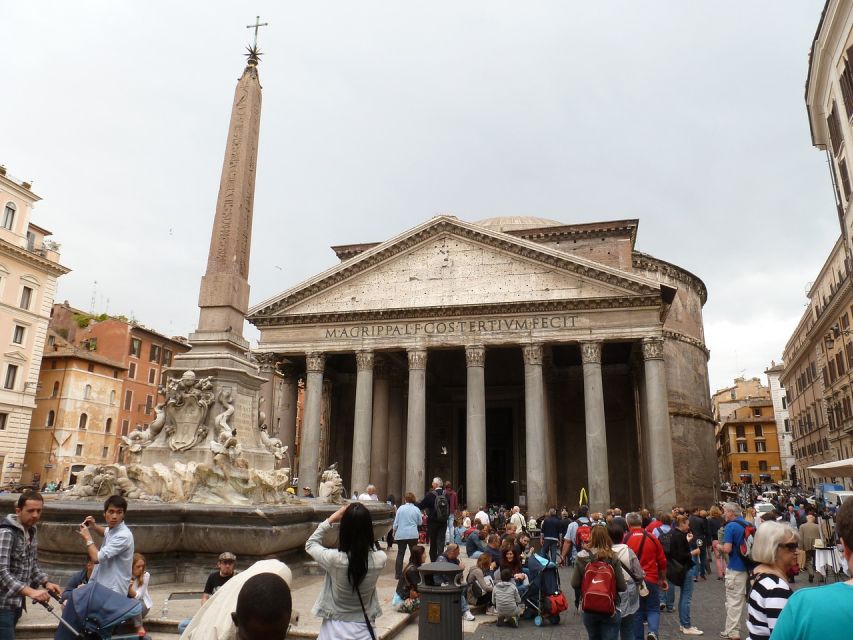
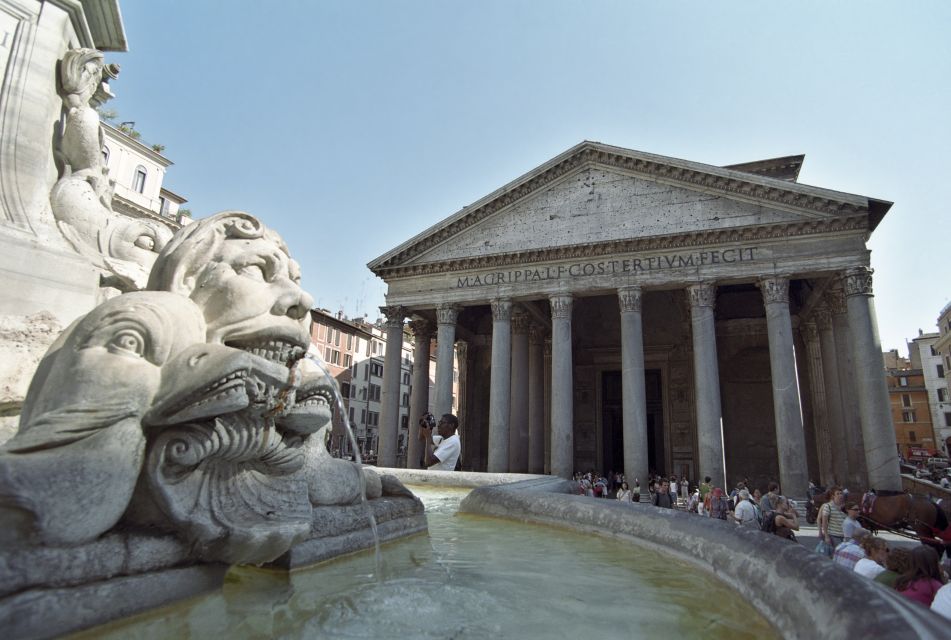
This Pantheon tour begins at Piazza della Rotonda, 4, right in the action. Your meeting point is in front of Antica Salumeria, opposite the Pantheon entrance, which is exactly the kind of setup you want in Rome: easy to find and hard to miss.
The real win here is the express lane. Skip-the-line usually sounds like marketing until you’re standing under Roman sun (or rain) staring at people who are still waiting their turn. Here, you’re paying to get into the experience sooner, and with a guided route, that time feels like it’s used well.
The tour also runs rain or shine, so plan like a Roman: pack rain gear and don’t count on weather to slow down the schedule. The site is outdoors-first (and it’s Rome), so you’ll still be dealing with elements before you reach the quieter magic inside.
You can also read our reviews of more tours and experiences in Rome


What the 50–55 Minutes Feels Like On the Ground
The pacing is built around a short, high-impact loop: you start at the Pantheon area, get your guided visit inside, then return to Piazza della Rotonda.
In that window, you should expect a structured walk-through rather than a freeform hangout. That’s not a downside if you’re visiting for meaning, not just photos. It’s ideal if you’re doing multiple major sights and want the Pantheon to be the one with clear context.
If you’re the type who likes to step back, stare, and keep reading stone for another hour, treat this as the guided primer. You’ll leave with a much better sense of what you saw—and then you can decide if you want to come back for more time on your own.
Inside the Pantheon: Dome First, Then the Details
Once inside the Pantheon, you’re looking at one of the most dramatic ceilings ever built in the ancient world. The dome is enormous—43 meters in diameter—and your guide uses that scale to explain how the building works as a feat of design.
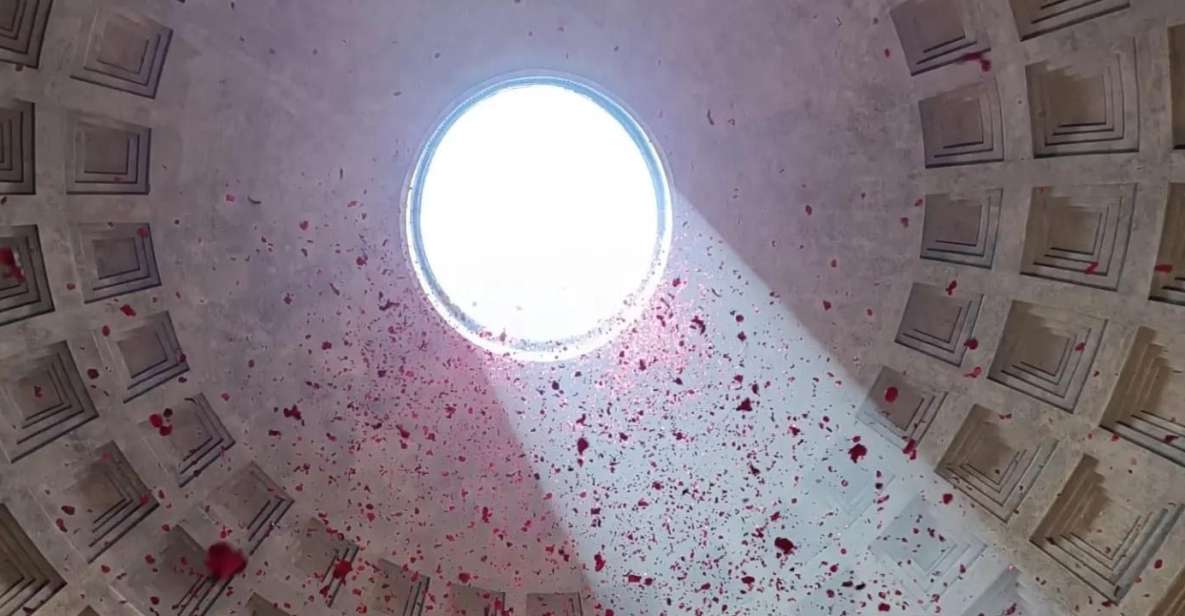
Next comes the oculus, the famous opening that lets natural light pour into the interior. This isn’t just a wow moment. With the guide talking, you’ll start noticing how the daylight changes your sense of space and why that opening matters to how the interior feels in real time.
You’ll also walk across the marble floor, which helps you understand that the Pantheon isn’t only about height. It’s an entire room-sized system, and the guide’s narrative connects the engineering idea to what you experience as you move.
And yes—there’s a story to the place beyond architecture. The tour includes the historical layers that explain why the Pantheon became central in later Christian Rome, not just ancient pagan Rome.
Roman Engineering, Explained Without the Jargon
One reason I recommend a guided Pantheon visit is that it’s hard to read the building like a book when you’re standing in the middle of it. This tour is designed to make the key ideas stick.
Your guide focuses on the engineering secrets that helped the Pantheon survive from Roman times in a way that other structures of similar age didn’t. They also connect what you see—dome, interior light, and the overall design—to why this building endured.
You won’t leave with a technical drawing. You’ll leave with a mental model: how the Pantheon’s shape, scale, and opening work together to create an interior that still feels intentional today.
That matters because the Pantheon can feel like one big picture if you don’t have a framework. With the guide’s pacing, it becomes more like a guided walkthrough of a solved problem: how to build a massive covered space and keep it standing for centuries.
From Agrippa to Boniface IV: The Pantheon’s Changing Role

The Pantheon’s history isn’t a straight line. One moment it’s a monument associated with the time of Agrippa; the next it’s central to Christian Rome.
This tour makes that shift crystal clear. You’ll hear how Pope Boniface IV played a major role in 608, ordering the transfer of remains of martyrs from the Christian catacombs to the Pantheon. That’s the kind of historical detail that changes how you look at the building: it’s not frozen in one era.
You’ll also get guided explanation about who lies in this old church—the Pantheon’s later burial importance is part of the tour’s story, not a random fact you stumble across.
For me, that’s the best kind of tour narrative: it doesn’t treat the Pantheon like a museum piece. It treats it like a real place that kept being used, refitted, reinterpreted, and remembered.
You can also read our reviews of more guided tours in Rome






How the Guides Make or Break the Experience
In Rome, the Pantheon is famous enough that almost any visit will look impressive on photos. The difference is whether the story sounds like a lecture—or like someone actually knows what it means.
This tour consistently earns high marks for guides who bring energy and humor. You’ll hear different languages offered (Italian and English), but the presentation style shows up again and again in the guide-led experience.
Some guide names you may encounter include Jessica, Leonardo, Jobe, Claudia, and Barbara. The pattern across these guides is the same: they explain what you’re seeing, and they connect it to bigger questions about Rome—religion, architecture, and why this building survived.
A small, practical detail adds to the quality: for groups larger than about 8 people, you get headsets. That means you’re not stuck leaning in and guessing words while you’re also trying to look up at the dome.
I also like that the tour isn’t painfully long. It stays focused on a handful of core ideas, so you don’t leave feeling like you got a fact dump.
Logistics That Actually Matter (Not the Boring Stuff)

This is a walk-in-then-listen experience, so your basics have to be right.
What to wear
- You must cover shoulders and knees.
- Comfortable shoes matter because you’re walking inside the Pantheon while your guide keeps the story moving.
What to bring
- A sun hat helps outside or during waiting time.
- Rain gear is smart because the tour runs rain or shine.
What not to bring
- Luggage or large bags aren’t allowed.
That last item is worth planning for. Rome can be slippery about bag rules, and this one is explicit. If you show up with too much, you risk losing time before the tour even starts.
Timing and Your Photo Plan for the Pantheon
Because the tour runs 50–55 minutes, you’ll likely be taking most photos during the guided flow rather than wandering freely for long stretches. That’s normal, but it helps to have a strategy.
I suggest this approach:
- Take wide shots when your guide pauses you at key spots.
- Save close-ups (like floor details and interior framing) for when you have a moment to stop moving.
- Don’t fight the group too much. The Pantheon is popular, and trying to outmaneuver the flow often turns into frustration.
One extra note: the tour focus is the narration and guided viewing. If your main goal is maximum solo time, you might prefer a different format. If your goal is understanding and momentum, this fits nicely.
Price and Value: Why $39 Can Make Sense
At $39 per person for a 50–55 minute guided visit, the value comes from what’s included, not just the name on the ticket.
You’re getting:
- A live guide
- Skip-the-line entry tickets
- Headsets (for groups over 8)
- A guided route inside centered on the Pantheon’s story: dome, oculus, and historical layers
If you were to buy entry on your own and then wander with no context, you might still love the Pantheon. But you’d miss the “why it’s like this” part that makes the architecture feel less mysterious and more solvable.
So I’d call it a fair price for time savings plus guided explanation—especially if you’re on a tight itinerary or trying to hit several big sites in a day.
Who This Pantheon Tour Is Best For
This experience is a strong fit if you:
- Want a first-time Pantheon visit with clear context
- Prefer small-group pacing (not a massive herd)
- Appreciate architecture stories without needing a degree in Roman construction
- Like guides who use humor while explaining what you’re looking at
It’s also a good pick if you travel as a couple or small group and want everyone to hear the guide well—headsets help, and the tour format avoids the chaos of random self-guided looping.
If you’re traveling with very little tolerance for rules, keep in mind the shoulders-and-knees requirement and the no large bags policy.
Should You Book This Pantheon Guided Tour?
Yes, if your priority is getting inside quickly and leaving with a clear understanding of what makes the Pantheon special.
Book it when:
- You’re short on time and want the line problem handled for you
- You enjoy a guide narrative that connects architecture to real history
- You’d rather pay for headsets and structure than improvise in a crowd
Skip it or consider a different format if:
- You need lots of unscheduled time inside for slow wandering and reading
- You’re not willing to follow the coverage rules and bag restrictions
Overall, this is one of those Rome experiences where the building is already famous—but the guided story is what turns it from impressive to memorable.
FAQ
How long is the Pantheon guided tour?
The tour lasts about 50 to 55 minutes.
Where is the meeting point?
Meet in front of Antica Salumeria at Piazza della Rotonda, 4, opposite the Pantheon.
Is the tour rain or shine?
Yes, it runs rain or shine.
Are headsets included?
Yes. Headsets are provided to help you hear the guide clearly, especially for groups over 8 people.
What should I wear or bring?
Bring a sun hat, comfortable shoes, and rain gear. You must cover your shoulders and knees.
Are there any items I can’t bring?
Yes. Luggage or large bags aren’t allowed.
What languages are the guides available in?
The tour is offered in Italian and English.