REVIEW · ROME
Rome: Crypts and Catacombs Underground Tour with Transfers
Book on GetYourGuide →Operated by City Wonders Ltd. · Bookable on GetYourGuide
Rome goes underground fast. This tour strings together the Capuchin Crypt, the Roman Catacombs, and the Basilica of San Martino ai Monti, using air-conditioned coach transfers so you’re not bouncing around the city. I especially like the skip-the-line setup, because it helps you spend more time in the places you actually came for.
What I love most is how the story keeps moving at each level: bone chapel weirdness above, early Christian burial spaces below, and then a church built over ancient foundations. One possible drawback: the first underground stop can feel a bit time-tight—if you’re the type who needs extra listening time (or extra bathroom time), keep expectations realistic and wear your patience.
In This Review
- Key highlights you’ll feel fast
- Piazza Barberini start: getting oriented without stress
- Capuchin Crypt: the Bone Chapel, Caravaggio, and St. Francis relics
- Coach transfers: why the comfort matters in this itinerary
- Roman Catacombs: the guided tour that makes the underworld personal
- Basilica of San Martino ai Monti: an “above and below” church lesson
- How long it feels, what to wear, and the walking reality
- Price and value: why $74-ish can make sense here
- After-hours option: shorter, darker, and without the basilica
- Who should book this tour (and who might not love it)
- My practical verdict: should you book?
- FAQ
- What’s the duration of the Rome crypts and catacombs tour?
- Where do I meet the guide?
- What sites are included on the day tour?
- Are skip-the-line tickets included?
- Is the Basilica of San Martino ai Monti visit guaranteed on Sundays?
- Is this tour suitable for wheelchair users?
Key highlights you’ll feel fast
- Skip-the-line entry at all three main stops, so you’re not stuck in long queues
- Capuchin Crypt “Bone Chapel” with bones of nearly 4,000 Capuchin monks
- Caravaggio connection plus relics tied to St. Francis inside the Capuchins complex
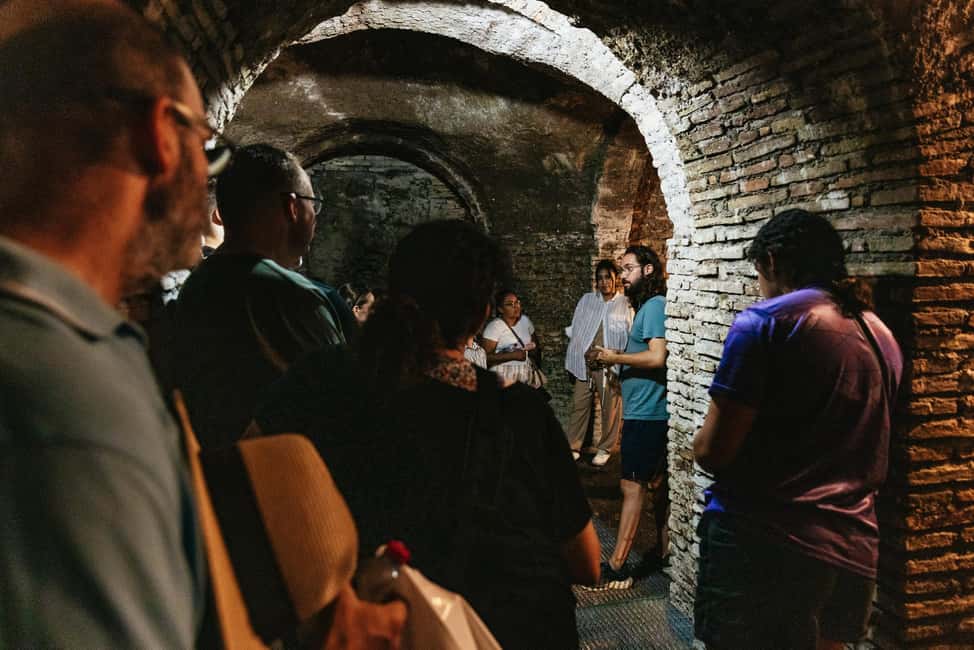
- Guided Roman Catacombs tour focused on early Christian worship and burial
- Basilica of San Martino ai Monti with Baroque frescoes, ancient mosaics, and underground chambers
- Air-conditioned coach transfers between locations, which makes a big difference with underground walking
Piazza Barberini start: getting oriented without stress
This tour begins in central Rome at Piazza Barberini, near the big Triton fountain, by the metro stop Barberini on Line A (red line). I like this meeting point because it’s easy to find even if your first hours in Rome are a little chaotic. You’re not playing guessing games across multiple blocks.
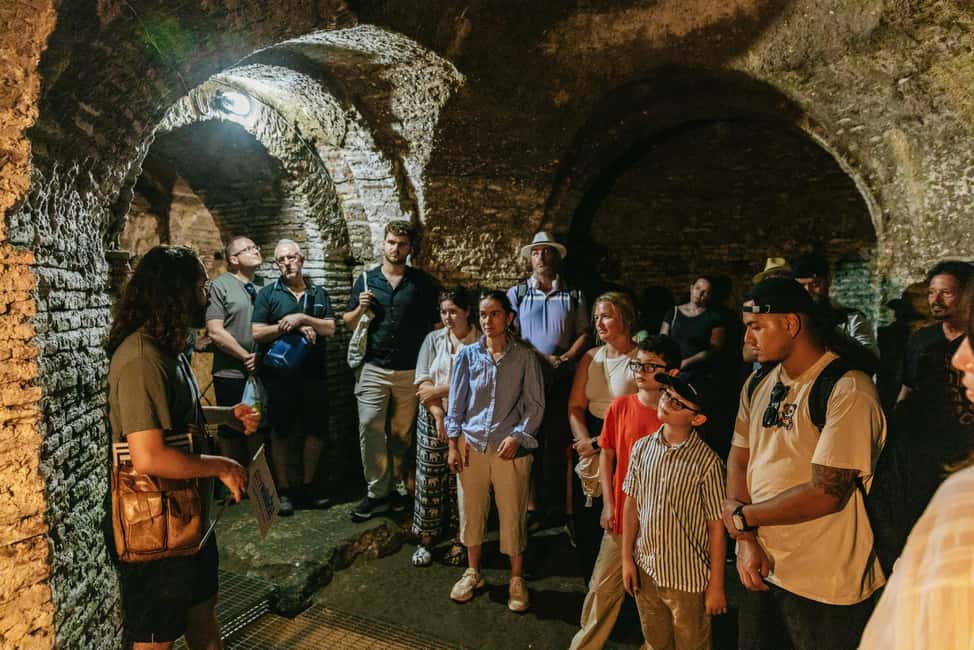
From there, you move as a group. The schedule includes bus/coach time between stops, which is smart because Rome’s best underground sights are not clustered like museum rooms. You’ll also want to treat the walk like part of the experience, not a bonus. Comfortable shoes matter here, because you’ll be going up and down in places that are not made for long, slow strolling.
One more practical note: there are clear church and entrance clothing rules. Plan ahead. No shorts, short skirts, or sleeveless shirts, and the tour also doesn’t accommodate strollers or baby carriages. If you show up bundled up for warmth, make sure you can still meet those rules.
You can also read our reviews of more tours and experiences in Rome.



Capuchin Crypt: the Bone Chapel, Caravaggio, and St. Francis relics
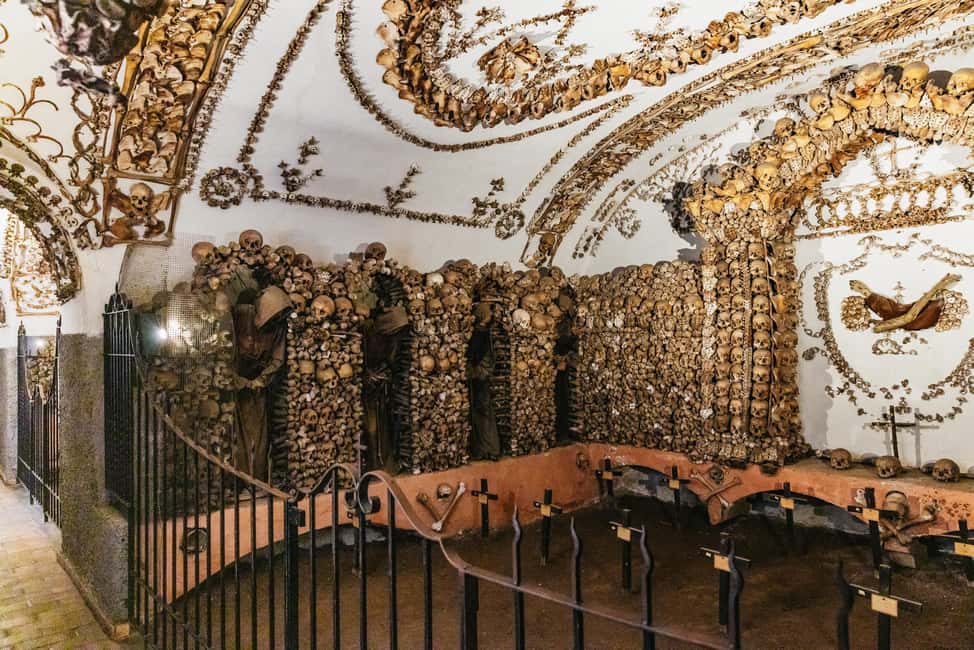
The Capuchin Crypt is the stop that grabs most people by the collar. You descend into a cool, dim space and end up in the middle of what’s often called the Bone Chapel: a decorative display made from the bones of nearly 4,000 Capuchin monks. It’s eerie, yes, but it’s also strangely ordered. The effect is more than shock-value. It’s visual storytelling using human remains.
This stop is self-guided with an audio guide for about 45 minutes. I like the self-paced format here. It lets you pause when your brain needs a second to catch up. You can decide how long to stare at the details, then move on when you’re ready.
Inside the Capuchin Crypt complex, you’ll also see references that add meaning beyond the macabre centerpiece: there’s mention of a Caravaggio painting and relics connected to the life of St. Francis. That mix helps the experience feel less like a Halloween prop and more like a window into how faith shaped art, memory, and ritual.
A small caution from my own practical lens: underground rooms tend to be cold and damp, so even if Rome is warm above ground, you’ll likely appreciate a layer you can tolerate for a while. Also, plan for limits on photos in the underground parts. If you’re hoping for lots of images, adjust your mindset and focus on what you can actually take in with your eyes.
Coach transfers: why the comfort matters in this itinerary

Between underground sites, the tour uses an air-conditioned coach. That sounds minor until you’re standing in Rome heat (or humidity) with a long day ahead. The coach time also gives you room to mentally reset. You’ll be shifting from dark, quiet spaces to brighter streets and back again.
I also like that the guides use the transfer time to keep you oriented. In guides’ comments shared from past tours, there’s often a quick intro to Rome’s background and some useful framing before you get to the next site. Even a short “what you’re about to see” can turn the underground stops from random exhibits into one connected story.
The main travel consideration here is timing. You’re on a tight route: one underground stop, then another, then a church that also includes underground chambers. If you tend to get distracted by side streets and want to linger, you may find yourself wishing you had more control. Still, the coach helps you stay in sync without burning energy.
Roman Catacombs: the guided tour that makes the underworld personal
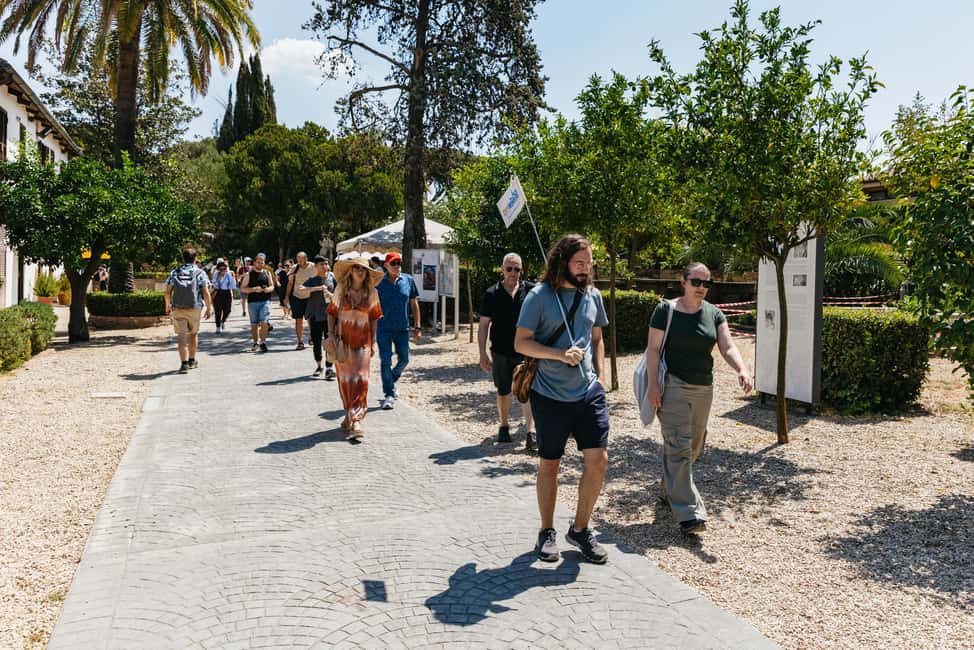
Next comes the Roman Catacombs, explored on a guided visit (about 45 minutes). This is where the tone shifts from strange art to something more emotional. The catacombs were hidden burial and worship spaces for early Christians, built underground under the pressure of persecution. The experience is about underground life: not ghosts, not drama—real people carving out places to bury their dead and keep faith alive.
The structure of the tour matters. A guide-led format works well in the catacombs because the spaces can feel confusing if you’re trying to read everything on your own. A good guide gives you landmarks, context, and explanations for what you’re seeing, including how tombs were arranged and why this network mattered.
One of the most praised parts of this tour is the storytelling quality. Some guides have brought a personal, even moving tone to the visit, including sessions led by people connected to the site itself (including mention of a nun guide tied to the catacombs). You don’t have to be religious to feel the weight of what these spaces represent. But if you are, it hits harder.
Also, remember how these places are built: lots of walking, lots of changing levels, and not much room to stretch out. If you’re sensitive to cramped spaces, go in with your expectations set. It’s not a “wander and take it easy” environment.
Basilica of San Martino ai Monti: an “above and below” church lesson
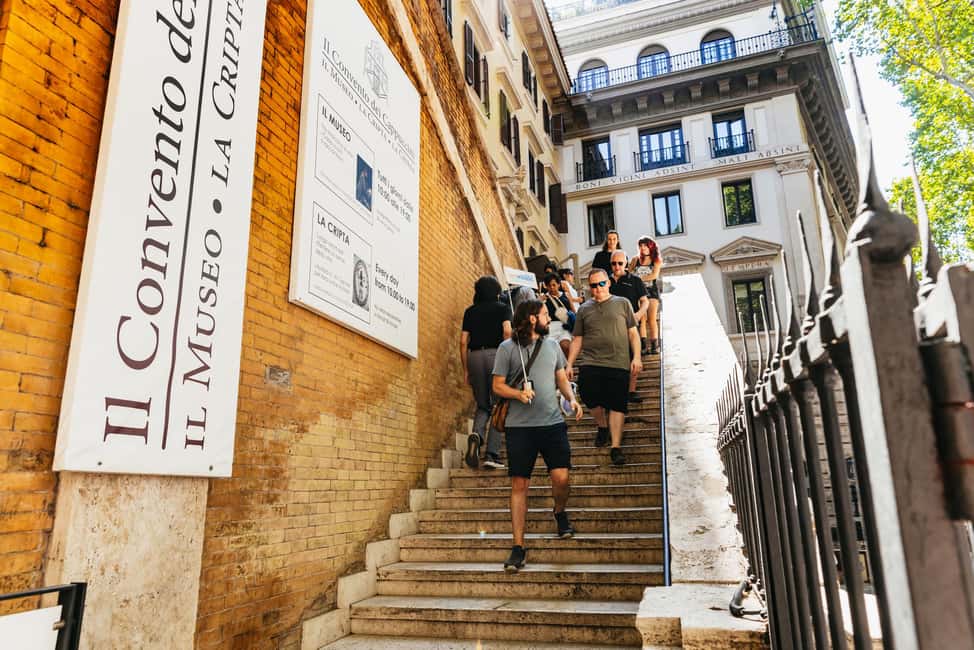
The final stop is Basilica of San Martino ai Monti, one of Rome’s better-kept secrets for people who like layered cities. This church dates back to the 4th century and sits over older Roman foundations. Translation: you get one more layer of Rome’s long religious and architectural evolution, where what’s on top is shaped by what used to be underneath.
The tour includes a guided visit (around 30 minutes) with access that goes beyond the surface. Inside, you’ll see Baroque frescoes and ancient mosaics, plus remnants of a titulus, an early Christian worship site. Then there are underground chambers you can explore, where the idea of Rome’s layers becomes very physical.
I like that this last stop isn’t a repeat of “another underground room.” It balances the day. You get the atmosphere of a functioning church, art details, and then you step back down into chambers that connect the faith story to the city’s deeper geography.
One practical point: on Sundays, the church visit isn’t guaranteed due to liturgical activities. If your visit lands on a Sunday, you might want to plan a small backup idea for your church time in Rome.






How long it feels, what to wear, and the walking reality
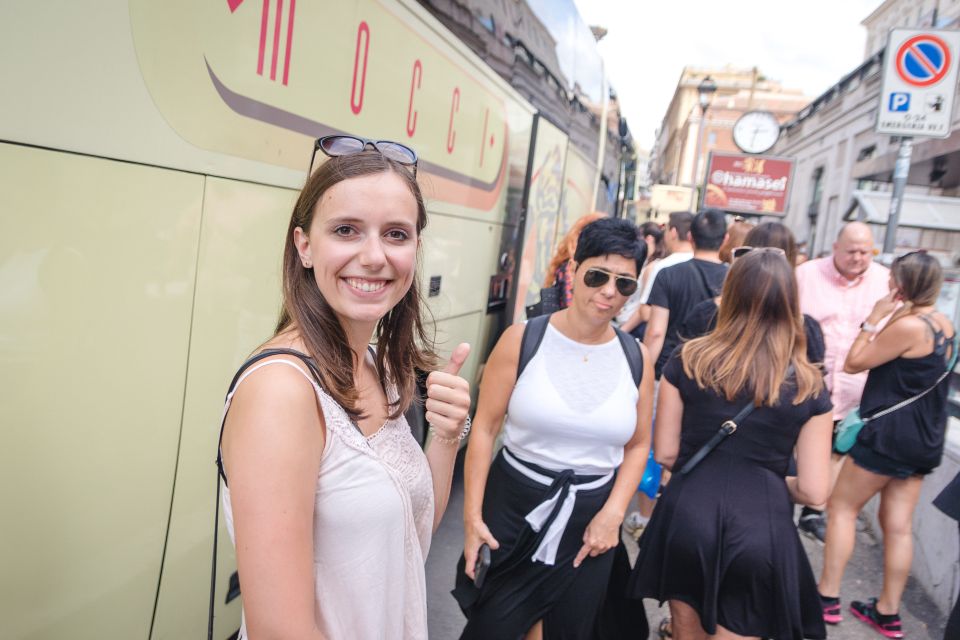
The tour runs 2.5 to 3.5 hours depending on the time slot you choose. That range matters because this is not “sit in a bus and pop out.” You’re alternating between coach time and walking time, then moving through indoor spaces that can feel cooler and darker than you expect.
What to wear:
- Comfortable shoes with grip
- A layer for the underground chill
- No shorts or sleeveless shirts (church rules are enforced)
- Skip anything that’s likely to be tricky to manage in crowded entries like bulky bags
What to expect physically:
- The catacombs and crypt spaces involve uneven walking and up/down movement.
- If you’re traveling with mobility limits, the tour states it can’t accommodate wheelchairs or special assistance needs.
- If you’re bringing kids, note that strollers aren’t allowed.
Photo expectations:
- There are some limits on photography in the underground parts. Plan to treat this as a “remember it” experience, not a “shoot it like a gallery” experience.
Price and value: why $74-ish can make sense here
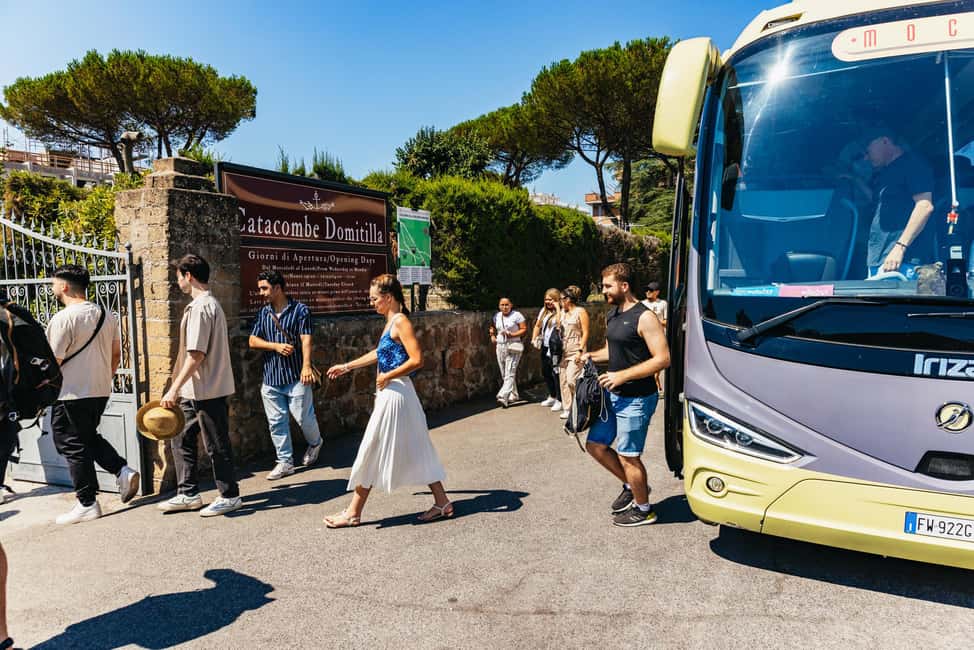
At about $74.02 per person, you’re paying for more than three tickets. You’re paying for:
- Coach transfers that reduce the walking stress between sites
- Skip-the-line access at all three stops
- A mix of self-guided audio (Capuchin Crypt) and guided interpretation (catacombs and Basilica)
That’s where the value comes from. If you tried to string these stops together on your own, you’d spend more time coordinating entry times, lining up, and figuring out how the sites connect thematically. Here, the pacing is designed to fit a half-day.
Is it worth it? For me, yes, if you want a curated route where each stop answers a different question:
- Why do we build bone art and devotional spaces?
- What did early Christians do underground?
- How does a church use Rome’s older foundations as a living stage?
If you’re only interested in one site, then you may prefer a single-site ticket. But if you like seeing the full stack—artifacts, burial culture, and church architecture—this route is efficient.
After-hours option: shorter, darker, and without the basilica
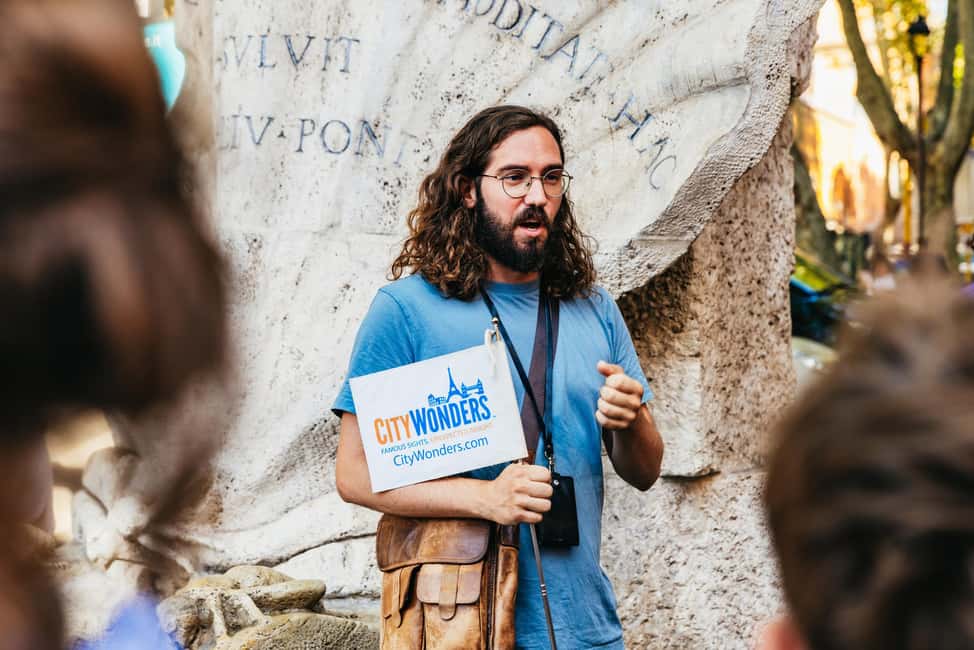
There’s also an Exclusive After Hours version. It’s described as a shorter 2.5-hour experience focused on the Capuchin Crypt and Rome Catacombs. The key change: it does not include the Basilica of San Martino ai Monti.
I like the concept for people who want more atmosphere and less daylight logistics. Underground spaces can feel different after hours, even if you don’t know exactly how you’ll feel until you’re inside. If you’re already sold on the crypt-and-catacombs theme and you don’t want the church component, this option can be a better fit.
Just be aware of the shorter duration. You’re trading the extra third stop for more time and mood in the underground focus.
Who should book this tour (and who might not love it)
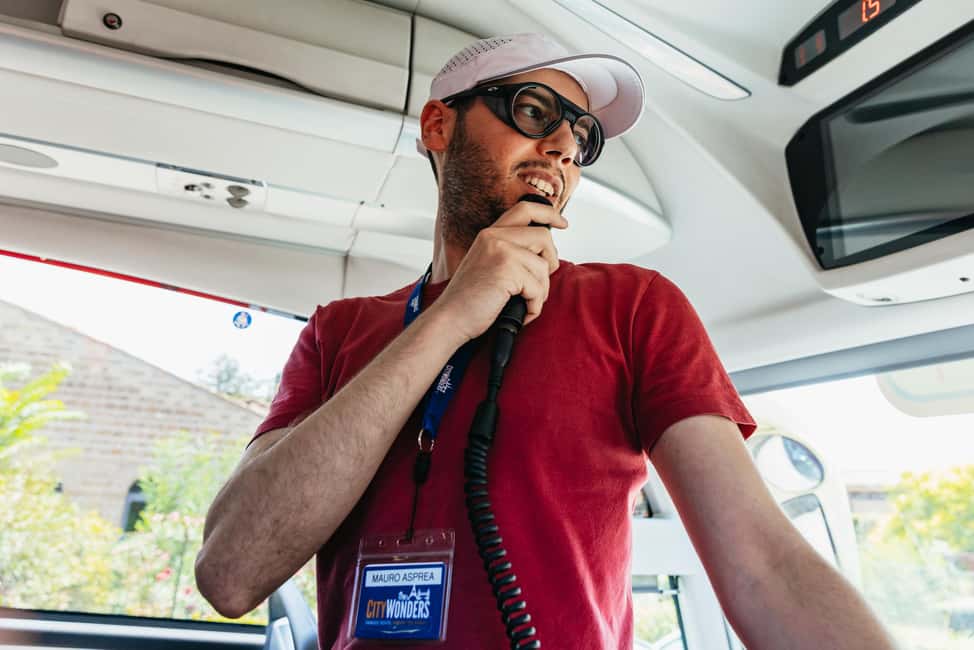
Book it if you:
- Like Rome stories that go past the usual postcards
- Want guided context in the catacombs, not just walking around
- Enjoy religious history even if you’re not deeply tied to it
- Prefer tours that keep you moving efficiently, with skip-the-line access
Skip it or think twice if you:
- Have limited mobility or need wheelchair-friendly access (the tour is not suitable)
- Hate cramped underground spaces
- Want a very slow pace with lots of spare time at the first stop
- Are traveling with a stroller or baby carriage (not allowed)
My practical verdict: should you book?
If your idea of a great Rome day includes air-conditioned comfort on the rides and then real, hands-on underground history, I think you’ll be happy with this one. The Capuchin Crypt is memorable and unique, the Roman Catacombs turn early Christian history into something you can feel, and the Basilica of San Martino ai Monti ties the day back to Rome’s bigger religious layers.
The main reason not to book is simple: you need to be okay with cold, damp underground spaces and a route that can feel a bit tightly timed, especially early on. If that sounds fine, this is a solid way to see Rome from the bones outward.
FAQ
What’s the duration of the Rome crypts and catacombs tour?
The tour lasts about 2.5 to 3.5 hours, depending on the starting time you select.
Where do I meet the guide?
Meet in the center of Piazza Barberini, by the large Triton fountain, near the Barberini metro stop on Line A (red line).
What sites are included on the day tour?
You visit the Capuchin Crypt, the Roman Catacombs, and Basilica of San Martino ai Monti.
Are skip-the-line tickets included?
Yes. The tour includes skip-the-line entry at all three sites.
Is the Basilica of San Martino ai Monti visit guaranteed on Sundays?
No. On Sundays, the church visit is not guaranteed due to liturgical activities.
Is this tour suitable for wheelchair users?
No. The tour states it cannot accommodate guests with wheelchairs or mobility impairments requiring special assistance.