REVIEW · ROME
Rome: City Highlights Electric Bike Tour
Book on GetYourGuide →Operated by Bicycle Roma · Bookable on GetYourGuide
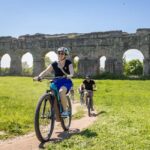
Rome looks different at bike speed. This 4-hour electric bike tour threads major landmarks and quieter back streets, so you get close to ruins, Renaissance art, and Baroque fountains with less strain on your legs and knees using an e-bike.
What I like most is that the ride feels fun and efficient, not like a workout that steals your attention from the city.
I also love the way the guide brings the stops to life. You’ll hear local anecdotes as you glide along the Tiber bike path and into squares you might miss if you’re only following the biggest names.
One thing to consider: you need a minimum cycling level and you must be comfortable riding in Rome’s streets. The operator chooses quieter roads, but light traffic can be unavoidable, and the guide can turn you back if you’re not fit to ride or if health concerns come up.
In This Review
- Key things that make this tour worth your time
- Why an e-bike City Highlights tour works so well in Rome
- Getting started by the Tiber: you ease into the ride
- From Circus Maximus to the Colosseum: ancient scale without the full-day grind
- Piazza Venezia and the Jewish Ghetto: two very different Rome feelings
- Campo de’ Fiori and Piazza Navona: market energy meets Baroque drama
- Castel Sant’Angelo and St. Peter’s: riverside-to-Rome’s-spine views
- Pantheon to Trevi: domes, streets, and the famous-crowd test
- Piazza di Spagna and Piazza del Popolo: the “yes, this is Rome” finale
- How the guide keeps the ride safe and enjoyable
- E-bike vs mountain bike: what it means for your body
- What the tour includes, and why $80 can feel like real value
- Who should book this tour, and who should skip it
- Practical tips so you have an easy, photo-ready day
- Should you book the Rome City Highlights Electric Bike Tour?
Key things that make this tour worth your time
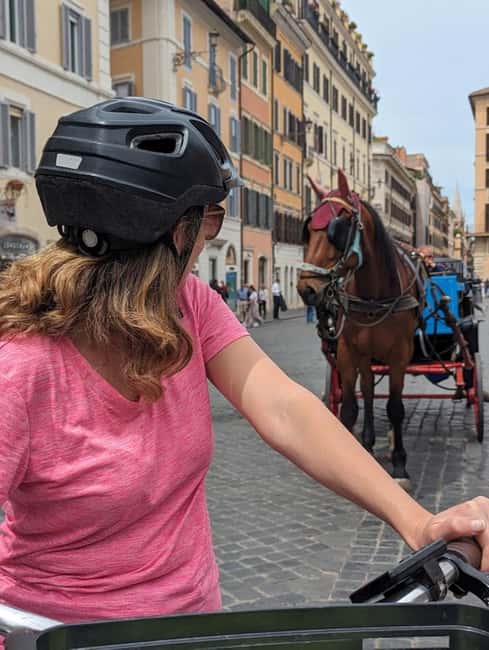
- Quiet-road route choices plus constant guide support, so the ride stays calm even in a crowded city
- Big sights, short stops: you see more in 4 hours, then keep moving instead of waiting in long lines
- Photo-friendly pacing with frequent opportunities to stop and capture the best angles
- Tiber bike path time for smoother, more scenic riding than constant street traffic
- Small groups (up to 8 per guide), which makes it easier to pause, regroup, and ask questions
Why an e-bike City Highlights tour works so well in Rome
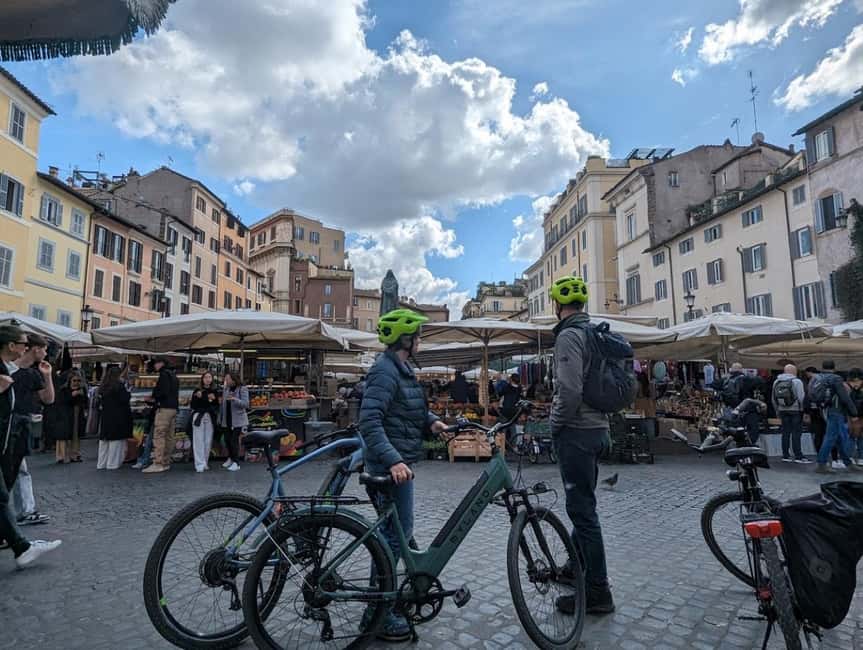
Rome is glorious, but it can be exhausting. Between hills, crowds, and long walking distances, a half-day can vanish fast. An e-bike tour is a smarter way to get your bearings because it trades heavy sightseeing labor for motion and momentum.
What you’re buying here is coverage with context. In a few hours you’ll move through the city’s major “wow” zones—Colosseum area, Piazza Venezia, Piazza Navona, Castel Sant’Angelo, St. Peter’s vicinity, and the Trevi/Spanish Steps corridor—while still getting side-street views that help it feel like a real city, not just a photo scavenger hunt.
And the electric assist matters. People often expect an e-bike to feel like an automatic ride, but the reality is you still pedal, just with help. That makes it easier for first-timers while still keeping the ride controlled.
You can also read our reviews of more cycling tours in Rome
Getting started by the Tiber: you ease into the ride
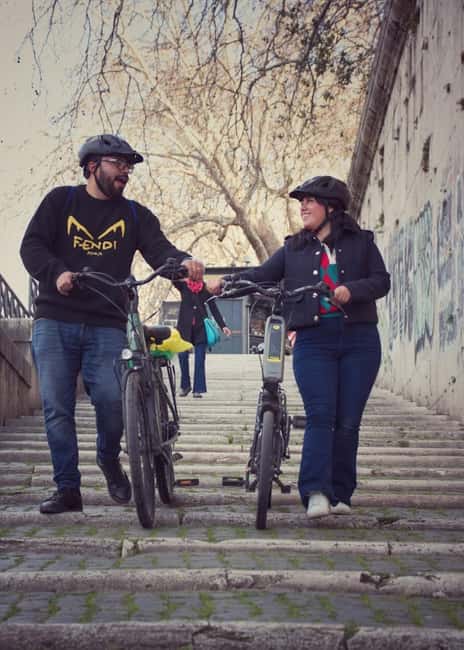
Most departures start at Lungotevere delle Armi (two equivalent meeting options listed). The first part of your tour sets the tone: you’re not jumping straight into chaos. Instead, you begin near the river area where it’s easier to settle in, adjust your helmet cover, and get comfortable with the bike before the iconic-photo portion of the day.
The tour starts with a brief guided moment at Tiber Island, then you roll on. That early start is useful because Rome’s streets can feel chaotic if you’re already tired. Here, you’re building confidence while the city is still waking up.
If your guide is the kind who actively teaches bike basics (many guides on this route are patient and clear about how to handle the bike), you’ll leave the initial minutes feeling like you understand what to do when you need to slow down, stop, or cross a busier street.
From Circus Maximus to the Colosseum: ancient scale without the full-day grind
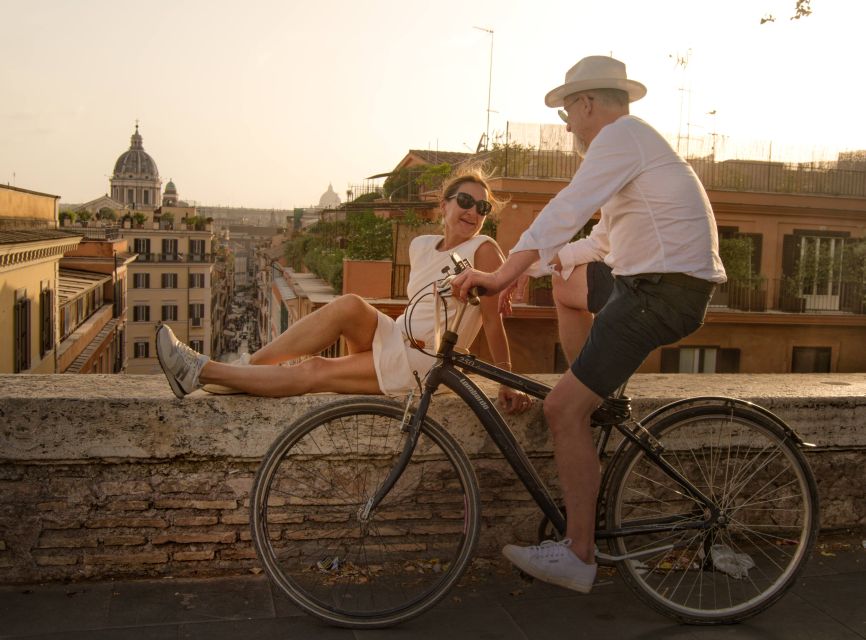
Next comes Circus Maximus. Even when you only get a short photo stop, it’s one of those places that resets your brain: the scale of ancient Rome is hard to grasp until you stand near the locations where big events once spilled into the streets.
Then you reach the Colosseum area for another photo stop. This is where you should plan your expectations. You won’t get a long museum-style experience here. The point is the instant impact: the façade view, the classic angles, and the chance to take your photos before the crowd pressure builds.
One practical note from real-world experience: at very busy sights, you may need to walk the bike a bit. That’s normal in Rome, and it’s usually temporary. You’re still doing the smart thing by staying mobile with the group the rest of the time.
Piazza Venezia and the Jewish Ghetto: two very different Rome feelings
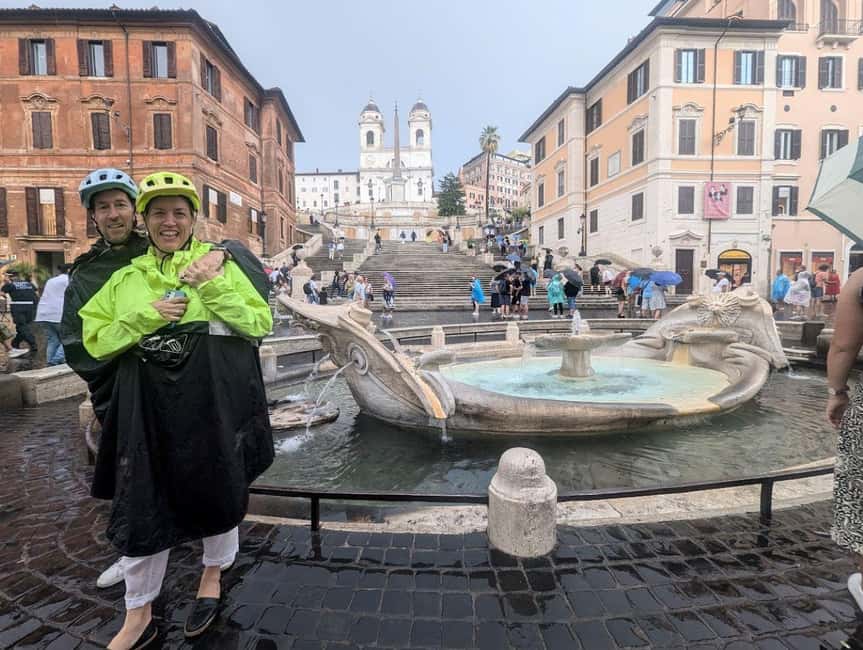
After the Colosseum zone, you pass through Piazza Venezia. This square is a great “connective tissue” stop because it anchors you geographically. From here, Rome makes more sense. It’s easier to understand where the city’s historic power centers sit, and it helps when you later explore on foot.
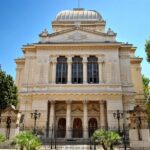
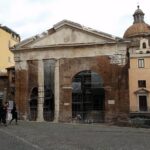
Then you bike toward the Jewish Ghetto area for a short guided segment. Even with a brief stop, this neighborhood adds depth because it’s not only about grand monuments. It’s about layers of community, tradition, and survival in the urban fabric. A good guide will steer you toward what to notice right away—street layout cues, architectural rhythms, and small details that signal history even when the area feels lively and modern today.
Campo de’ Fiori and Piazza Navona: market energy meets Baroque drama
Campo de’ Fiori is a perfect Rome contrast stop: it’s a square that feels social and daily-life real, not staged for tourists. The quick photo break is enough to soak in the vibe and keep momentum.
Then you reach Piazza Navona, one of Rome’s most visually satisfying squares. This is classic Baroque energy—fountains, building façades, and a layout that turns your bike pause into a little stage. You’ll want to slow down mentally even if the schedule keeps rolling, because Navona is the kind of place where details reward a lingering glance.
If you like a guide who calls out photo angles, this is often where it pays off. Many guides on this route are also the type to step in and help with group shots, especially when bikes are paused safely and everyone can line up.
You can also read our reviews of more city tours in Rome


Castel Sant’Angelo and St. Peter’s: riverside-to-Rome’s-spine views
Next is Castel Sant’Angelo. The real value here isn’t only the monument itself—it’s the way you approach it. You get city views that you don’t get from inside tour-bus corridors. When the timing lines up, it feels like the tour is unfolding Rome as a moving panorama.
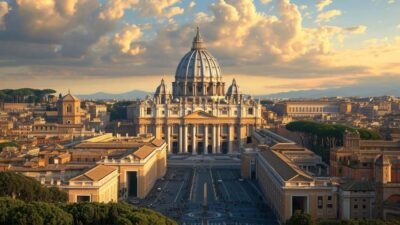
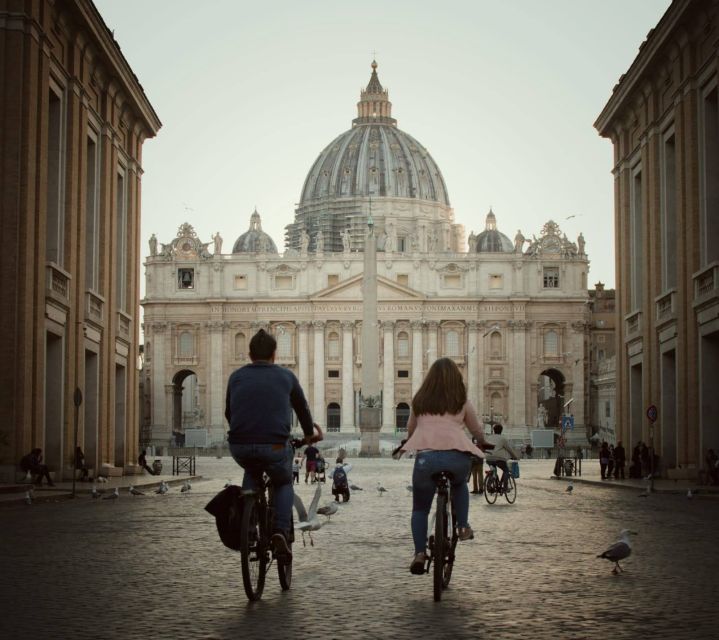
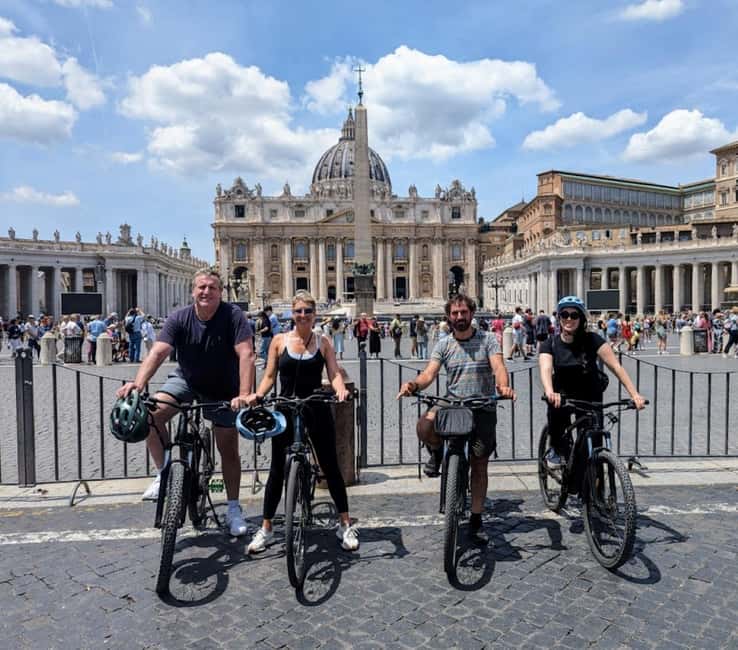
After that you reach St. Peter’s Basilica for a photo stop. Again, it’s not a long visit. The purpose is seeing the scale and getting a clear “this is where it is” reference for later. If you plan to do a full St. Peter’s visit afterward, this stop helps you do it with more confidence.
This is also a good moment to remember your bike pacing. Rome crowds can spike fast around major religious landmarks. If the guide directs you to move on quickly for safety or crowd flow, go with it. You’re not losing the sight—you’re protecting the group experience.
Pantheon to Trevi: domes, streets, and the famous-crowd test
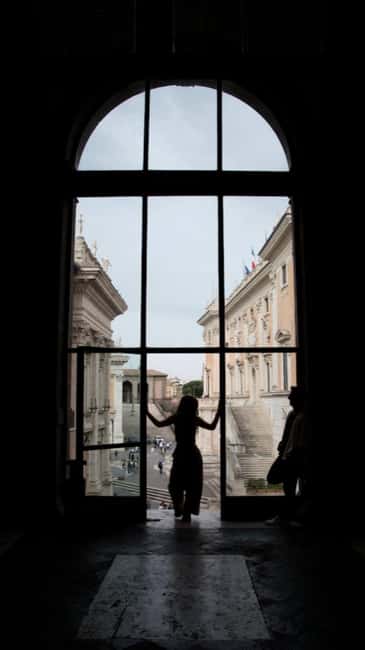
You’ll then reach the Pantheon area for another photo stop. The Pantheon is one of those monuments that looks instantly impressive from the street. Even if you don’t go inside during this tour window, the exterior and its urban setting already tell you why the Pantheon changed architectural thinking.
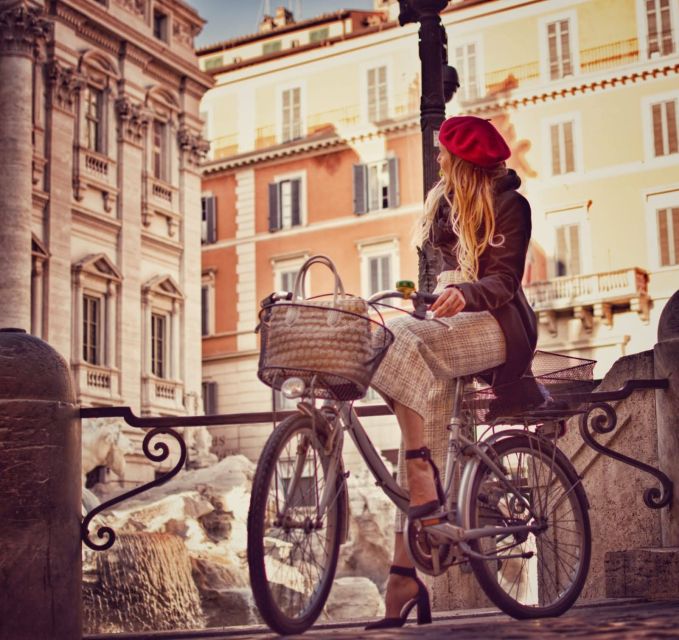
Then comes Trevi Fountain. This is one of the most photographed places in the world, and that means it can become a slow zone in peak times. The good news is the bike tour approach lets you arrive in the right order with the group, instead of forcing you to fight for positioning alone.
Expect a short stop. You’ll take photos, feel the buzz, and then move. If you’re someone who likes breathing space, you can time your photos quickly and step out as soon as the guide signals to keep the flow moving.
Piazza di Spagna and Piazza del Popolo: the “yes, this is Rome” finale
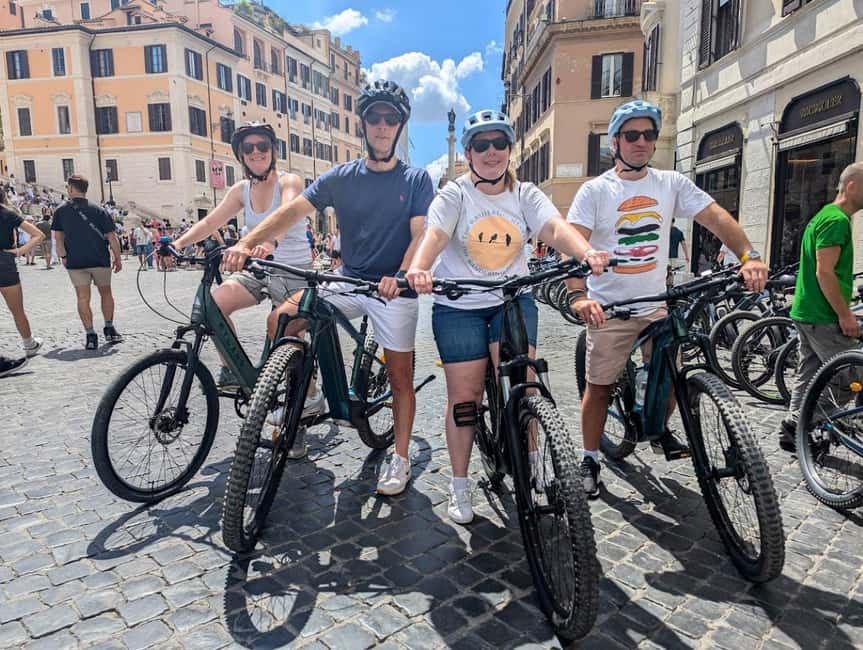
The route continues to Piazza di Spagna (Spanish Steps area). Even in a short photo stop, the stair-and-street layout reads clearly. It’s also a helpful point to gauge how you want to spend the rest of your day—this is the part of Rome where you might later explore side streets for shopping, gelato, and viewpoints.
Finally, you reach Piazza del Popolo, another iconic endpoint feel. The square works as a grand finish because it’s open, readable, and often offers a strong “we’re done, now we can walk” vibe.
How the guide keeps the ride safe and enjoyable
Safety here isn’t treated like a boring policy section. It’s treated like actual behavior. The operator favors quiet roads with little traffic, and guides ride with you at all times. They also do a pre-departure test to confirm you can handle the bike.
That test is there for a reason. You’re in a historic center where crosswalks, narrow streets, and sudden crowd swells can happen. When the group stays predictable and the leader is watching spacing, it becomes relaxing instead of stressful.
In the field, I’ve seen how much a guide matters on a bike tour like this. Guides such as Daniela, Giorgio, Martina, Ricardo, Fabio, Noam, Marco, and Alessio show up in different groups and keep the experience grounded in real communication—patient explanations for how the bike works, frequent safety checks, and clear direction through busier stretches.
Also, the group size helps. With a maximum of 8 guests per guide, you’re less likely to get separated or stuck waiting while the slowest rider (or the unsure rider) catches up.
E-bike vs mountain bike: what it means for your body
You’ll get either an e-bike or a mountain bike depending on the selected option. The obvious difference is effort. But there’s also a second effect: how confident you’ll feel in Rome’s stop-and-go moments.
If you’re on an e-bike, expect electric assist while still needing to pedal. That setup usually works well for first-time riders and families, and it’s why many people book this as a way to save their legs.
If you’re on a mountain bike option, it still means cycling, just with less help. You’ll need to feel comfortable staying steady for the full 4 hours.
Age rules matter too: the minimum age to operate an e-bike is 12. Children can ride with a provided child seat if needed, and infants up to 20 kg/44 lbs ride free in the child seat. If a child is under 139 cm/4 ft 7 in, they must use a bike extension (tag-along/trailer).
What the tour includes, and why $80 can feel like real value
At about $80 per person for 4 hours, the question isn’t just the sticker price. It’s what’s bundled.
You get:
- A local guide (the real driver of the experience)
- The bike (e-bike or mountain bike depending on your selection)
- Helmet cover
- Poncho if it rains
- Child bike seat if needed
In Rome, bike time can replace multiple tickets or expensive transport runs, especially if you’re trying to cover a lot of historic ground in a short window. And because you’re not burning your day fighting lines and walking distances, the value shows up as saved energy for the rest of your trip.
One more small tip: plan on carrying some cash if you want to tip. Some guides operate with the assumption that tips are handled in person and not via credit-card add-ons.
Who should book this tour, and who should skip it
This is a great fit if you:
- can ride a bike (at least at a basic level)
- want to see the main sights plus a few lesser-known corners
- prefer a structured route with frequent photo stops
- want a guide to help you notice what you’d otherwise miss
It’s not a good fit if you:
- are pregnant
- have mobility impairments, use a wheelchair, or have vertigo
- have heart problems or recent surgeries
- can’t ride a bike
- are over 220 lbs (100 kg)
- have low fitness for sustained cycling
Also, no pets are allowed.
If you’re traveling with teens, mixed ages, or a family group, the small size and guide support can make a big difference. Many people love this because it handles the “who’s tired first” problem better than pure walking tours.
Practical tips so you have an easy, photo-ready day
Here’s how to make your 4 hours feel smooth.
- Bring a passport or ID card and wear comfortable clothes.
- Bring water. Even with electric assist, you’ll be riding and stopping for photos.
- If it rains, use the poncho right away. It’s provided, and it helps you keep moving instead of deciding to quit.
- Don’t assume the bike is completely hands-off. You’ll be expected to pedal and follow the guide.
- If you’re nervous about traffic, trust the route logic: quiet roads first, then quick transitions through busier pockets when the group is ready.
Finally, be ready to move with the group. The schedule is designed so you see a lot without turning the day into a slow crawl.
Should you book the Rome City Highlights Electric Bike Tour?
Book this if you want a fast, fun overview that feels like Rome—ancient sites, major squares, fountains, and riverside riding—without draining your legs for the rest of the trip. The small group size, the emphasis on quiet-road routing, and the high guide engagement (from patience to photo help) are exactly what make this kind of tour work.
Skip it if you can’t ride confidently, you have health limitations that prevent cycling, or you’re expecting a long stop for each monument. This is a ride-and-see tour, not a slow museum day.
If you’re planning your first trip and want to get oriented in a single morning or afternoon, this is one of the cleanest ways to do it.