REVIEW · ROME
Rome: Catacombs of Priscilla Entry Ticket & Guided Tour
Book on GetYourGuide →Operated by OPERA ROMANA PELLEGRINAGGI · Bookable on GetYourGuide
The catacombs of Priscilla are quietly intense.
I love how this guided tour turns a simple 45 minutes underground into a real lesson in early Christian life, burial customs, and the art they left behind. You’ll hear why these catacombs have a different origin than some other Roman sites, and you’ll move through spaces used for funeral commemoration long before most of Rome’s famous landmarks even became famous.
Two things I especially like: the still-intact early Christian frescoes (some viewers point out especially moving Marian imagery discussed on tour), and the small group size that keeps the guide’s explanations clear, even in narrow passages. One drawback to keep in mind: this is not an easy visit—strollers aren’t allowed and it’s listed as not suitable for people with mobility impairments, so you’ll want to plan accordingly.
In This Review
- Key things to know before you go
- Why the Catacombs of Priscilla feel different from Rome’s big-name stops
- Getting there and meeting on time (so you don’t lose the tour)
- Two floors underground: what you’ll see on the guided route
- The Acili hypogeum and inscriptions: why names matter underground
- Martyrs and popes: Felice, Filippo, Felicita, and the long timeline
- Cryptoporticus and the Greek Chapel: where Roman and Greek worlds overlap
- Frescoes and early Christian art: how to actually enjoy what you can’t photograph
- Comfort, rules, and who should skip this tour
- Duration, group size, and tour language: making the most of 45 minutes
- Is it worth $16 in Rome? A value check
- Should you book the Catacombs of Priscilla?
- FAQ
- How long is the Catacombs of Priscilla guided tour?
- What languages are offered for the guided tour?
- Where do I go to start the experience?
- Is photography allowed inside the catacombs?
- Are baby strollers permitted?
- Is the tour suitable for mobility impairments?
Key things to know before you go
- Via Salaria setting: You’re not in the Rome postcard center; you’re heading to a quieter, more historical pocket of the city.
- Two floors underground: Expect a mix of irregular galleries and built-up burial areas.
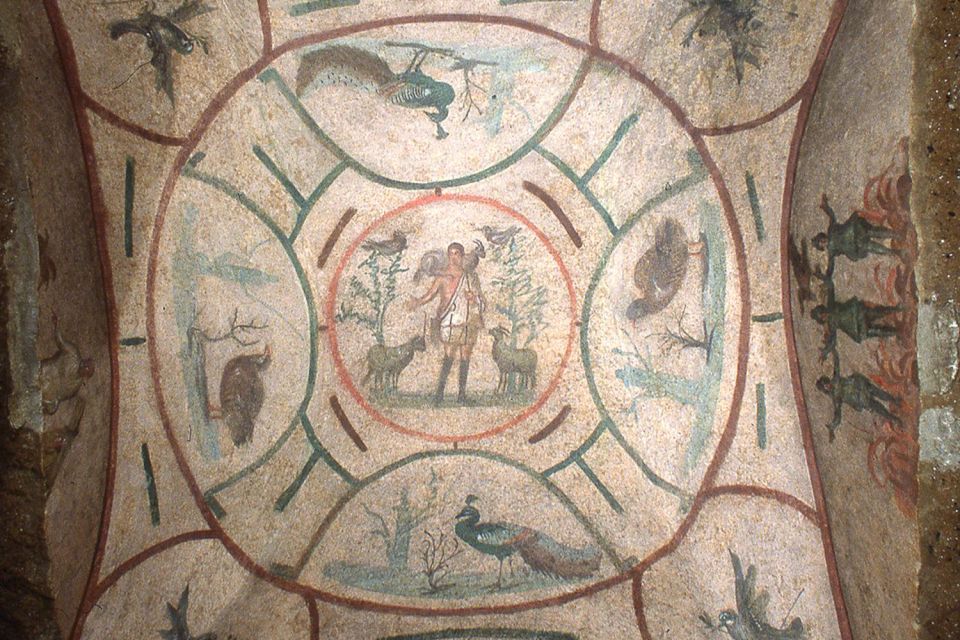
- Third-century Christian art: You’ll focus on early Christian frescoes and the meaning behind the painted messages.
- Small groups (max 10): Narrow spaces feel more manageable when the group stays small.
- No photos inside: You’ll enjoy the art with your eyes only.
- Short but packed (45 minutes): This is designed as a focused visit, not a long wandering day.
Why the Catacombs of Priscilla feel different from Rome’s big-name stops
Rome has a way of making you chase the famous stuff—then suddenly you find yourself underground. The Catacombs of Priscilla aren’t about crowds, speed, or photo stops. They’re about ritual and memory: how early Christians commemorated the dead, gathered, and left visual reminders of hope.
What makes this tour especially worthwhile is the mix of archaeology and storytelling. The site was first an arenarium (a type of stone-sand quarry area), then abandoned, and only later adapted for Christian use. That change over time matters because it helps you understand these spaces as living places, not just empty rooms.
Also, the guide can make the underground layout feel logical. You’re not just walking in the dark—you’re moving through areas connected to families, martyrs, and even popes. That turns the visit from spooky-cool to genuinely meaningful.
You can also read our reviews of more tours and experiences in Rome


Getting there and meeting on time (so you don’t lose the tour)
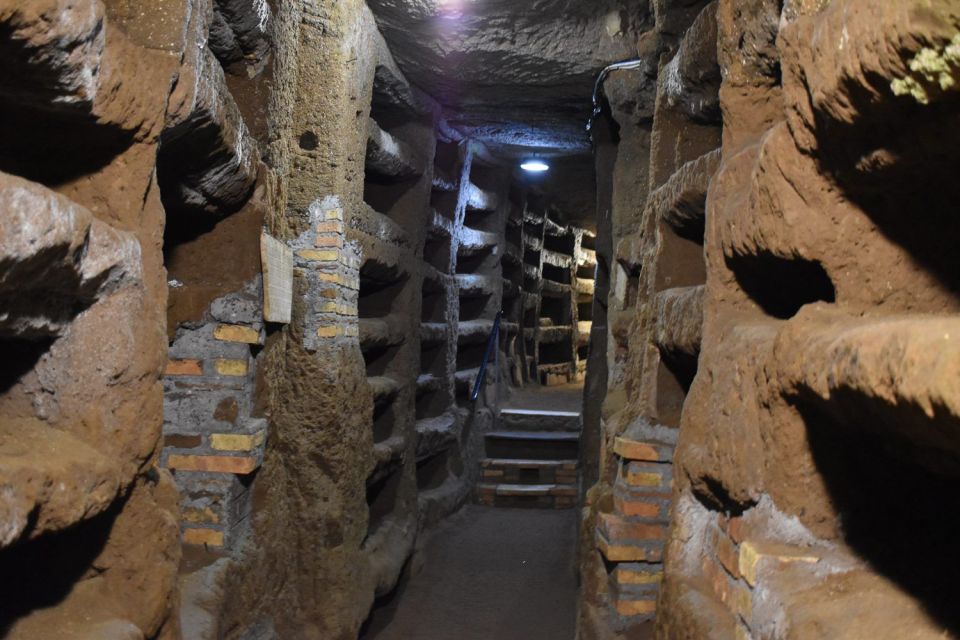
The catacombs are on Via Salaria, and your ticket includes entry plus a guided tour. Transportation and hotel pickup aren’t included, so I suggest you plan your own bus/taxi/walk connection ahead of time.
Your meeting instructions are straightforward: go directly to the catacomb ticket office and show your reservation at least 10 minutes before your scheduled tour. In a place like this—where entry happens at specific times and you’ll walk through tight areas—being late can mean missing the start.
One more practical note: the catacombs are underground, so you’ll likely feel cooler than at street level. That’s a simple comfort win if you’re visiting in warmer months.
Two floors underground: what you’ll see on the guided route
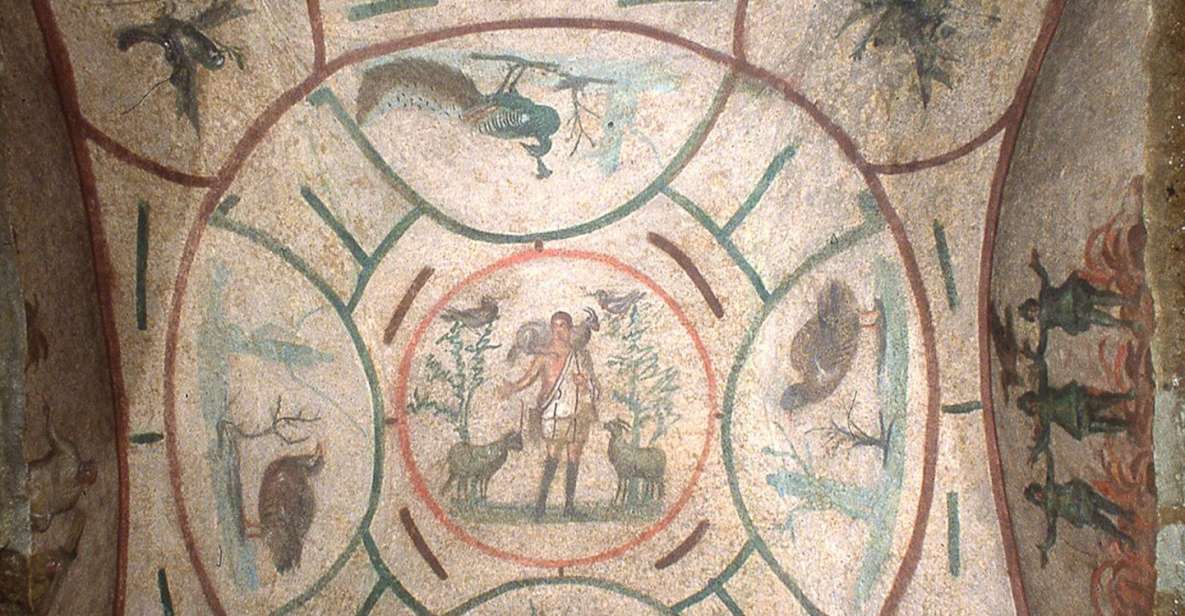
The Catacombs of Priscilla are spread over two floors, and the tour is designed to cover the highlights in 45 minutes. You’ll start by getting oriented, then follow the route through the underground burial spaces.
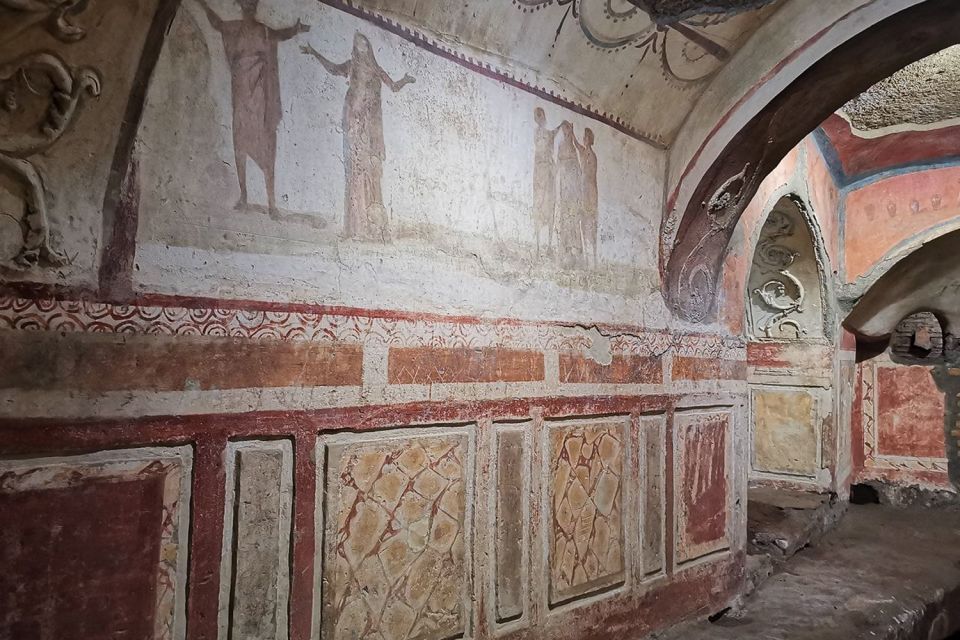
On the first floor, you’re in large, irregular galleries. Christians began using these around the beginning of the third century, building around twenty niche tombs and then digging hundreds of niches into the walls. This is where the catacomb experience turns from a tunnel walk into something you can read: these weren’t random holes. They were part of a system of burial and commemoration.
The experience also benefits from how actively the area is being studied. Even if you only have a short time, you can still sense that this isn’t a frozen, pretend set. The tour format keeps you moving, but you still get time to look at the painted surfaces and understand what you’re seeing.
In smaller underground spaces, group flow matters. Since the tour is capped at 10 participants, the guide can keep control of movement and help you see what matters without everyone getting separated in the twists and turns.
The Acili hypogeum and inscriptions: why names matter underground
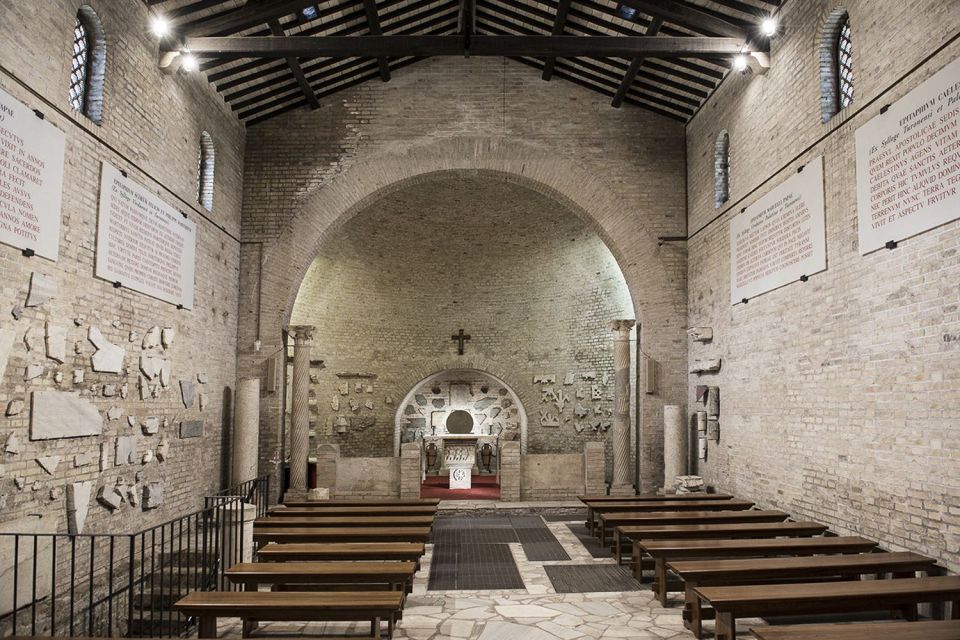
One of the more fascinating parts of Priscilla is connected to the Acili family. The catacomb’s name is linked to a Priscilla associated with the Acili senatorial family, and inscriptions found in the hypogeum of the Acili are part of the reason this site is so historically legible.
Here’s the key idea for your visit: the hypogeum of the Acili was originally a cistern of water. Later, it became part of the Christian burial landscape, and the Acili inscriptions were discovered and exhibited. So even if you’re not reading Latin, you’re seeing how archaeologists connect people’s names to physical spaces.
When your guide ties inscriptions to real families and real neighborhoods in ancient Rome, the catacombs stop being “mysterious tunnels” and start becoming a record. That’s the difference between a basic attraction and a site with real research behind it.
Martyrs and popes: Felice, Filippo, Felicita, and the long timeline
Early Christian catacombs work like a history book written in stone and paint. In Priscilla, the timeline is especially strong because the site includes stories of both martyrs and popes.
The martyrs often highlighted include the brothers Felice and Filippo, who were martyred—probably under Diocletian—along with their mother St. Felicita. You’ll also hear about several other brothers connected with them: Alessandro, Marziale, Vitale, Silano, and Gennaro.
Then the story expands to include the burial of numerous popes. The list tied to Priscilla includes Marcellino (296–304), Marcello (308–309), Silvestro (314–335), Liberius (352–366), Siricius (384–399), Celestino (422–432), and Vigilius (537–555).
Why that matters for you: it shows that this wasn’t only a local burial ground. It became part of the wider Christian memory of Rome. Even if your interests are strictly art or strictly history, those names give the underground rooms weight.
Some of the tour’s emotional punch comes from the way the guide connects the physical niches to the practice of commemoration. It’s not just, here are bones—rather, it’s, here is how a community preserved meaning when life was risky and faith was costly.
You can also read our reviews of more guided tours in Rome






Cryptoporticus and the Greek Chapel: where Roman and Greek worlds overlap
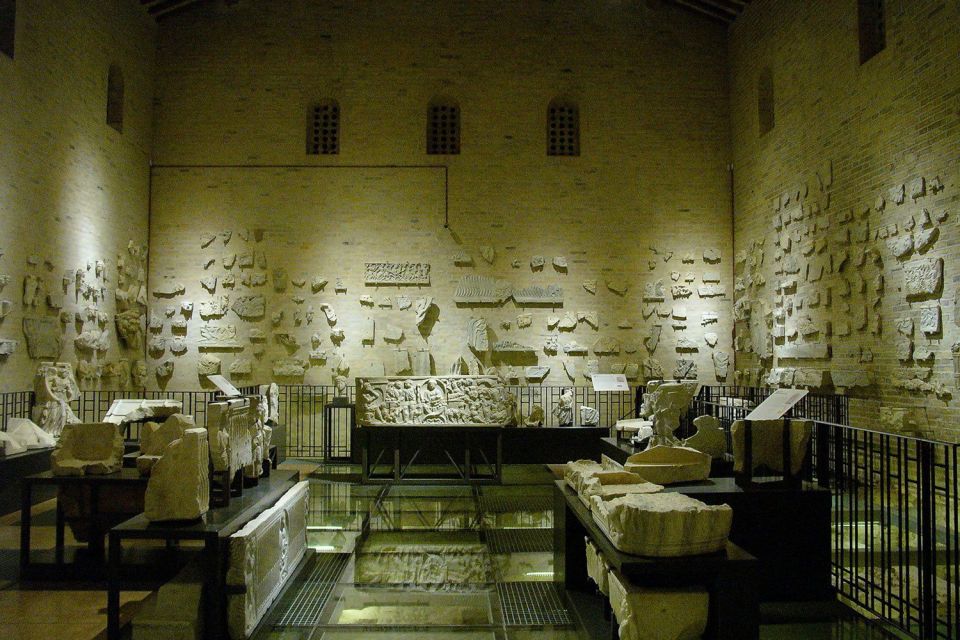
Beside the catacombs is an important adjacent area: the cryptoporticus, which includes the Greek Chapel and a larger underground environment.
This area has a different origin story. It began as a noble family burial ground, and later it was connected to the catacomb complex. That means you get an extra layer of context: it’s not only Christian burial space. It’s also a record of how elite Romans structured memorial spaces underground—and how those spaces were reinterpreted over time.
If you like when architecture explains culture, this part can feel especially satisfying. Even in a short tour, the guide can help you see why “underground” didn’t mean “all the same.” Different communities shaped these spaces differently, and the built environment reflects that.
Frescoes and early Christian art: how to actually enjoy what you can’t photograph
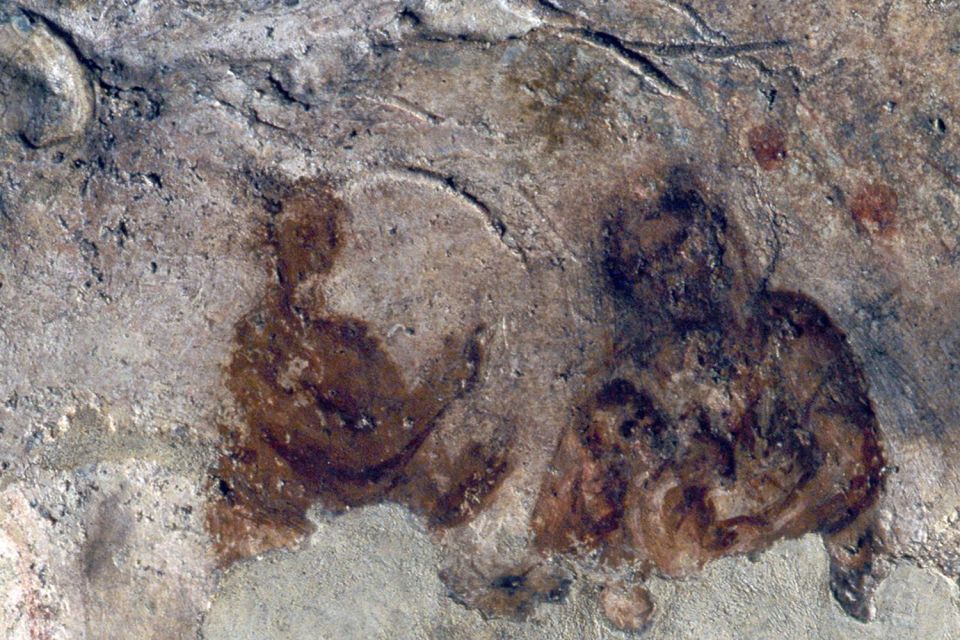
Photography inside is not allowed, and that’s a blessing in disguise. It slows you down. You look with your whole attention instead of scanning for shots.
One recurring highlight from tour experiences is the way the guide points out ancient Christian artwork—often described as very old frescoes still preserved in places, including imagery some visitors single out as uniquely memorable. The guide’s tone can make you notice details you’d miss if you were trying to beat your phone camera.
Also, the tour is short—so don’t worry about taking notes every second. Instead, use a simple strategy:
- Pick two or three spots where the art or inscriptions are explained.
- Let the rest wash over you as atmosphere and context.
The catacombs aren’t a full museum crawl. They’re a guided reading experience. If you keep that mindset, you’ll get more out of it than if you treat it like a quick photo stop.
Comfort, rules, and who should skip this tour
This is where you should plan smart. The tour isn’t built for everyone.
Rules to note:
- No baby strollers
- No photography inside
And the big one for comfort: it’s not suitable for people with mobility impairments. That doesn’t just mean “stairs.” Underground routes tend to involve uneven ground, tight passages, and sustained standing/walking in enclosed areas. If you have any mobility concerns, you’ll be happier choosing a different Roman experience designed for easier access.
One more realistic expectation: it’s not trying to feel like the Colosseum. Some people go in expecting a huge wow effect and leave thinking it’s smaller and more intimate than they expected. That’s normal. The value here is the art, the names, and the underground atmosphere, not a massive open-air spectacle.
Duration, group size, and tour language: making the most of 45 minutes
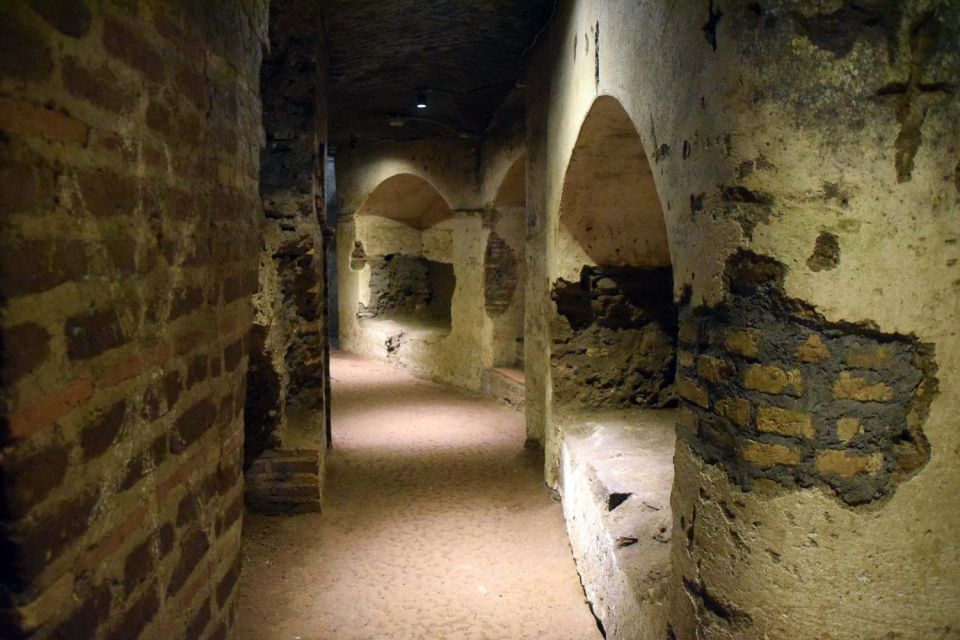
The tour runs about 45 minutes, and start times depend on availability. It’s listed as a small group experience capped at 10 participants. In tight spaces, fewer people is a real advantage. You hear better, you move better, and the guide can keep the group together.
Languages offered are Italian, English, and Spanish. If you’re booking based on language, double-check your selection so you’re fully comfortable with the explanations. Some visitors mention moments where language clarity could be better, so don’t assume every guide will pitch the same tone and pacing in every language.
Also, names pop up in the experience descriptions. Sister Lydia (and variations like Sister Lidia) is mentioned in multiple experiences, along with guides such as Alexandra, Clara, and others. The common theme: the guides tend to bring energy, context, and a story-driven approach that makes the rooms feel less like random tunnels.
Is it worth $16 in Rome? A value check
At $16 per person, this is priced like an add-on you can fit into your schedule—especially if you’re already doing the usual hits like the Colosseum or Trevi. But it’s more than a cheap detour because the tour gives you something those sites can’t: early Christian burial art and a lived-in view of how faith shaped daily ritual.
You also get a guided component. For many people, the guide is the difference between seeing an underground corridor and understanding why it mattered. With the small group limit, you’re not just paying for access—you’re paying for interpretation.
The tradeoff is the short duration. If you crave a long, slow walk with lots of time to linger, you might feel the clock quickly. But if your goal is “short, meaningful, and not crowded,” this price-to-time ratio is strong.
Should you book the Catacombs of Priscilla?
Yes—if you want a quieter, more reflective side of Rome. I’d book it if you’re interested in early Christian art, burial customs, and the way archaeology can explain faith through space and symbols.
I’d hesitate if you need step-free access, if you’re traveling with a stroller, or if you’re looking for the kind of huge spectacle that dominates the Roman skyline. This tour is intimate and thought-provoking, not grand and loud.
If you’re the type who likes to understand what you’re seeing—even when it’s underground—Catacombs of Priscilla is a smart, high-value use of one Rome afternoon or morning.
FAQ
How long is the Catacombs of Priscilla guided tour?
The tour lasts about 45 minutes.
What languages are offered for the guided tour?
Tours are available in Italian, English, and Spanish.
Where do I go to start the experience?
Go directly to the ticket office of the catacomb and show your reservation at least 10 minutes before the scheduled tour time.
Is photography allowed inside the catacombs?
No. Photography inside the catacombs is not allowed.
Are baby strollers permitted?
No. Baby strollers are not allowed.
Is the tour suitable for mobility impairments?
No. The tour is listed as not suitable for people with mobility impairments.