REVIEW · ROME
Colosseum Guided Tour
Book on Viator →Operated by Discover Rome Tours · Bookable on Viator
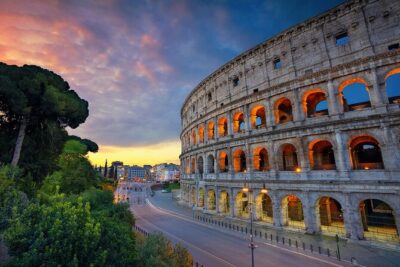
The Colosseum hits harder when you step inside. This guided Colosseum tour is built around smart access: you don’t just look from the outside, you get into the monument’s key levels, with a guide explaining how Roman engineers, gladiators, and staged spectacles worked together. It also pairs with an included ticket for the Roman Forum and Palatine Hill, so your Colosseum visit can turn into a fuller day of ruins.
I love that you get the kind of vantage points most people miss when they DIY—arena-floor access plus the first level and a panoramic second tier view. I also like the time-and-crowd planning: you choose time slots, including an early option that helps you experience the site with less chaos.
One thing to keep in mind: in a building packed with hundreds of people, audio can occasionally be unreliable, and a fast-moving group can make the tour feel less comfortable if you’re sensitive to hearing or timing.
In This Review
- Key things I’d focus on before you go
- Entering the Colosseum: where your time actually goes
- Arena floor and first-level walk-through: what to look for
- The “panoramic” second tier: turning chaos into a view
- Gladiators, staged battles, and what the stories add
- Timing and time slots: beating crowds without burning your day
- What’s included: the value breakdown that matters
- Roman Forum and Palatine Hill ticket: don’t waste the second ticket
- The biggest “it depends” factor: audio, pace, and communication
- Meeting point and mobile ticket: the small steps that prevent big headaches
- Who this tour suits best
- Should you book this Colosseum guided tour?
- FAQ
- How long is the Colosseum guided tour?
- Where do I meet the group?
- What’s included with the ticket?
- Is there an option with a live guide?
- What language is the tour offered in?
- How big is the group?
- What documents do I need for entry?
Key things I’d focus on before you go
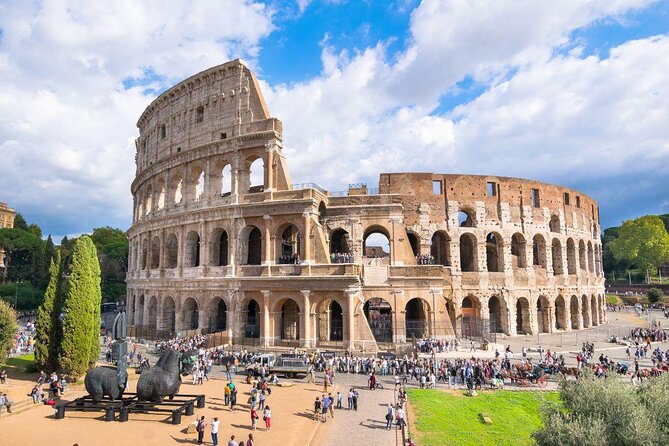
- Arena floor + first level + panoramic second tier access: you see the “stage,” not just the shell.
- Roman Forum and Palatine Hill ticket included: use your Colosseum entry as a springboard for a longer ruins loop.
- Guides who mix history with stories: I’m seeing lots of love for guides like Antonello, Andres, Giovanni, and Corina.
- Skip-the-line style entry: it saves real time during peak hours.
- Small groups up to 25: better pacing, easier navigation through crowds.
- Mobile ticket + strict name matching: you’ll want your ID and the booking names to line up.
Entering the Colosseum: where your time actually goes
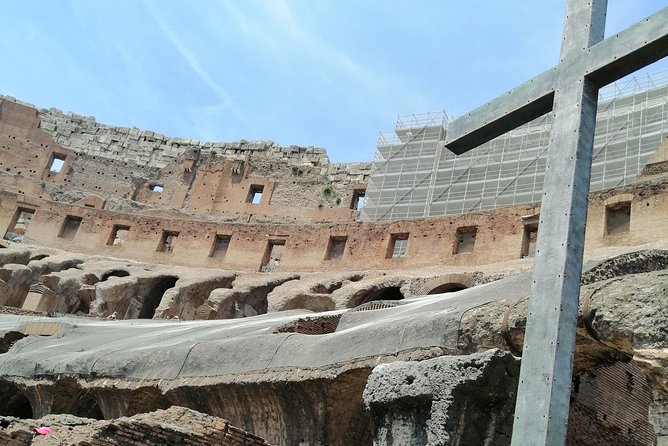
This tour starts at Piazza del Colosseo, 21 and runs about 1 hour 15 minutes. The whole point of the format is efficiency: you’re there long enough to learn how the Colosseum worked, and long enough to walk away with clear mental pictures, but not so long that you’re stuck in line or lost in crowd drift.
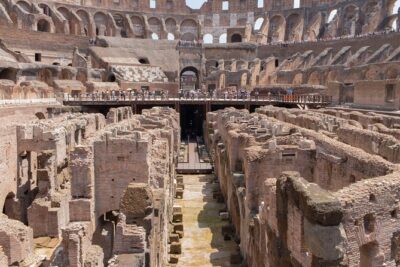
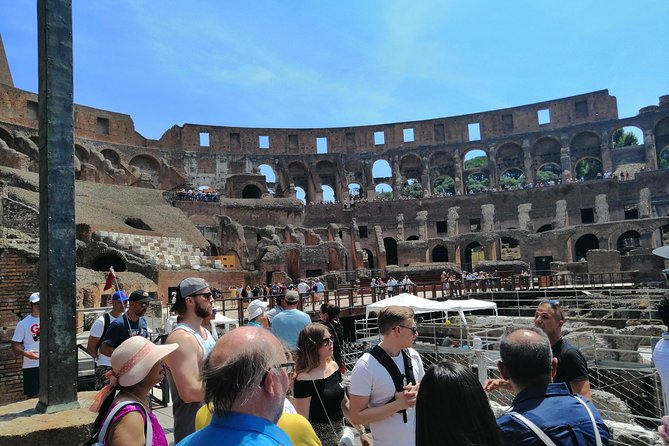
Once you’re inside, the experience is centered on the Colosseum’s most important zones. You’ll be moving through the first level and reaching the second tier viewpoints, with the tour organized around how people once experienced events—from the spectacle on the floor to what spectators could see up high.
Also, check your expectations on access: the highlights promise arena-floor access and major levels, while the fine print says underground or the arena entrance are not included. That means you should plan for top-level views and the arena area you’re brought to, but not assume you’ll be going below ground or through every restricted entry point.
You can also read our reviews of more guided tours in Rome



Arena floor and first-level walk-through: what to look for
The best moment is when you stop being an observer and become part of the layout. The tour guides you through the first level, shows the arena space, and points out details like trapdoors—key features that helped the Romans stage surprises fast.
Here’s the practical angle: if you’re visiting on your own, the Colosseum can feel like big stone. With a guide, the structure starts behaving like a machine. You’ll hear how the event flow worked—Roman engineers built the performance-ready infrastructure, and gladiators and animals became part of a carefully planned show.
The tour also focuses on Roman construction thinking: techniques invented by Romans, the engineering logic behind the building, and how the site could support large events. That’s where the best guides shine. I’ve seen praise for guides like Andres (patient, funny, clear) and Andrea (calming in crowds and big on inside information), because they help you connect what you’re seeing with why it was built this way.
Tip for your visit: take a minute before you start snapping photos. Stand where the guide asks, note what you see across the floor and up toward the seating bands, then your pictures will make more sense later.
The “panoramic” second tier: turning chaos into a view
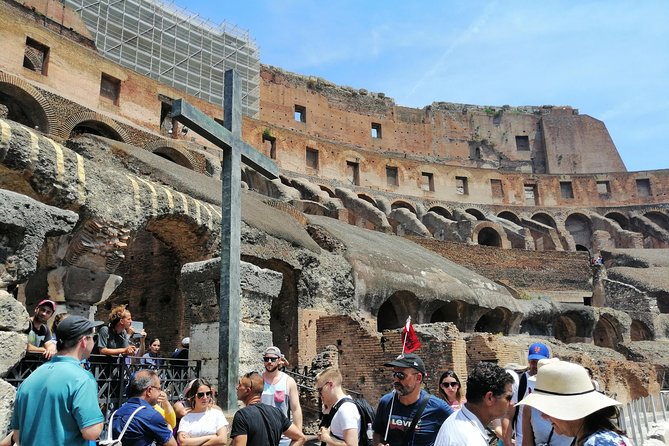
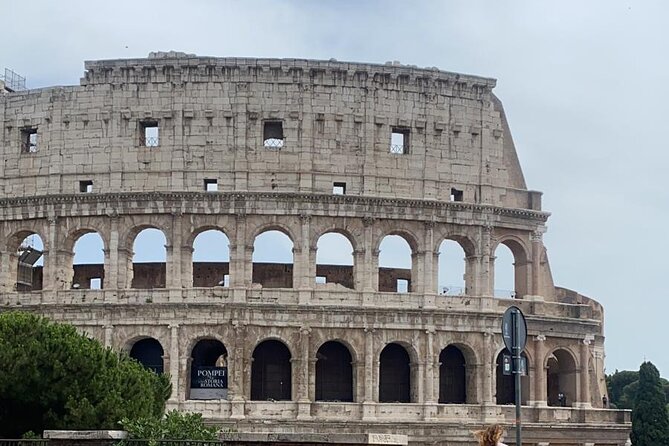
The second tier is where the Colosseum starts to look like what it was: a public theater scale model of Rome’s power. The tour includes the first and second tiers, and the second tier is described as panoramic, which matters because your eyes finally get a sense of the entire bowl-shaped structure.
This is also where the crowd pressure is real. People gather for photos at the same time, and everyone wants the same angles. A strong guide helps you thread the needle—getting you to key spots without turning the tour into a constant stop-start scramble. That’s a theme in the feedback: guides are repeatedly praised for helping the group navigate smoothly and for not leaving anyone behind.
You might find that the experience feels “quick but informative,” because the whole tour is scheduled to fit 1 hour 15 minutes. That’s not a bad thing; it’s a trade. You’ll get the main story arc, but you may wish you had another 20–30 minutes if you’re the type who wants to linger.
Gladiators, staged battles, and what the stories add
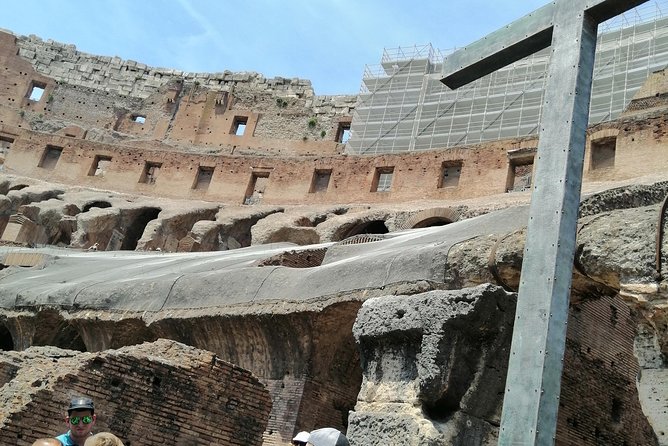
The Colosseum isn’t just architecture. It’s also theater technology. The tour explains ancient gladiator fights and the logic behind the spectacle. You’ll hear about gladiator games and why the Colosseum became associated with the kind of mass entertainment Rome loved—plus the darker side of the show, including battles between exotic animals.
What I like about this storytelling approach is that it gives you a framework. You’re not memorizing names of emperors just to sound smart on Instagram. You’re learning how the performance could shift quickly, how people moved, and how the structure enabled it.
And the guide quality really matters here. I saw standout praise for Giovanni (prompt, enthusiastic, true expert) and Flavia (very knowledgeable). In contrast, there are complaints about tours where the guide spoke too fast or where the emphasis felt off—like spending too much time on film examples instead of Colosseum history. That doesn’t mean all tours are like that, but it’s a heads-up: if you want a very history-heavy experience, early planning on your time slot and booking the option with an official guide is worth it.
Timing and time slots: beating crowds without burning your day
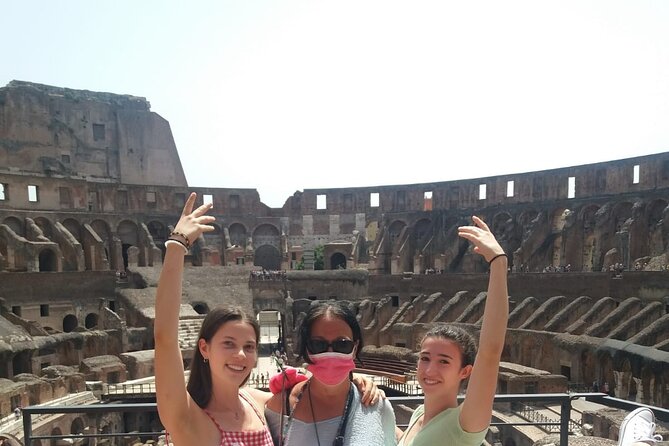
You can choose from several time slots, including an early-morning option designed to help you beat crowds. This is one of the biggest practical advantages of booking a guided entry rather than going solo at random.
If you like photos, you’ll feel the difference in the light and in the crowd density. If you hate elbow-to-elbow navigation, early timing also makes the guide’s job easier, and you’ll likely get a smoother flow through the levels.
The tour group max is 25 travelers, which usually means you’re not stuck behind a huge pack. In a couple of reviews, people even noted very small groups (like groups of six) that felt close to a private experience. That can happen depending on demand and the time slot.





What’s included: the value breakdown that matters
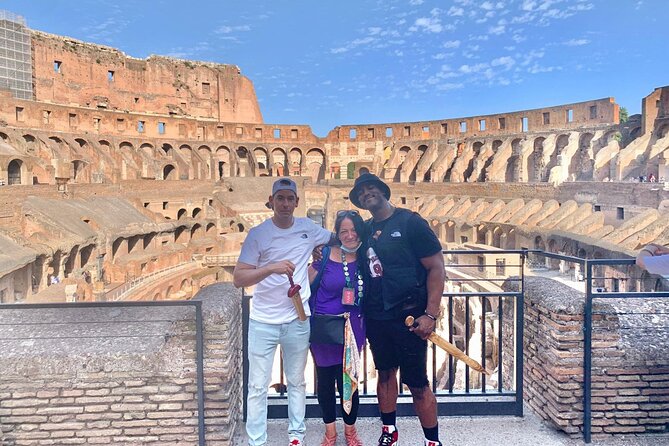
At $39.65 per person for about 1 hour 15 minutes, the value depends on what you care about most: speed, access, and interpretation.
Here’s what’s included:
- Official tour guide at the Colosseum (if that option is selected)
- Colosseum 1st and second level entry
- An included Roman Forum and Palatine Hill ticket
- The Colosseum entrance ticket (valued at €18) and reservation fee (valued at €2)
- A mobile ticket
- Group discounts (depending on the booking)
What’s not included:
- Underground or arena entrance
The real bargain is that you’re not just buying admission. You’re paying for guided interpretation of the areas you’re entering, plus the Forum/Palatine ticket that turns your Colosseum stop into a larger ancient-Rome route. If you were going to visit the Forum and Palatine anyway, this package often makes the pricing feel more sensible.
Roman Forum and Palatine Hill ticket: don’t waste the second ticket
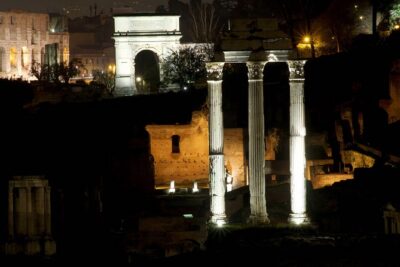
One of the smartest parts of this experience is the ticket that allows Roman Forum and Palatine Hill access on your own. The tour is only 1 hour 15 minutes at the Colosseum, but your included ticket effectively extends your day.
The key move: don’t treat the Forum like an afterthought. Plan a rough order. If you visit the Colosseum first (as the tour does), you’ll have the amphitheater story in your head. Then the Forum and Palatine can make more sense as the political and social backdrop for why Rome put on these kinds of public spectacles.
Because you’re touring independently there, you’ll want to decide how you’ll explore. If you like self-paced wandering, you can take your time with photos and key ruins. If you’re more structured, consider using your ticket window to prioritize the biggest sights you want—then circle back for smaller details if you have energy.
Also, be aware that Jubilee restoration can affect monuments during your visit. If messages come up about closures or changes, treat them as normal Rome. Adjust, don’t panic.
The biggest “it depends” factor: audio, pace, and communication
In a place as crowded as the Colosseum, the audio setup can become the weak link. Some feedback mentions that headsets/radios had reception problems and made the guide harder to understand, especially with accents at certain moments. There’s also feedback where the guide spoke too fast, and the visitor missed information.
So here’s my practical advice: pick a tour time you’re fresh for, arrive a little early so check-in and orientation don’t stress you out, and don’t wait until you’re already frustrated before you ask questions. If you struggle with audio, keep an eye on the guide’s location and face so you can follow visual cues as well as sound.
On the flip side, many reviews are very happy with guides who are clear and engaging. People praise guides like Antonello for being funny and knowledgeable, and Corina for combining info with genuine love for the work.
Meeting point and mobile ticket: the small steps that prevent big headaches
This tour’s meeting point is Piazza del Colosseo, 21. You’ll return to the meeting point at the end.
This is also where names matter. You need to provide the full names of all travelers when booking. Failure to present a voucher with all travelers’ full names at the ticket office can mean denied entry to the Colosseum and Roman Forum. Each person must bring valid passport or ID that matches the name used at booking.
It’s the kind of rule that sounds bureaucratic until you’re standing at the ticket desk under Roman sunshine. Do the boring prep now: double-check spelling, charge your phone (mobile ticket), and bring your ID even if you hate carrying it.
Who this tour suits best
This is a great fit if:
- You’re visiting the Colosseum for the first time and want the building explained in a way that sticks.
- You want arena-floor access and key levels without spending your whole day stuck in planning and lines.
- You plan to visit the Forum and Palatine anyway and want that ticket included.
It’s a mixed fit if:
- You prefer long, unstructured time inside major sites. The 1 hour 15 minutes format is efficient, not lingering.
- You’re very sensitive to audio quality and speed. In crowded conditions, headset reception can be inconsistent, and the group has to keep moving.
Should you book this Colosseum guided tour?
I think you should book it if your main goal is to understand what you’re seeing fast—and to leave with a clear mental map of how the Colosseum worked. The included Roman Forum and Palatine ticket makes it feel more like a day plan than a quick photo stop.
I’d choose carefully if you’re relying on perfect audio or if you want maximum time in the monument. Look for the early time slot if you can. Arrive early, confirm your names match your IDs, and make sure you book the version that includes an official live guide if that’s what you want.
If you do those things, you’ll likely come away with the Colosseum not as a postcard, but as a real stage of Roman life—engineering, entertainment, and power all in one place.
FAQ
How long is the Colosseum guided tour?
It runs about 1 hour 15 minutes (approximately), with admission included.
Where do I meet the group?
The tour meets at Piazza del Colosseo, 21, 00184 Roma RM, Italy and ends back at the same meeting point.
What’s included with the ticket?
You get Colosseum entry for the 1st and 2nd levels, an official tour guide at the Colosseum if that option is selected, and a ticket that is valid for the Roman Forum and Palatine Hill.
Is there an option with a live guide?
Yes—an official tour guide at the Colosseum is included if you select that option.
What language is the tour offered in?
The tour is offered in English.
How big is the group?
The tour has a maximum of 25 travelers.
What documents do I need for entry?
You must provide the full names of all travelers when booking, and each traveler needs a valid passport or ID that matches the name provided at booking.