REVIEW · VATICAN CITY
Vatican Museums & Sistine Chapel Skip-the-Line Entry Ticket
Book on Viator →Operated by Roman Trips · Bookable on Viator
That first step into the Vatican is always chaos-free.
This Vatican Museums & Sistine Chapel skip-the-line ticket is built for people who want a guaranteed entry time, not a guessing game in long queues. I especially like the reserved time-slot admission (so you’re not stuck waiting outdoors for hours) and the straightforward focus on the big two: the Vatican Museums and the Sistine Chapel. One thing to consider: this is mainly an entry ticket with on-site staff help, not a full guided tour.
Your visit is designed to work in a tight window, roughly 2 to 3 hours total. You’ll start at Via Germanico, 40, 00192 Roma RM for ticket help, then head in for about 2 hours in the Vatican Museums and around 20 minutes in the Sistine Chapel. If you’re hoping for a commentary-heavy tour, you may feel underwhelmed because a tour guide isn’t included and the audio option is extra.
In This Review
- Key things to know before you go
- The value of reserved entry in Vatican City
- Via Germanico 40: how to pick up your tickets without stress
- Vatican Museums for about 2 hours: what to expect and how to plan your route
- Sistine Chapel in 20 minutes: making the most of a short stop
- “Skip-the-line” means what, exactly?
- Audio guide optional: helpful, but not automatic
- What the ticket covers inside (and what it doesn’t)
- Pacing, crowds, and summer heat you can’t ignore
- Price and value: is $50.57 fair for what you get?
- Practical tips that prevent the most common problems
- Should you book this Vatican Museums & Sistine Chapel ticket?
Key things to know before you go
- Timed entry helps you beat the worst outdoor lines and keeps the day on schedule.
- No tour guide is included, so plan to use your own eyes (and maybe audio).
- Sistine Chapel time is brief—about 20 minutes—so prioritize what you want to see.
- Mobile ticket scanning can be tricky, so have a backup ready (PDF saved, printed if possible).
- You still go through security, since the ticket doesn’t promise skipping that line.
- Heat and crowds are real, so bring comfort items like water and good walking shoes.
The value of reserved entry in Vatican City
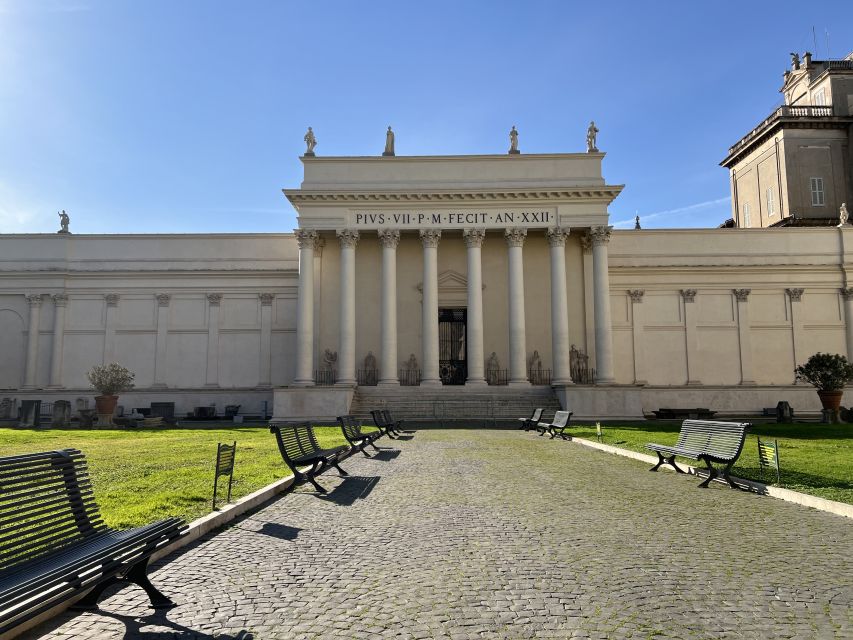
The Vatican is popular in the loudest possible way. Even on a good day, you’re likely to face crowds, moving slowly, and lots of stopping and starting. That’s exactly why a timed entry ticket matters: it turns your day from a waiting game into a “walk in and start seeing” plan.
This ticket also keeps your expectations honest. It doesn’t pretend you’ll stroll straight to the Sistine Chapel in five minutes. Instead, it gets you into the Museums reliably, then you’re on your own to navigate the highlights and make the most of the 2-hour Museums window.
You can also read our reviews of more tours and experiences in Vatican City
Via Germanico 40: how to pick up your tickets without stress
Your meeting point is Via Germanico, 40, 00192 Roma RM. The key detail here is time: you should arrive at least 20 minutes early, because late arrivals can’t be accommodated and missed entry is non-refundable.
One thing that can trip people up: ticket delivery happens on the day of the visit via WhatsApp, according to the company policy. That means you’ll want your phone ready, plus a backup plan if your screen is low on battery or a scanner acts up. Some people had trouble with mobile scanning and ended up needing to print tickets on the spot—so if you’re the type who hates surprises, save the PDF and consider having a print backup.
For Vatican security, bring a valid passport or driving licence. Digital acceptance is mentioned, but since security checks can be strict, having the document easily accessible is smart. Also plan for a bit of walking; luggage storage is available nearby but may cost extra.
Vatican Museums for about 2 hours: what to expect and how to plan your route
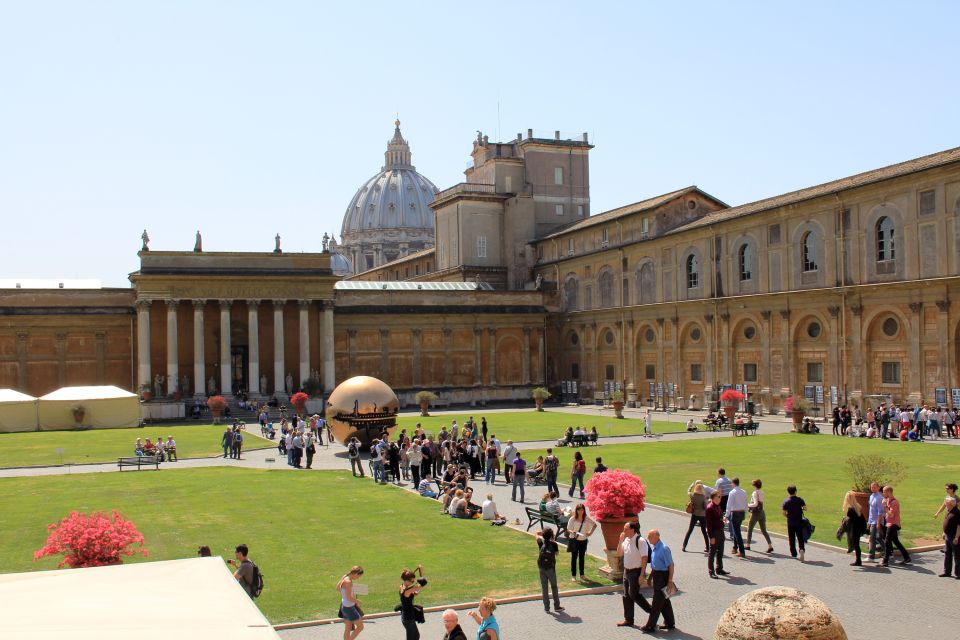
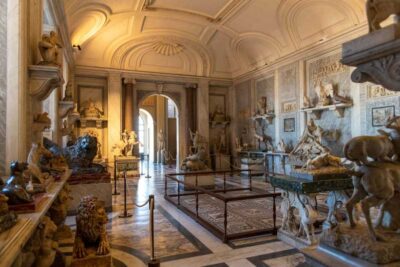
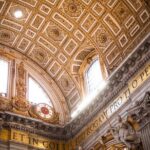
The Museums portion is the big time block—about 2 hours. That sounds short until you’re actually inside, where the scale and density of art can make every turn feel like a decision. A timed entry helps you get in fast, but it doesn’t shrink the building. Your real advantage is that you’ll spend your time looking, not standing outside.
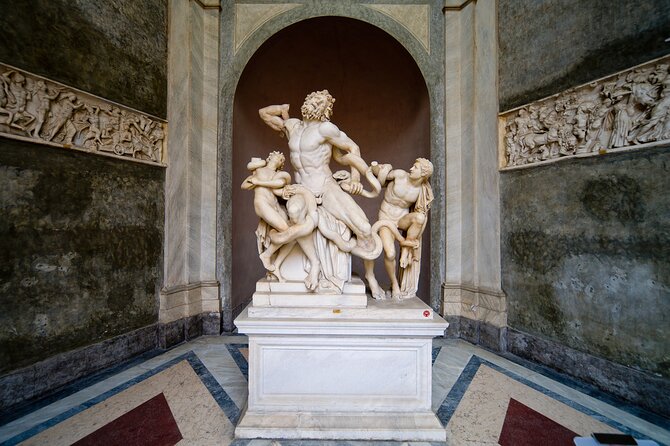
What you’ll get in that window is “a lot,” but not “everything.” One person described seeing most of the art available, and that matches what you can usually pull off with a focused route. If you’re a fan of Italian art and sculpture, it helps to know what you’re chasing before you enter. For example, one account specifically called out Michelangelo and David, which signals that your path may include major sculpture areas depending on how the flow works that day.
Crowd reality matters too. Many rooms won’t feel spacious, and pacing becomes part of the experience. I’d treat this like a sprint with breaks: pick a few must-sees, then let your curiosity carry you once you’ve grabbed the essentials.
Sistine Chapel in 20 minutes: making the most of a short stop
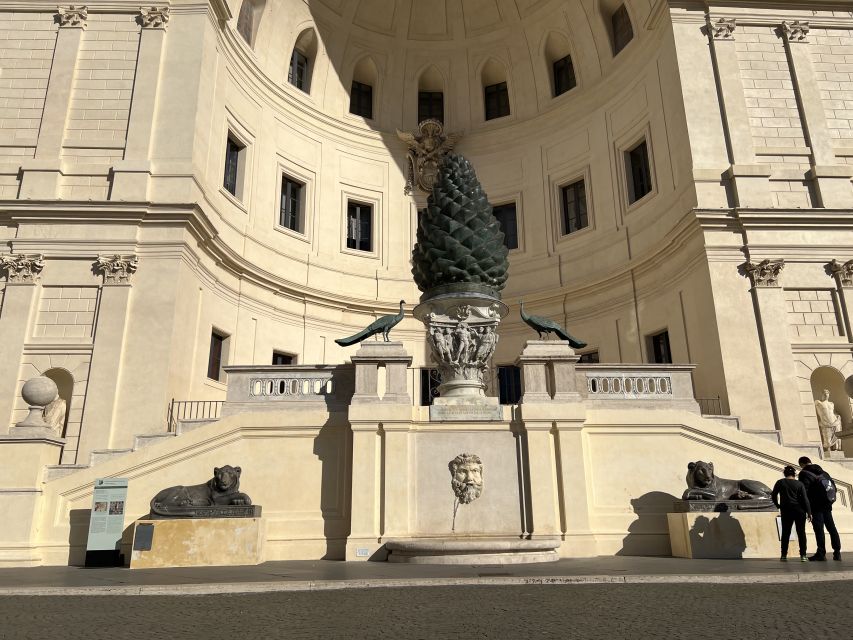
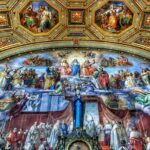
The Sistine Chapel stop is about 20 minutes. That’s not long, but it’s enough to take in the ceiling and then do a slower second pass if the crowd flow allows it. This is one of the most significant Christian sites for many visitors, so I’d plan to treat it like a single, concentrated moment rather than a quick photo-and-go stop.
Because you’re short on time, start with your priorities:
- Ceiling first, if that’s what you came for most.
- Then scan the surrounding scenes in a quick clockwise pass.
- Don’t waste your first minute trying to figure out where you are—once you’re inside, lock in your bearings fast.
Also keep in mind that the Chapel may close without notice due to religious events, and in that case no refunds are possible. In practice, this is one more reason you should treat the Museums as the core of your day, with the Chapel as the major bonus.
“Skip-the-line” means what, exactly?
Here’s where it helps to read the fine print in your head. This ticket is skip-the-line for entry, with reserved time-slot admission. That’s the win: you avoid the worst outdoor waiting and you’re allowed in on a scheduled slot.
But the ticket does not cover everything. It does not include:
- Skip security line (you should expect security screening).
- Hotel pickup or drop-off (you’re on your own to get there).
- A tour guide (you’ll be self-guided, unless you buy audio).
Some people felt it didn’t feel like true skipping because they still experienced delays around arrival time and entry flow. So my advice is simple: show up early, follow the address exactly, and don’t try to arrive right at your time slot. When timed entry goes wrong, it’s often because the schedule and the pickup timing don’t line up with how the Vatican processes entry.
You can also read our reviews of more museum experiences in Vatican City



Audio guide optional: helpful, but not automatic
The ticket doesn’t include an audio guide, but you can buy one on-site for an extra cost. One account described getting earphones and matching it with a number to play the audio at the right moments. That can be a great option because the Museums are huge, and audio helps you stay oriented when your feet are moving faster than your brain.
That said, not all audio add-ons feel equally useful. One person found the included map next to useless, but still enjoyed the audio once it was playing. Translation: the audio can help, but don’t rely on the map as your main navigation tool.
If you want maximum value from the price, consider whether you’ll actually use audio. If you like art context, it’s usually worth it. If you’re happy reading at your pace, you can skip it and spend that money on a great coffee break instead.
What the ticket covers inside (and what it doesn’t)
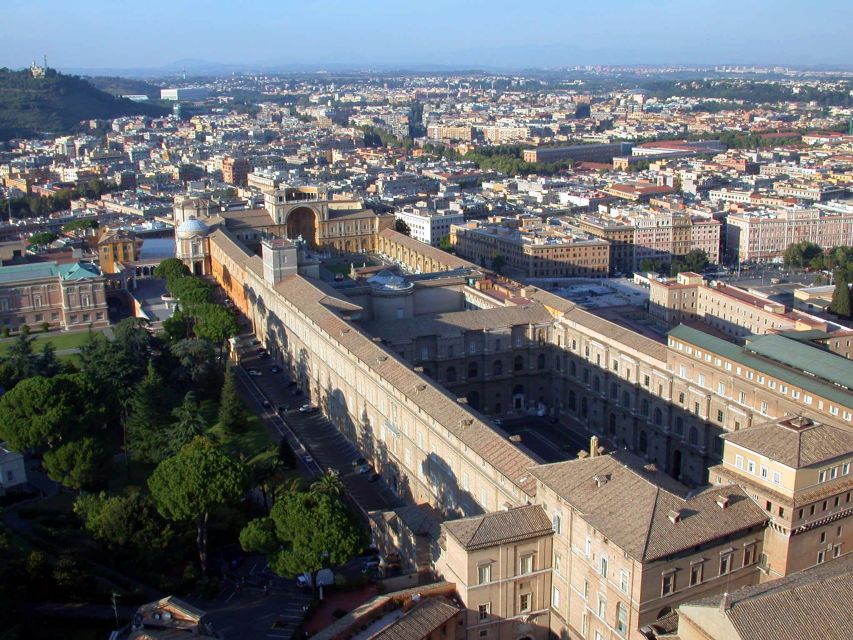
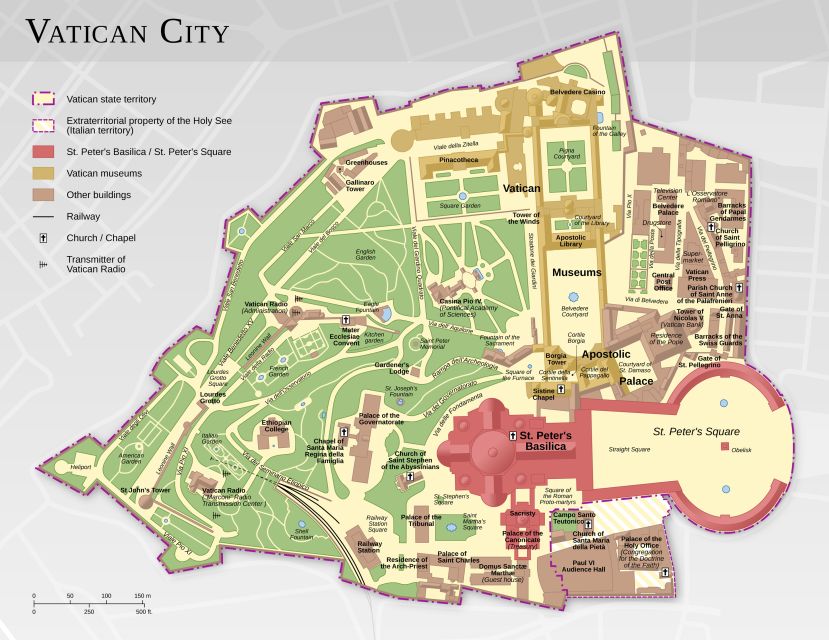
Inside the Museums and Sistine Chapel, you should think of this as “entry + time window,” not “guided storyline.” The included staff assistance is for ticket collection, so they can help you get sorted and get moving, but they’re not there to teach the art like a classic guided tour.
That mismatch is behind a lot of the disappointment you’ll see in the wild. If your idea of a Vatican experience includes a guide pointing things out, explaining the connections, and keeping your group together, you’ll want to book a true guided tour instead of relying on this as a substitute.
On the other hand, if you’re comfortable wandering with intention, this can be exactly right. One review framed it as “worth the money” for avoiding overwhelming queues, and another stressed the freedom of moving at your own pace.
Pacing, crowds, and summer heat you can’t ignore
Even with skip-the-line entry, the Vatican can feel like a heat chamber in summer. Some people explicitly warned about the lack of air conditioning in rooms and recommended practical comfort items: water, comfortable walking shoes, and a hand-held fan.
My take: your enjoyment won’t come only from masterpieces. It will come from how well you manage the “human conditions” part—crowds, long hallways, and waiting at bottlenecks where everyone funnels toward the same rooms.
If you’re sensitive to heat or walking long distances, plan for breaks. Also know that some routes may be more crowded than others. And if you have mobility challenges, read the situation carefully: one account said this isn’t ideal for walking difficulties unless you have a wheelchair, which suggests the Vatican floor plan can be hard to navigate at certain points.
Price and value: is $50.57 fair for what you get?
At $50.57 per person, the value depends on your goal.
If your top priority is avoiding the worst delays and getting a scheduled entry time, it can feel like money well spent. Several comments praised the ability to walk in when queues outside were massive, and that lines up with why timed access is popular: your time is worth something.
If your priority is saving money and you’re flexible about timing, you may question the cost. Some people reported paying much less when booking directly through official channels, and at least one account claimed a big price gap among similar tickets. I can’t confirm what any individual official price was on a specific day, but the overall pattern is clear: official pricing can be lower, and third-party convenience can be priced higher.
So here’s how I’d decide:
- Choose this ticket if you want schedule reliability and hate outdoor lines.
- Consider official tickets if you’re traveling on a tighter budget and you’re comfortable working around whatever the day’s entry timing looks like.
Practical tips that prevent the most common problems
If you want this experience to feel smooth, these are the habits that help most:
- Use the exact meeting address: Via Germanico, 40. If you wander with a nearby landmark guess, you can end up searching while your entry window ticks by.
- Arrive early: the 20-minute buffer isn’t decoration. It’s what keeps you from scrambling.
- Save the ticket PDFs and test your phone storage before you go. If mobile scanning fails, you’ll wish you printed or at least had offline access.
- Bring a water bottle and a fan. Your body will remember more than your brain does.
- Go in with a plan for the 20 minutes in the Sistine Chapel. Decide what you want to see first so you don’t waste time orienting yourself.
- Expect self-guided pacing. If you’re hoping for a teacher, audio is the only built-in interpretation option mentioned here.
Should you book this Vatican Museums & Sistine Chapel ticket?
Book it if you want reserved entry and a fast path into two major stops—especially if you’re the type who’s stressed by long queues and hates losing half a day to waiting. For many people, that peace of mind is worth the price.
Skip it (or look for a different format) if you want a classic guided experience with narration throughout. This one is ticket-focused, with staff help for collection and an optional audio add-on. And if your dream day includes lots of flexibility, remember the Sistine Chapel can close without notice for religious reasons and changes aren’t guaranteed.
If you do book, treat it like a timed event: arrive early, verify your documents, back up your ticket access, and plan your priorities so the Museums and the Chapel each get the attention they deserve.