REVIEW · ROME
Vatican Museums and Sistine Chapel Tour with Basilica Access
Book on GetYourGuide →Operated by Capriotti SaintsTour · Bookable on GetYourGuide
The Vatican can feel like a sprint by default. This tour keeps things organized with skip-the-line access and a rare doorway-to-basilica route from the Sistine Chapel. You also get a small group pace (up to 30) led by a certified Vatican Museums guide, so the art lands faster and makes more sense.
I like two things most: first, the direct passage from the Sistine Chapel doorway to St. Peter’s Basilica, which cuts out a big chunk of extra navigating. Second, the guided walk through major Vatican highlights, with headsets included so you can actually follow the story while crowds surge around you. In past groups, guides with names like Sophie and Vincent have been called out for making the experience feel smooth and human.
One consideration: the Sistine-to-Basilica route depends on Vatican operations. With Jubilee-era restrictions and the possibility of closures, you may need to follow rules that change your exact flow, even if the tour stays guided.
In This Review
- Key things to know before you book
- Skip-the-line at the Vatican: what you’re really paying for
- Meeting point, security, and how the walk fits your day
- The Vatican Museums route: how each room earns its stop
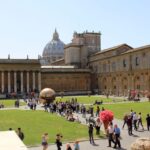
- Courtyard of the Pinecone and the big-picture start
- Cortile del Belvedere and the art that sets the tone
- Gallery of Maps: scale, detail, and why it’s more than decoration
- Gallery of Tapestries: walking into the “story behind the story”
- Pio-Clementino and the museum rhythm
- Sistine Chapel expectations: silence, timing, and what to focus on
- The real challenge: crowds in a small space
- The doorway to St. Peter’s Basilica: why this access is a big deal
- A practical reminder about changing access
- When the Sistine Chapel closes: the Raphael Rooms backup plan
- Headsets, pace, and the stuff that can make or break your mood
- Dress code and who should reconsider
- Value for money: does $96.29 make sense for you
- Should you book this Vatican Museums and Sistine Chapel tour with Basilica access?
- FAQ
- How long is the tour?
- Does the tour include skip-the-line entry?
- Will I have access to St. Peter’s Basilica?
- What languages are offered?
- Are headsets included?
- What should I wear or bring?
- Is this tour suitable for wheelchair users or mobility impairments?
Key things to know before you book
- Small group size (max 30) helps you keep your bearings instead of getting lost in a shuffle
- Vatican-accredited tour guide + headsets so you don’t miss the art stories
- Direct access from the Sistine Chapel doorway to St. Peter’s Basilica
- Stops across the key museum rooms like Maps, Tapestries, Pio-Clementino, and Raphael Rooms
- Sistine Chapel quiet rules mean the guide explains outside, then you watch in silence
- The route can change if access is restricted or the Sistine Chapel is closed
Skip-the-line at the Vatican: what you’re really paying for
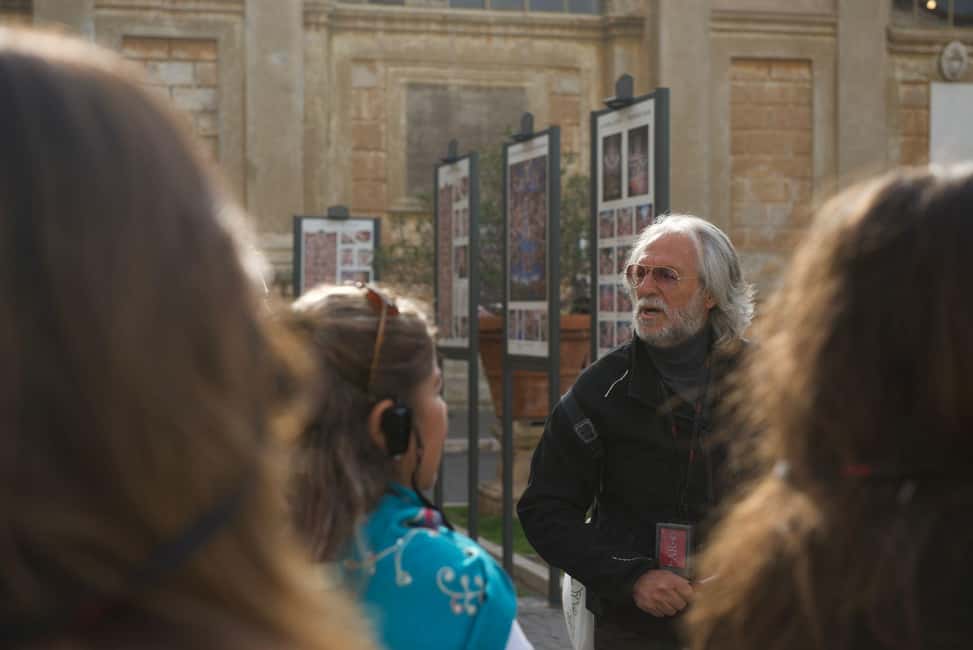
The $96.29 price tag can look steep until you compare it to how the Vatican usually works: lines, slow-moving entry channels, and a lot of standing that doesn’t show you much. This tour’s value is mostly about time and clarity. You’re buying a guided route with priority entry and a planned path through the busiest parts.
The 2.5-hour length also matters. You’re not wandering alone for hours trying to guess the best order. Instead, you get a structured highlight tour, and then you end with time inside St. Peter’s Basilica so you can linger where you actually care.
Finally, the group size keeps you out of the worst chaos. The tour runs with a maximum of 30 people, and that difference is big in Vatican Museums where crowd density can turn every turn into a bottleneck.
You can also read our reviews of more museum experiences in Rome



Meeting point, security, and how the walk fits your day
Your meeting point can vary depending on the option you book, and the start location is tied to the Saints Tour agency. Plan to arrive with a little buffer so you don’t lose time to check-in when you’re already dealing with airport-style security.
Like most Vatican experiences, you must pass through airport-style security first. That means your day planning should assume slow entry even with skip-the-line tickets, because security still exists and still takes time.
One nice detail in the pacing: the tour includes a walk past Passetto di Borgo. It’s not listed as a big museum stop, but it gives you a sense of place and keeps the movement from feeling like one long line.
The Vatican Museums route: how each room earns its stop
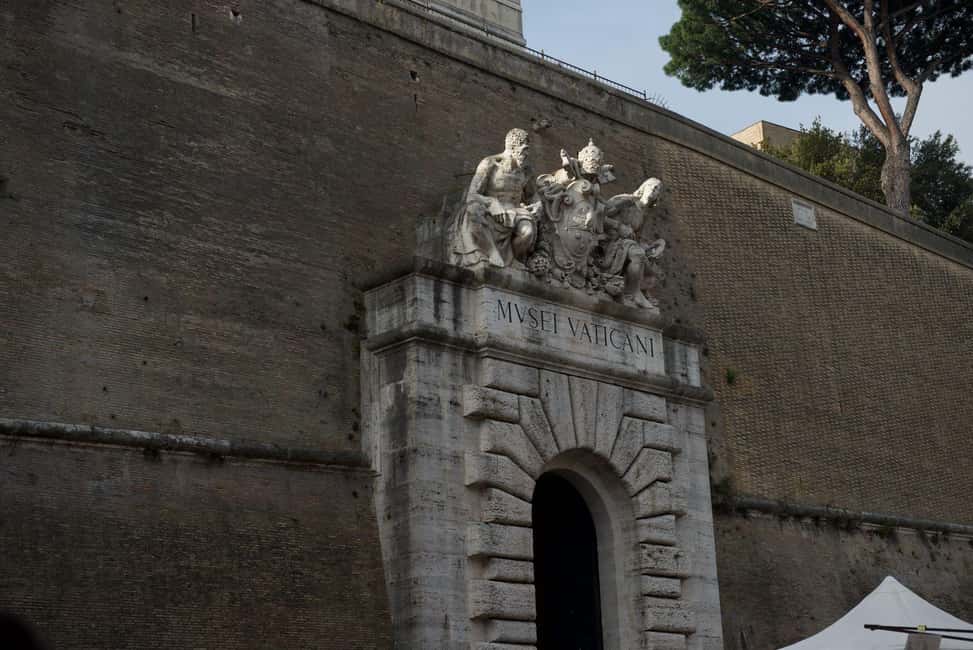
This is not a random museum stomp. The guide takes you through some of the most recognizable collections inside the Vatican Museums complex, and the tour is built around connecting art to context.
Courtyard of the Pinecone and the big-picture start
The guided journey is designed to move through the complex’s main beats: you’ll pass through key rooms and galleries that visitors associate with the Vatican’s “greatest hits.” The Courtyard of the Pinecone is part of the experience described as opening in the heart of Vatican City, which gives you a first moment to breathe before the art gets intense.
A good guide matters here because the Vatican Museums can feel like “pretty rooms” if you don’t know what you’re looking at. A Vatican-accredited guide is there to tell the stories and the reasons those rooms exist.
Cortile del Belvedere and the art that sets the tone
Cortile del Belvedere is another guided stop that helps set up the Vatican Museums mood. You’re meant to get oriented inside the complex’s scale, then move into galleries where the details become the point.
The benefit for you is speed with meaning. You’re still moving through highlights, but the guide’s commentary helps your eyes land faster—especially when the crowd pushes you along.




Gallery of Maps: scale, detail, and why it’s more than decoration
The Gallery of Maps is one of the listed stops, and it’s a strong choice for people who like seeing how art connects to the world beyond a chapel wall. This is the kind of room where the guide can point out what you should notice first, which is especially useful because the room gets busy.
If you’re the kind of visitor who hates missing details, look for the guide’s directions about what to scan for. Headsets make it easier to follow those quick cues while you’re jostled by the crowd flow.
Gallery of Tapestries: walking into the “story behind the story”
The Gallery of Tapestries is another big highlight and a different visual mood from the brighter, map-like feel of earlier rooms. It’s also one of those stops where a guide’s explanations help you avoid treating it like just another room full of images.
The tour’s value is that you don’t have to decide what’s worth it. The route already decided it, and your job becomes watching with the guide’s guidance.
Pio-Clementino and the museum rhythm
You’ll also visit the Museo Pio-Clementino. This is where the tour’s rhythm becomes clear: it’s built to keep momentum while still covering the major “named” spaces people come for.
One practical note: there won’t be long breaks inside the museums. The pace is designed for group flow, so go prepared with water earlier in your day and use bathroom stops before the tour begins.
Sistine Chapel expectations: silence, timing, and what to focus on
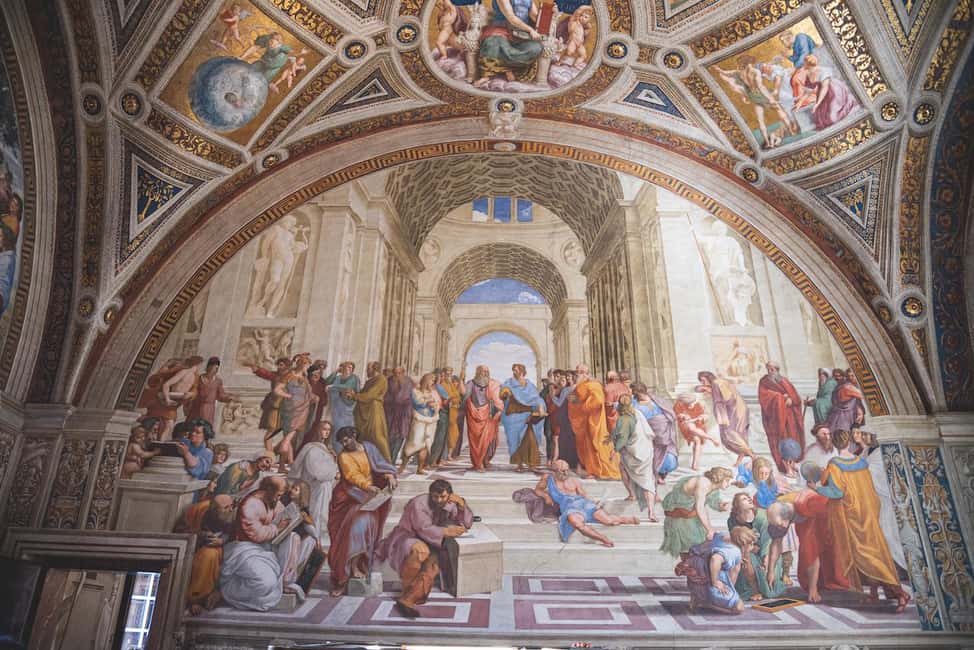
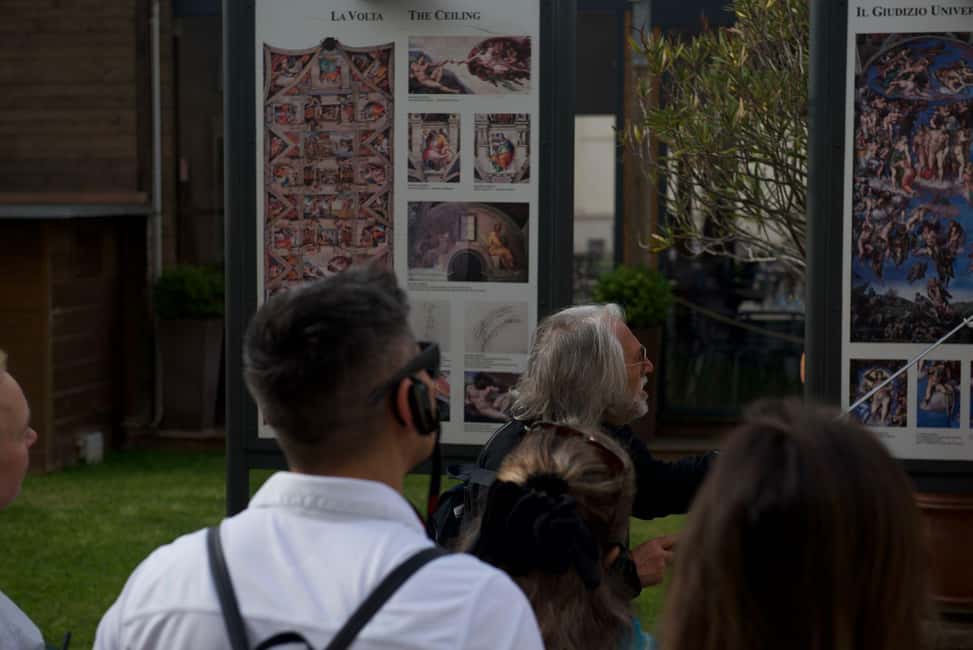
The Sistine Chapel is the reason most people book this tour, but it works differently than the rest of the Vatican. The experience description clearly notes that speaking aloud inside is forbidden. So the guide provides explanations and directions outside, using special panels provided by the Museums.
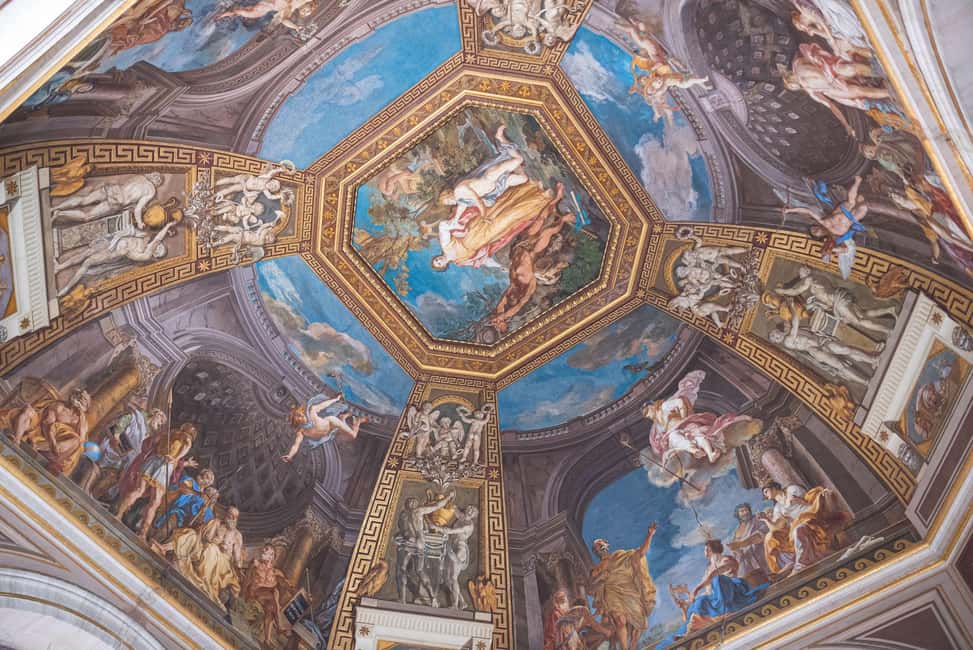
When you enter, your time is mostly about looking. You’ll see major works tied to the ceiling fresco cycle and Michelangelo’s Last Judgement, plus precious fresco contributions from artists named in the tour details, including Botticelli, Perugino, Pinturicchio, Ghirlandaio, Luca Signorelli, and Piero di Cosimo.
The real challenge: crowds in a small space
Even with a guided plan, the Sistine Chapel can still feel packed. That’s normal for the Vatican, and it’s also why the pre-brief from the guide matters. If you know what to look for, you get more from less time.
Headsets help up to the moment you’re inside, but once you’re in, your job is mostly visual. If you’re hoping for slow, personal time with every panel, you might find you’re sharing that space and time with a lot of other people.
The doorway to St. Peter’s Basilica: why this access is a big deal
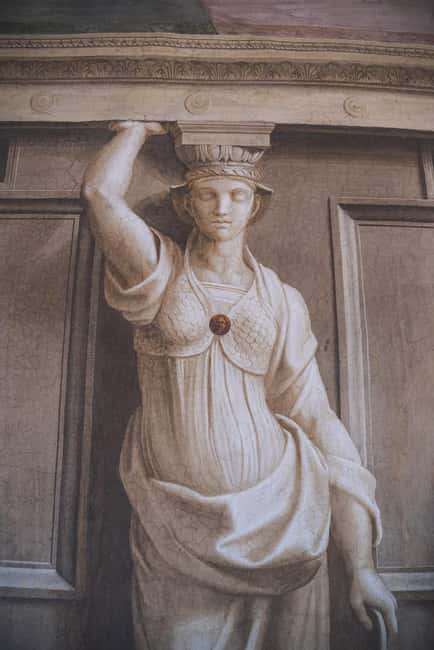
This is the standout feature: the guide accompanies you to the entrance of St. Peter’s Basilica using direct access from the Sistine Chapel. That’s not just convenient. It reduces the stress of re-entering the Vatican’s busiest corridors and trying to find the right route while crowds swell.
After the guided part ends, you get free time inside St. Peter’s Basilica, and the tour finishes at St. Peter’s Square. For me, that free time is where the tour pays you back. You can shift from “guided highlights” to “my own pace” in the one place where you want to stand still.
A practical reminder about changing access
The tour info is honest here: the direct passage is normally open, but the Vatican is a separate state and could decide to close the passage or the Basilica without notice. During a Jubilee period, entrances are restricted, and you’re told to complete the reservation no later than 5 days before the experience to secure access.
So if you’re planning around tight schedules, treat this as a best-effort route, not a guaranteed teleport. Still, with the built-in guidance, you’ll be far better positioned than trying to stitch the day together on your own.
When the Sistine Chapel closes: the Raphael Rooms backup plan
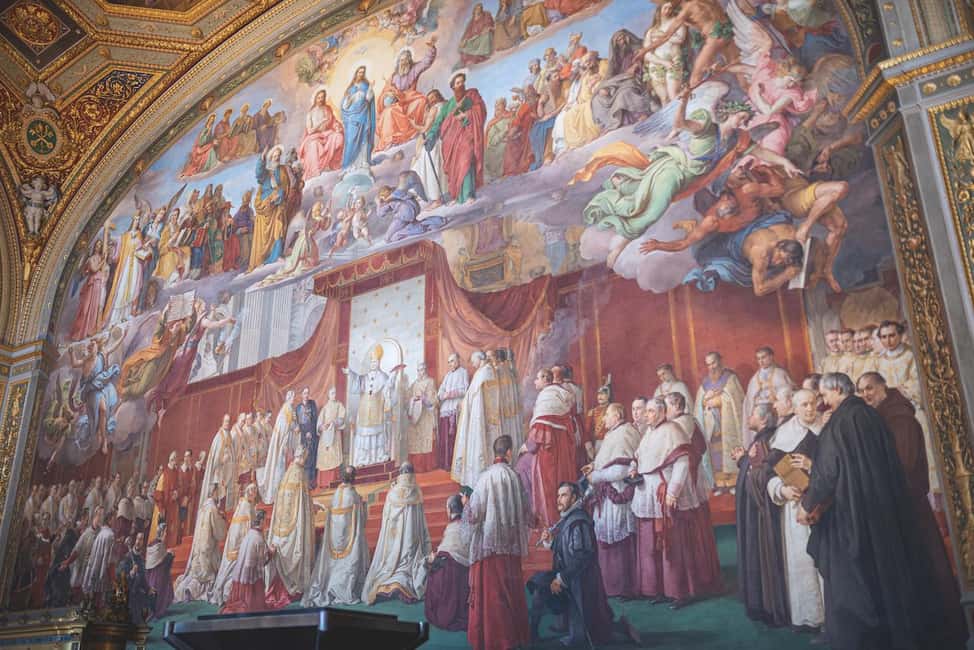
You need to know this scenario because it changes the experience more than you might expect. The details say the Sistine Chapel closed on April 28 due to a papal conclave and will remain closed until a new pope is elected. In that case, the guide continues the visit with a special alternative: the Raphael Rooms.
This is actually a smart feature of the tour design. Raphael Rooms can be a major art destination on their own, and the guide still keeps you on the Vatican Museums path instead of leaving you stuck or rerouted without context.
If you’re booking during a period of uncertainty, this swap is the difference between a disappointing visit and a still-strong one. You’ll miss the Sistine specifically, but you’re not left with nothing.
Headsets, pace, and the stuff that can make or break your mood
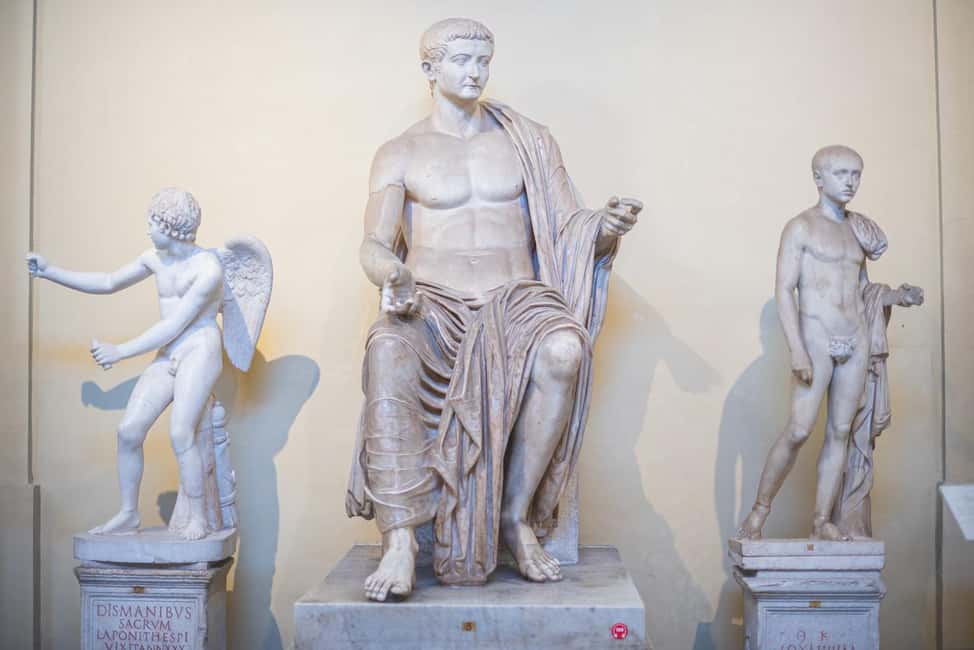
Two things shape your comfort on a Vatican tour: sound and movement. This tour includes headsets so you can hear the guide clearly, and the guided format helps you avoid getting separated in crowds.
Even so, a few reviews-style themes show up in the real world: headsets can be a little rough early on, and the walking pace can feel brisk when groups bottleneck. If you’re sensitive to fast movement, keep a steady cadence and don’t be afraid to step aside briefly when the group bunches up.
Bathroom breaks are another practical issue. The tour is 2.5 hours, and the flow is built around museum rooms and chapel viewing. If you need a break, use your bathroom chance before you start, then plan to treat the free time at the end as your main decompression moment.
Dress code and who should reconsider
This is one of those “Vatican rules are real” situations. Shorts, short skirts, sleeveless shirts, and swimwear aren’t allowed. I’d also suggest wearing layers you can adjust because security waits and museum temperatures can swing.
The tour also isn’t suitable for people with mobility impairments or wheelchair users, and it’s not suitable for people over 80. That’s mostly about the walking and the way access works inside the museum complex.
Value for money: does $96.29 make sense for you
For a lot of people, the cost is worth it because you’re paying for three specific outcomes:
- You avoid a ticket line and the time tax that comes with it
- You get a guided narrative that helps you understand what you’re seeing
- You get a direct passage into St. Peter’s Basilica
A common reason people look at this tour is simple: official tickets can be hard to snag during peak demand. When you can’t get the right entry times, waiting can become the whole trip. This tour turns that time into guided seeing instead of standing.
Add the included perks, and the deal gets easier to justify. You get discounts at the Capriotti shop for merchandising and books (with minimum spend rules), plus discounts at Sanpietrino Caffè and nearby gelato shops around St. Peter’s Square. Those won’t “pay for the tour,” but they do soften the edges if you’re already planning snacks and souvenirs.
Should you book this Vatican Museums and Sistine Chapel tour with Basilica access?
Book it if you want a guided Vatican highlight route and you care about cutting down queue stress. It’s a strong fit when you’re short on time, want the key rooms covered in a tight window, and appreciate a guide with headsets and structured directions.
Consider another plan if you need lots of slow time inside the Sistine Chapel, because crowds and the rules about silence shape your experience. Also reconsider if your group needs step-free routing or if mobility constraints make long museum walking unrealistic.
If you’re flexible about access changes and you’re comfortable with the idea that Jubilee-era rules or a chapel closure can shift the exact flow, this tour is one of the more practical ways to see the Vatican’s top art and still end with meaningful time in St. Peter’s Basilica.
FAQ
How long is the tour?
The duration is 2.5 hours. You can check availability to see starting times.
Does the tour include skip-the-line entry?
Yes. The experience includes skip the line entrance to the Vatican Museums and Sistine Chapel.
Will I have access to St. Peter’s Basilica?
Yes. The tour includes direct access to St. Peter’s Basilica from the doorway in the Sistine Chapel, plus free time inside the Basilica.
What languages are offered?
The live tour guide is available in French, English, Italian, and Spanish.
Are headsets included?
Yes. Headsets are included so you can hear the guide clearly.
What should I wear or bring?
You must follow the Vatican dress code (no shorts, short skirts, sleeveless shirts, or swimwear). The information also notes that you should bring a student card.
Is this tour suitable for wheelchair users or mobility impairments?
No. It is listed as not suitable for wheelchair users and people with mobility impairments.