REVIEW · ROME
Rome: Guided Colosseum Underground Tour
Book on GetYourGuide →Operated by Trajan Tours · Bookable on GetYourGuide
Underground at the Colosseum changes everything. This guided experience takes you below the arena to see the hypogeum tunnels and staging spaces, then carries you back up for the Forum and Palatine Hill. You get live interpretation throughout, so the stones feel like they still have a pulse.
I especially like two things: the Colosseum Underground access itself, and the fact that the tour doesn’t stop at the main sight. You walk the arena-level paths with context, then you continue to the Roman Forum and Palatine Hill for real political Rome, not just photo stops.
One drawback to plan for: this is intense walking on uneven surfaces, and it’s not suitable for wheelchair users or people with mobility impairments. If you need smooth ground, this probably won’t feel good.
In This Review
- Key points to know before you go
- Where the tour starts: the Arch of Constantine meetup
- Entering the Colosseum with skip-the-line tickets
- Going below: the hypogeum and performance tunnels
- Standing where the show started: arena level footsteps
- Roman Forum: temples, basilicas, and power politics
- Palatine Hill and Domitian’s palace: views plus context
- Why this tour feels worth the price
- What to bring (and what to leave behind)
- Best fit: who should book this
- Should you book the Colosseum Underground tour?
- FAQ
- How long is the Rome Colosseum Underground guided tour?
- Where do I meet the guide?
- What does the tour include?
- Is the tour in English?
- Does the tour include skip-the-line entry?
- What happens during the underground portion?
- What should I bring?
- Are large bags or luggage allowed?
- Is this tour suitable for wheelchair users?
- What’s the cancellation policy?
Key points to know before you go
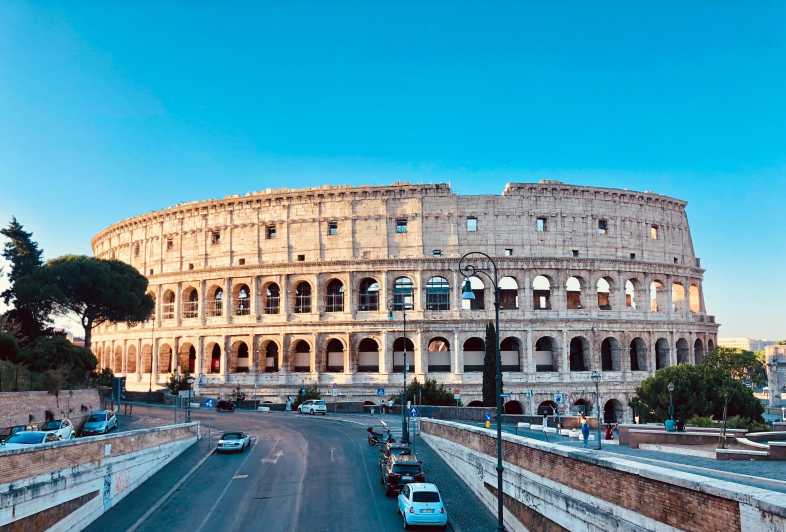
- Underground entry that’s usually hard to line up: you get the specific access most people can’t easily book on their own
- Hypogeum staging area + lift machinery: you’ll see how animals and performers were brought up to the arena level
- Forum and Palatine Hill included: you finish with temple and government ruins plus Domitian’s palace area and big views
- Guides can make it funny and sharp: names like Renata, Amanda, Lorenzo, and Sabrina come up again and again for their energy and storytelling
- Audio helps on crowded days: people report clear audio via radios/ear support, which makes the pacing smoother
- Expect a lot of walking: the terrain is rough, so comfortable shoes matter more than you’d think
Where the tour starts: the Arch of Constantine meetup
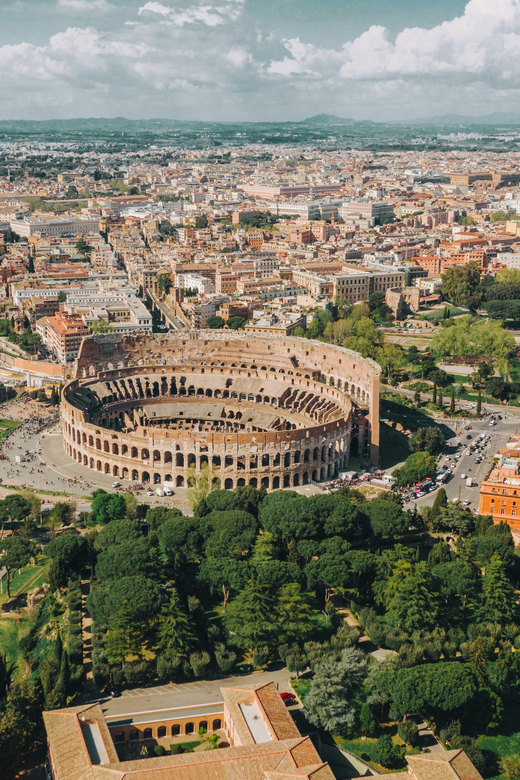
Meet your guide right next to the Arch of Constantine, with the red Trajan Tours sign. That location is handy because it puts you in the right zone for Colosseum entry checks and keeps you from playing guess-the-direction in tourist chaos.
From there, you enter the Colosseum grounds as a group, and the tour’s value starts immediately: you’re not trying to figure out routes or timing while juggling ticket lines. The experience is built for forward motion, with a clear flow that keeps you moving from the arena complex to the surrounding ancient core.
Even if you’re the type who likes to wander, think of this as a guided day that teaches you what to look for. Afterward, you’ll understand what you’re seeing enough to go back for extra photos or a slower second pass.
You can also read our reviews of more guided tours in Rome



Entering the Colosseum with skip-the-line tickets
This ticket package includes entry to the Colosseum—both the Underground & Arena Floor—plus Palatine Hill and the Forum. On paper, that looks like a lot. In practice, it matters because it saves time at the checkpoints and helps you avoid the long waits that can eat half a day.
Skip-the-line access is especially valuable here because the Colosseum is not just busy; it’s busy in a very controlled way. Multiple checks, timed entry windows, and crowd management make self-guided visits feel like a puzzle. With a guide, you solve it once and then spend your energy on the story.
Your session runs about 3 hours, but plan as if the day might run a little longer depending on how the group moves and what the guide chooses to emphasize. One of the nice surprises is that the time often feels quick when someone keeps the pace engaging.
Going below: the hypogeum and performance tunnels
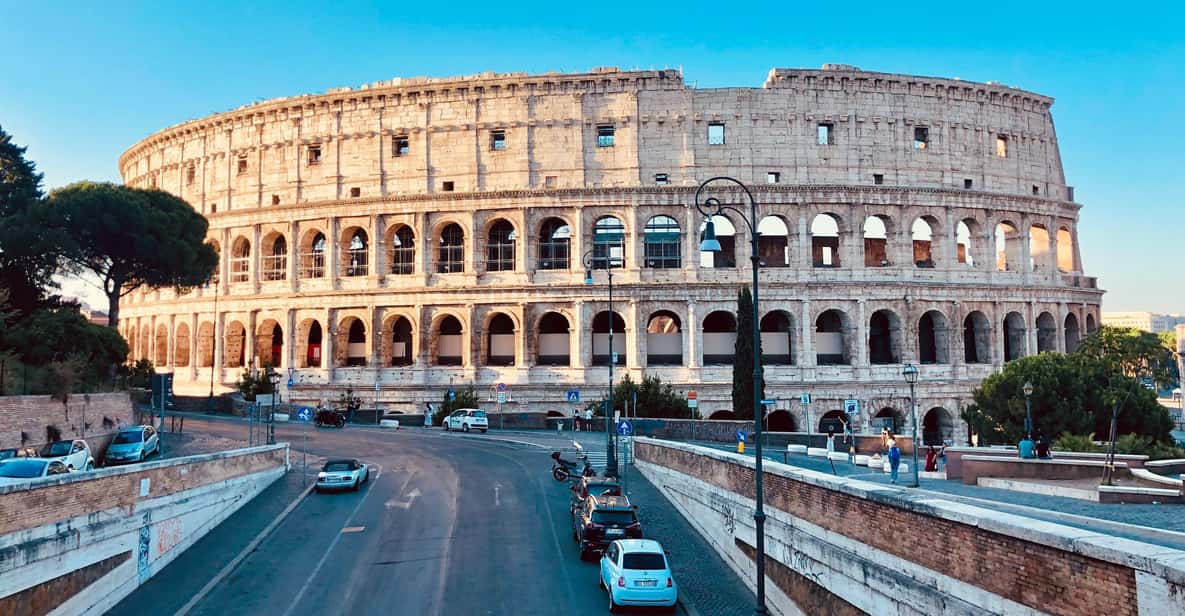
The headline is the underground portion: the network of chambers and tunnels beneath the arena. This is where the Colosseum stops being a “big ruin” and becomes a functioning machine.
You go down into the hypogeum, the staging area under the arena floor, and you see mechanisms used to bring animals and performers up into view. That detail changes how you read the whole building. Instead of imagining the show happening magically on the top, you understand the logistics: space to prepare, systems to move, and a layout built for spectacle.
This part also gives you a rare vantage point for how Romans staged drama. You’re standing in spaces that were built for controlled movement and timing—exactly the kind of place where discipline mattered. Your guide weaves in stories around cruelty, discipline, and clemency, so the spectacle connects to real human behavior and power games.
Standing where the show started: arena level footsteps
After the underground section, you return to the arena level and walk in the footsteps of ancient spectators. That sounds poetic, but the practical value is your orientation. With the underground explained first, the arena becomes clearer: where people stood, how movement would have looked, and why certain views mattered.
You also learn the engineering behind the structure—how architecture and design created an amphitheater that could hold crowds and stage complex events. You don’t need to be an architecture nerd. If you’re even mildly curious, the guide’s narration turns the details into something you can picture.
A small but real bonus: the group is guided through the flow so you’re not stuck hunting for your next stop. With the crowd levels the Colosseum attracts, that alone can make the experience feel smoother than you expected.
Roman Forum: temples, basilicas, and power politics
The tour shifts from performance Rome to government Rome. The Roman Forum is where the city’s big decisions happened, and the walking here is what makes it click. You move among ruins of temples, basilicas, and government buildings, and your guide connects them to the politics of emperors and the machinery of public life.
You’ll pass by points connected to major players, including the Arch of Titus and remains of the Temple of Saturn. Seeing them with commentary is the difference between scattered stones and a functioning map. The guide’s storytelling also helps you understand why certain buildings mattered more than others. It’s not just where people went; it’s why they went there.
This stop is guided for about 45 minutes, which is a good length. It gives you a guided foundation without forcing you to rush past everything you’d want to look at longer on your own.





Palatine Hill and Domitian’s palace: views plus context
Next comes Palatine Hill, another guided stretch of about 45 minutes. Here you get the best kind of combo: ruins you can walk through plus the sweeping city views that make the hill feel like Rome’s “why bother building here?” answer.
A highlight is the Palace of Domitian area. That’s the kind of detail that makes a tour feel specific instead of generic. You’re not just touring for famous names; you’re learning what this part of the hill represented and why it belonged to power.
Palatine Hill also benefits from the earlier Colosseum and Forum context. By the time you arrive, you’ve already seen how Rome staged spectacle and governed itself. The hill becomes another layer in the same story: status, control, and the built environment doing the talking.
Why this tour feels worth the price
At $163.11 per person, this is not the cheapest way to do the Colosseum. But the value comes from three things working together: timing, access, and coverage.
First, you get skip-the-line entry, which can save you serious time on one of the most time-sensitive tickets in Rome. Second, you’re paying specifically for underground access—an element many people find difficult to arrange by themselves. Third, the ticket doesn’t end at the Colosseum. You also cover the Roman Forum and Palatine Hill on the same guided circuit, so you’re not juggling separate reservations and separate learning curves.
Also, the guides seem to elevate the experience in a very practical way. Names like Amanda, Renata, Lorenzo, and Sabrina pop up for their ability to keep people moving and understanding what they’re seeing. One review even highlighted how a guide made sure different heights could still see important points—small, but that’s exactly how you know a guide is paying attention to the group.
What to bring (and what to leave behind)
Keep your day simple. Bring water, and plan to carry passport or ID (a copy is accepted). Wear comfortable shoes because you’ll be walking more than you expect, including uneven terrain.
Don’t bring weapons or sharp objects. Leave luggage or large bags at home, and avoid pets (assistance dogs are allowed). Also skip sprays/aerosols and glass objects. It’s the usual museum-and-security reality, but it can affect your experience if you show up overpacked.
And here’s the important call: this is not suitable for wheelchair users or people with mobility impairments. If that includes you or someone in your group, don’t try to “power through.” Pick an alternative format where the ground is manageable.
Best fit: who should book this
I think this tour is a strong match if you want more than selfies. You’ll enjoy it if you like stories tied to the real physical layout—especially the underground staging spaces—and you want context for both the Forum and Palatine Hill without building your own route.
It’s also a great pick for first-timers who feel overwhelmed by Rome’s scale. The guide becomes your filter. You’ll know what to look at, why it mattered, and how the pieces connect.
If you hate crowding, be realistic: this is the Colosseum. But the way the tour is structured, you’re less likely to get stuck wandering. Guides also tend to manage the group so you can actually hear and see key moments.
Should you book the Colosseum Underground tour?
Yes, if you care about doing the Colosseum in a way that explains how it worked, not just how it looks. The underground access, the guided arena level orientation, and the added stops at the Roman Forum and Palatine Hill make it feel like a full ancient-city day rather than a quick photo hit.
Don’t book it if mobility is an issue for you or your group. The terrain and the tour’s format aren’t a fit, and you’ll have a better time choosing something easier on your feet.
If you’re deciding between cheaper, self-guided tickets and this guided package, I’d lean guided here. The time saved plus the underground access are the big reasons this one tends to feel like a smart use of limited vacation hours.
FAQ
How long is the Rome Colosseum Underground guided tour?
The duration is listed as 3 hours. Starting times vary based on availability.
Where do I meet the guide?
Meet your guide right next to the Arch of Constantine. The guide will be holding a red Trajan Tours sign.
What does the tour include?
Entry includes the Colosseum Underground and Arena Floor, plus Palatine Hill and the Roman Forum. You also get a guided tour covering those areas.
Is the tour in English?
Yes, the tour guide provides the experience in English.
Does the tour include skip-the-line entry?
Yes, it includes skip the ticket line.
What happens during the underground portion?
You descend into the Colosseum’s subterranean spaces, explore the hypogeum staging area beneath the arena floor, and see the mechanisms used for bringing animals and performers up to the arena level.
What should I bring?
Bring water, and carry a passport or ID card (a copy is accepted).
Are large bags or luggage allowed?
No. Luggage or large bags are not allowed.
Is this tour suitable for wheelchair users?
No. It is not suitable for wheelchair users or people with mobility impairments due to uneven surfaces.
What’s the cancellation policy?
Free cancellation is available up to 3 days in advance for a full refund.