REVIEW · ROME
Rome: Domus Aurea Guided Group Tour
Book on GetYourGuide →Operated by Through Eternity Tours · Bookable on GetYourGuide
Rome has a ceiling you cannot see. Down in Nero’s Golden House (Domus Aurea), you explore an active excavation site and see how emperors tried to rewrite reality. I love that this tour pairs real, excavated rooms with high-tech virtual reality so you can picture what you’re standing in—and why it matters.
I also love two things most: the exclusive access to restored areas that aren’t always open, and the way the guide connects Nero’s choices to what survived in paint, stone, and architecture. Guides like Elena and Monica show up with clear storytelling and lots of time for questions, even when kids are in the mix.
The main drawback is physical: this is an underground walking tour with steps, staircases, and uneven surfaces, and it’s not suitable for wheelchair users. If you’re sensitive to cold or exertion, bring warm layers and give yourself a little extra buffer.
In This Review
- Key Things You Should Know Before You Go
- Nero’s Golden House Is Where Rome Keeps Secrets
- Finding Oppio Caffè and Spotting Your Through Eternity Guide
- The Walking Tour Part: What It Feels Like Underground
- Touring Nero’s Palace: What You’ll See in the Excavated Rooms
- The Big Story Nero’s Palace Tells After the 64 A.D. Fire
- Learning the Domus Aurea Through Nero to the Renaissance
- Virtual Reality and Multimedia: The Best Time to Watch, Not Guess
- The Guide Makes the Difference (And Many Are Top Tier)
- Price and Value: Why This Costs $55 (And When It’s Worth It)
- Practical Tips Before You Commit
- Who Should Book This Domus Aurea Tour?
- Should You Book the Rome Domus Aurea Guided Group Tour?
- FAQ
- How long is the Domus Aurea guided group tour?
- Where does the tour start, and how do I find the guide?
- What language is the tour offered in?
- What’s included besides the guided visit?
- What should I bring with me?
- Is this tour suitable for wheelchair users?
Key Things You Should Know Before You Go
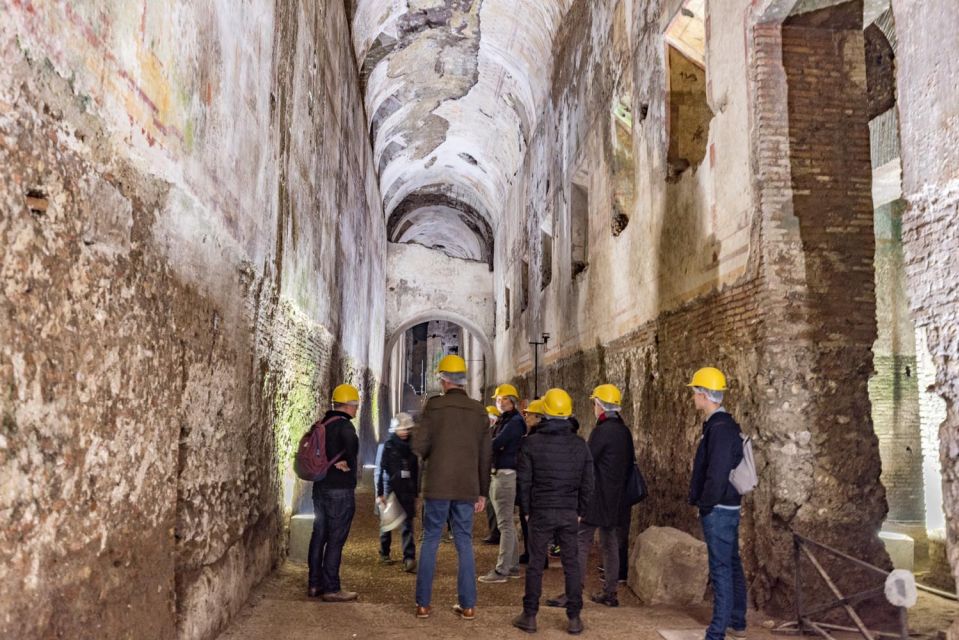
- Exclusive access to the excavated Domus Aurea rooms in a site that stays active
- Archaeologist guide in English with time for your questions
- Virtual reality and multimedia to reconstruct Nero’s palace as it once looked
- Frescoes, vaults, and restored surfaces you can actually see up close
- A historical thread from Nero through later periods like the Renaissance
- Skip-the-line express security check to keep your visit on track
Nero’s Golden House Is Where Rome Keeps Secrets
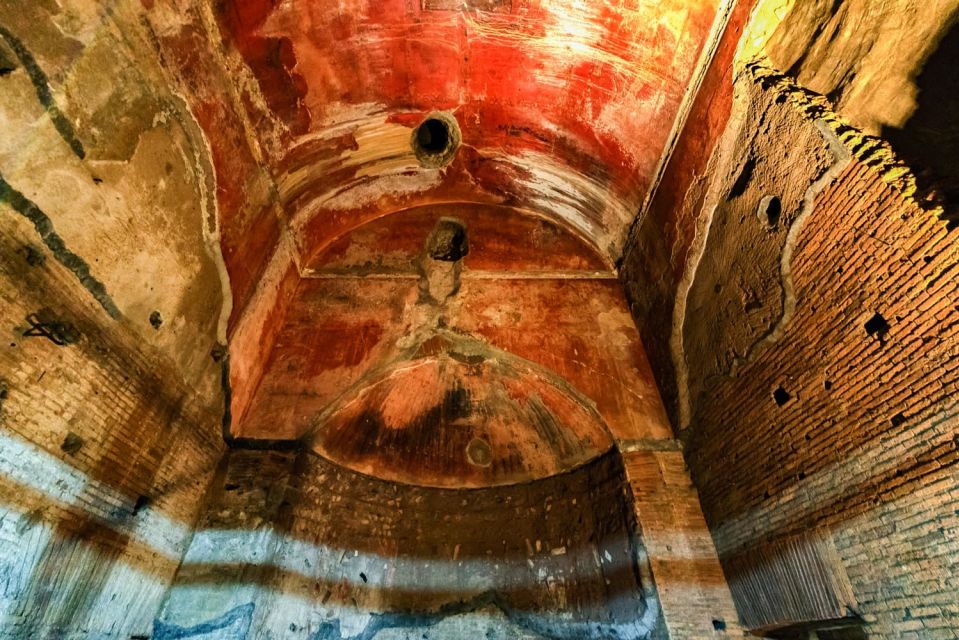
Most big Roman sights are above ground: forums, temples, colosseum crowds. Domus Aurea is different. You go underground to an excavation site that’s still being worked on, and that alone changes the mood. The rooms feel cool, the air feels old, and the scale lands in a way that postcards never show.
This is Nero’s palace—his attempt at control, spectacle, and ego in architecture form. The Domus Aurea wasn’t just a home; it was an entire statement, built right over the damaged fabric of Rome after a fire in 64 A.D. Your guide doesn’t treat it like a detached museum artifact. Instead, they connect the design choices to Nero’s life and to the city’s shifting power.
And even if you think you know Roman history, this place has a way of resetting your expectations. One review noted how the Domus Aurea felt close to the Colosseum area, but still functions like a true “you didn’t realize it existed” stop—mostly because so many people never plan it.
You can also read our reviews of more guided tours in Rome



Finding Oppio Caffè and Spotting Your Through Eternity Guide
Your tour starts at Oppio Caffè, at the corner of Via Nicola Salvi and Via delle Terme di Tito. If you’re using GPS, the exact address is Via delle Terme di Tito 72.
Look for your guide with a Through Eternity sign or flag. Getting this part right is worth it because the schedule depends on your group checking in and moving through security promptly.
The tour includes an English-speaking archaeologist guide, and it also includes a reservation. That matters in Rome. It helps your experience feel like an organized visit rather than a scramble for entry times.
One practical note: transportation to and from the meeting and end points isn’t included. You’ll want a clear plan for how you’re getting back to your hotel after the tour ends at Domus Aurea.
The Walking Tour Part: What It Feels Like Underground
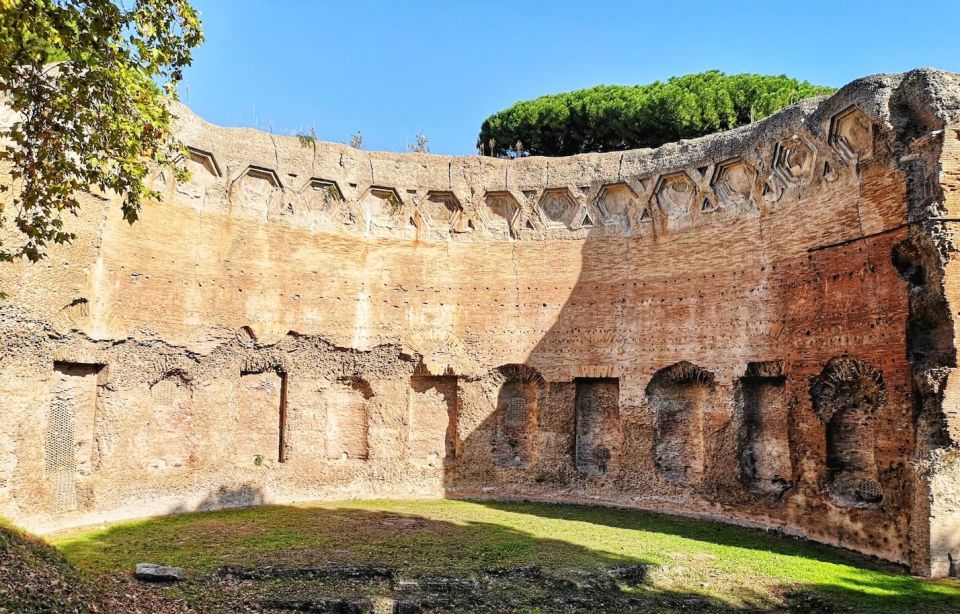
Expect a real walking experience, not a “sit and listen” lecture. The tour runs for about 2 hours, and it takes you through areas with steps, staircases, and uneven surfaces. I strongly recommend comfortable walking shoes—more grip than you think you’ll need.
Dress for the underground temperature. Warm clothing is specifically recommended, and it makes sense once you’re down in the excavated sections. Bring water too, especially if you’re visiting during a hot stretch in Rome.
Your tour also has a no-large-bags rule. Luggage and oversized bags aren’t allowed, so plan to travel light that day. If you’re carrying a daypack, keep it manageable and be ready to consolidate anything bulky.
A good sign before you even start: reviews repeatedly mention that the experience feels well paced and that the smaller-group format helps you keep up without getting rushed. One person even called out how small groups are allowed at the site, which is a big deal here. It means you can actually hear explanations and see details before the room moves on.
Touring Nero’s Palace: What You’ll See in the Excavated Rooms
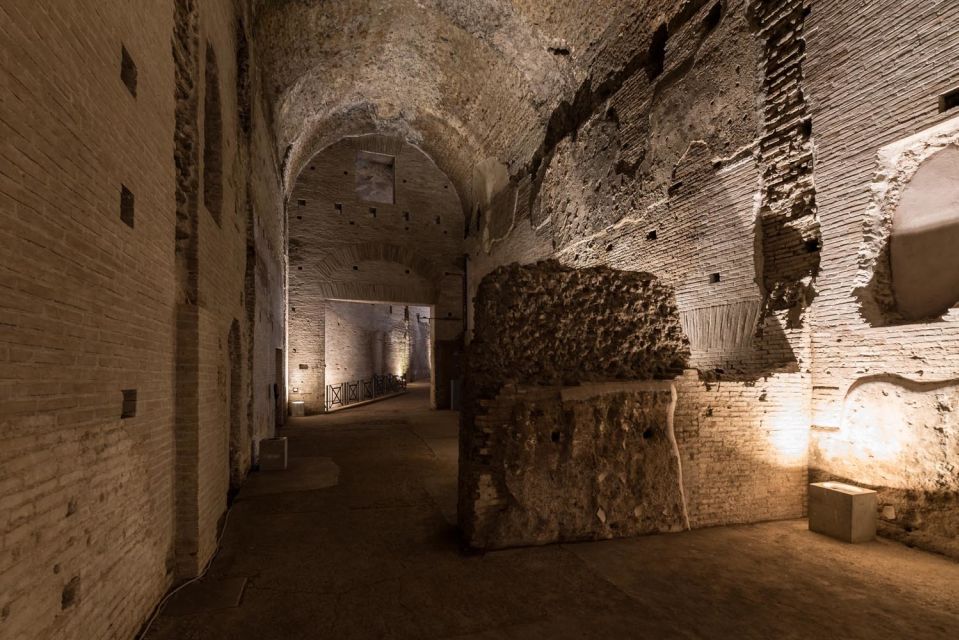
Once you’re inside, your guide walks you through the surviving parts of Nero’s Golden House—rooms and vaults that have been restored after centuries underground. The tour isn’t just about looking at ruins. It’s about understanding how the palace worked as an environment.
Here’s what stands out when you’re there:
- You’ll see excavated ruins connected to the palace’s layout and design.
- You’ll focus on architecture: soaring vaults and spaces that feel engineered for drama.
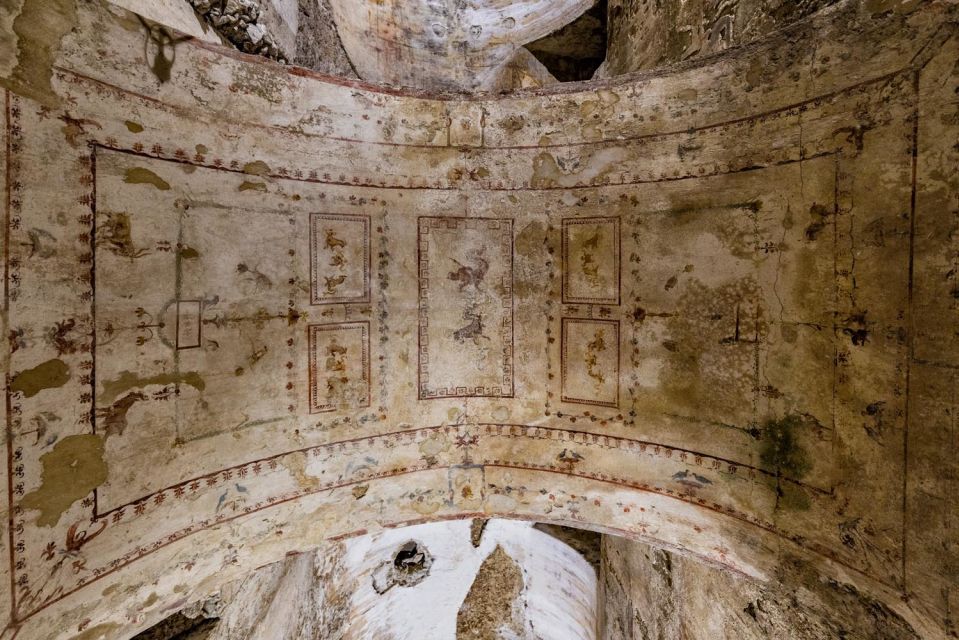
- You’ll get time with preserved elements like frescoes and decorative surfaces.
Multiple reviews mention frescoes and specific surviving walls, and one pointed to a surviving pavilion and wall frescoes as particularly interesting. That fits the overall vibe: you’re not trying to imagine everything from scratch. You’re seeing what survived—and then using the tech at the right moment to fill in the missing parts.
One more thing: this is described as an active archaeological site, and that’s not just marketing. You’re not touring a dead set. Restoration and conservation are ongoing, which helps explain why access can be limited.
The Big Story Nero’s Palace Tells After the 64 A.D. Fire
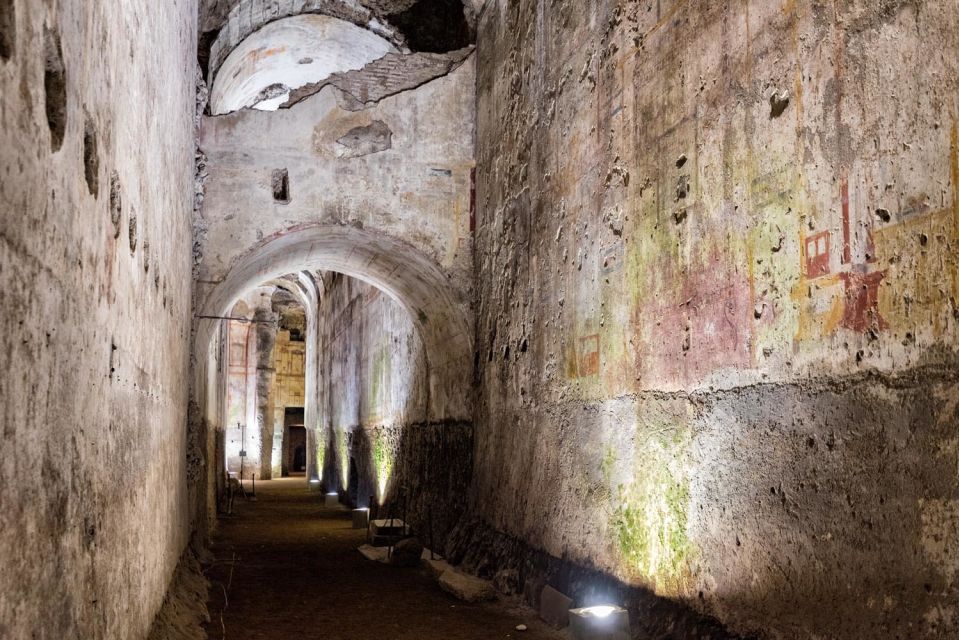
The Domus Aurea starts with catastrophe and power. In 64 A.D., a fire devastated Rome. Nero’s architects responded by building an immense dwelling over the smoldering remains.
Some of the details the guide shares are almost too wild to be real:
- A rotating dining room that opened to the starry night sky
- A massive artificial lake inside the palace complex
Then the political story turns. In 68 A.D., Nero’s behavior caught up with him and he was forced to commit suicide. After that, the palace was demolished by his successors—so quickly that it almost sounds like they wanted the memory wiped before the paint even dried.
History then adds an even sharper twist: the artificial lake was filled in, and in its place the Flavian Amphitheatre was erected only a few years later. In other words, parts of the city that later become famous have a complicated backstory sitting right under them.
This is where the tour becomes more than a cool underground walk. You start to see Rome as layered decisions: what rulers built, what they destroyed, and what later regimes chose to replace.
And that makes the preserved rooms feel more intense. They’re not just pretty architecture. They’re physical proof of how quickly empires rewrite their own narratives.





Learning the Domus Aurea Through Nero to the Renaissance
One of the tour’s selling points is that you don’t just stop at Nero’s time. You also learn about the Domus Aurea up to later periods, including the Renaissance.
Why does that matter for you? Because it changes how you interpret what you see. When you know the site influenced how later people understood art, decoration, and classical ideas, the frescoes and architectural choices become part of a longer chain—not just a single emperor’s obsession.
Guides like Renarta and Valentina are repeatedly praised for connecting the dots, including helping visitors understand how the Renaissance movement relates to what was rediscovered and reinterpreted. Even if you’re not chasing art history terminology, this context helps your brain place the Domus Aurea in the bigger Rome story.
Virtual Reality and Multimedia: The Best Time to Watch, Not Guess
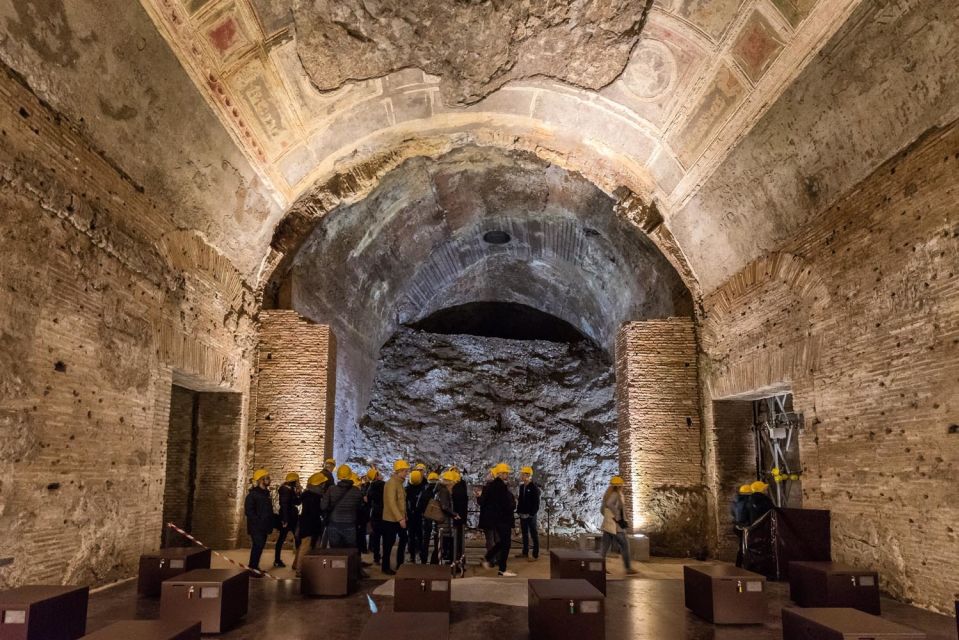
The Virtual Reality Experience is included, and this is one reason the tour earns strong marks. The VR is not treated as a gimmick. It’s timed to help you visualize what you can’t fully reconstruct with your eyes alone—how the palace may have looked, how the space sat in its environment, and how the rooms might have felt in motion.
Reviews mention VR in glowing terms:
- One called the 3D experience breathtaking
- Another praised how it allowed you to see the buildings and terrain in Nero’s time
- A separate comment highlighted a futuristic, visual way to understand what the area looked like when it was new
So here’s my practical advice: don’t rush the VR. Let it do its job. Look for how the reconstructed palace aligns with the excavated surfaces you just saw. That “match-up moment” is where VR turns from entertainment into understanding.
If you like multimedia, this tour uses it effectively. If you’re skeptical, keep your expectations grounded: you’re not getting a perfect recreation of everything. You’re getting a guided, helpful reconstruction to make the surviving remains make sense.
The Guide Makes the Difference (And Many Are Top Tier)
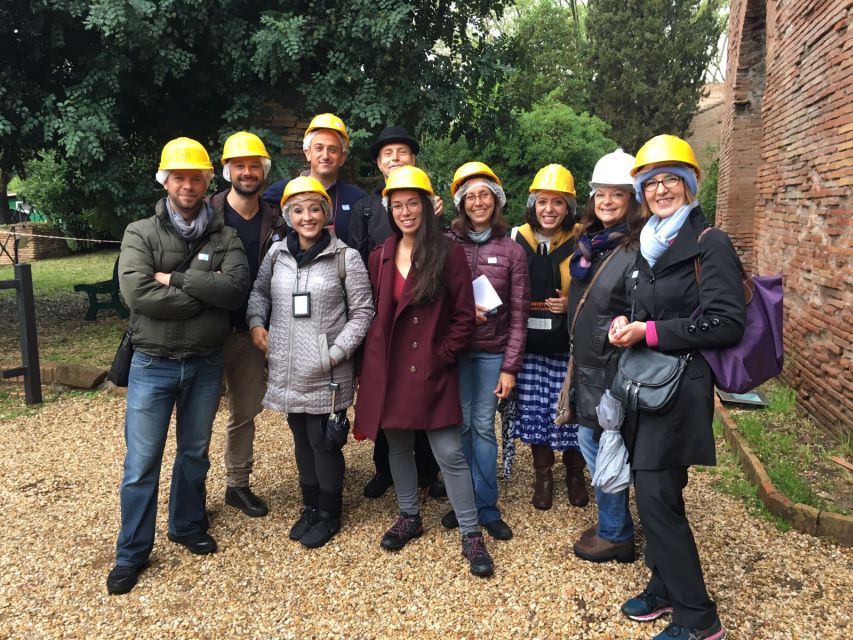
The tour’s centerpiece is the archaeologist guide in English. And the quality of delivery comes through in the reviews in a very consistent way: guides are friendly, handle questions well, and keep families engaged.
Names that show up in the feedback include:
- Elena (praised for making the tour enjoyable and informative)
- Monica (called out for being the absolute best and for fielding questions)
- Renarta (praised as superb, with strong storytelling)
- Thomas (highlighted as fun and educational)
- Valentina (praised for passion, clarity, and making the space feel alive)
- Brandon (praised for being excellent and engaging)
- Patrick, Federico, Frank, and Marco (praised for knowledge, pacing, or friendly explanations)
One pattern I’d pay attention to: clear explanations matter underground. A couple comments note occasions where hearing or clarity was an issue. That doesn’t mean the tour is bad—it’s just a reminder that acoustics can be tricky in underground spaces and the guide’s volume may vary.
If you’re hard of hearing or want extra comfort, show up early at the meeting point, stand close to the guide when possible, and don’t be shy about asking them to repeat a key detail.
Price and Value: Why This Costs $55 (And When It’s Worth It)
At $55 per person for a 2-hour guided experience, this is not a budget throwaway. But the price makes more sense when you match it to what’s included:
- Exclusive access to Domus Aurea areas open through this visit format
- An archaeologist guide in English
- Virtual reality included
- Tickets and reservation fees
- Express security check to save time
The value argument here is simple: you’re paying for access plus interpretation plus technology. Most places in Rome charge for the ticket, but they don’t always provide strong context or a way to visualize what’s missing. Here, you get both.
Also, multiple reviews emphasize that the experience feels special because access is limited and the tour size tends to stay manageable. That’s not a small thing in Rome. It affects your ability to look, listen, and ask questions without feeling like part of a conveyor belt.
If you’re the type who loves architecture, Roman power history, and seeing how ruins connect to later art movements, this price looks fair. If you’re only after a quick photo stop, you might feel the cost more than the payoff.
Practical Tips Before You Commit
A few things will help you get the smoothest visit possible:
- Bring comfortable shoes for steps and uneven surfaces
- Pack water and a small layer of warm clothing for the underground spaces
- Travel light. Luggage or large bags aren’t allowed
- Plan your timing so you’re not rushing afterward, since you end at Domus Aurea
If you have mobility concerns, let the provider know during booking so they can make accommodations if possible. Wheelchair users should plan for an alternative, since this tour isn’t suitable.
Who Should Book This Domus Aurea Tour?
This is a strong fit if:
- You want something different from the usual Colosseum-and-friends circuit
- You like archaeology that feels alive, not frozen behind glass
- You enjoy learning how one ruler’s choices shaped what Rome built next
- You want VR and multimedia that help you understand the space
It may be a weaker fit if:
- You can’t handle staircases and uneven ground
- You prefer fully above-ground sightseeing only
- You dislike tech-based components like VR (though it’s included and built into the flow)
For many families, it seems to work well too. Several comments mention guides handling kids’ questions with patience, which is often the real test of whether a tour is worth doing with younger visitors.
Should You Book the Rome Domus Aurea Guided Group Tour?
I think you should book this tour if you want a high-impact experience without spending all day. Two hours is a tight window, and Domus Aurea packs a lot into that time: restored underground rooms, frescoes, a clear Nero-centered story, and VR that helps you visualize the palace as it once functioned.
If you’re unsure, use this quick checklist:
- You’re curious about Nero beyond scandal headlines
- You like seeing restoration and excavation in action
- You’re okay with walking on uneven, stepped ground underground
If you can check those boxes, Domus Aurea is one of the most satisfying “Rome surprise” tours you can do. And with exclusive access plus VR baked in, the $55 feels like a direct payment for access and understanding—not just a ticket.
FAQ
How long is the Domus Aurea guided group tour?
The tour lasts 2 hours.
Where does the tour start, and how do I find the guide?
It starts at the corner of Via Nicola Salvi and Via delle Terme di Tito in front of Oppio Caffè. If you’re using GPS, use Via delle Terme di Tito 72. The guide will have a Through Eternity sign or flag.
What language is the tour offered in?
The tour is offered in English, with an English-speaking archaeologist guide.
What’s included besides the guided visit?
Included are exclusive access to the Domus Aurea, a Virtual Reality Experience, tickets and reservation fees, and an express security check.
What should I bring with me?
Bring comfortable shoes, warm clothing, and water.
Is this tour suitable for wheelchair users?
No, it is not suitable for wheelchair users.