REVIEW · ROME
Ancient Rome Guided Tour: Colosseum, Forum and Palatine & Pick Up
Book on Viator →Operated by Gray Line I Love Rome by Carrani Tours · Bookable on Viator
Ancient Rome never takes a day off. In one tight 3 hours 30 minutes, this guided tour strings together the Colosseum, Roman Forum, and Palatine Hill so you’re not spending your whole trip stuck in ticket lines. It also includes hotel pickup, admission to all three sites, and wireless headsets so you can actually hear the story while you walk.
I especially like the order of the stops. Starting up at Palatine Hill makes the Forum feel real fast, because you’re looking down from the height where the Roman elite built power into the landscape. I also like the human touch in the experience: guides keep the pace moving, and on hot days they’ve been noted for shade and water breaks.
The main drawback to plan for is the physical side. This is an active walk over old stone and uneven surfaces, and it’s not recommended if you have impaired mobility, so wear the right shoes and expect some grinding footsteps.
In This Review
- Key things to know before you go
- Why Palatine Hill, the Forum, and the Colosseum work in one half-day
- Hotel pickup: the easy start, plus the timing reality
- Palatine Hill: the height that makes the Forum make sense
- Colosseum entry: reserved access, headsets, and crowd control
- Roman Forum: the Via Sacra and the political core you can walk through
- What it feels like in your shoes: pace, cobblestones, and shade strategy
- How much you’re paying—and what makes it feel worth it
- Which kind of traveler this tour is perfect for
- Should you book this Ancient Rome Colosseum, Forum and Palatine tour?
- FAQ
- What stops are included in the tour?
- Is hotel pickup included, and what if my hotel isn’t covered?
- What should I bring for admission?
- Is the tour only for people with high mobility?
- How big are the groups?
- If I cancel, will I get a refund?
Key things to know before you go
- Hotel pickup is a big convenience win, especially if you’re short on time in Rome.
- Reserved Colosseum entry is built in, with the admission ticket plus a reservation fee included.
- Wireless headsets help you keep up, even when crowds squeeze in.
- Palatine Hill sets the stage with panoramic views over the Forum and Circus Maximus area.
- The Roman Forum walk focuses on the Via Sacra and the political heart of ancient Rome.
- Group size maxes at 20, which usually makes it easier to manage than giant crowds.
Why Palatine Hill, the Forum, and the Colosseum work in one half-day
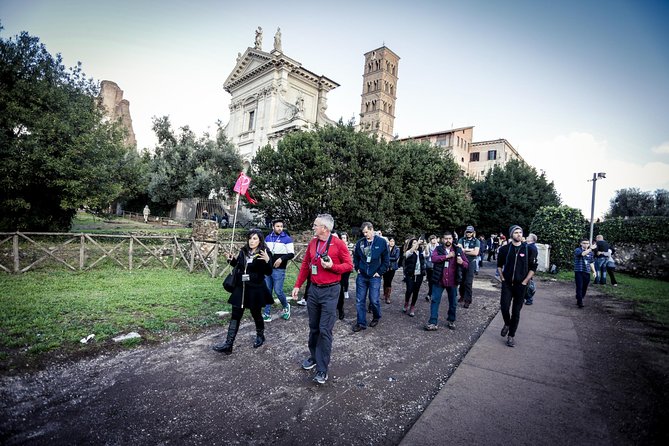
This is a classic first-timer combo, because it hits Rome’s “big three” in one go. You’re bouncing between the places where emperors lived and watched, the place where politics played out, and the arena where Romans gathered for spectacle. Done well, it feels like walking through one connected story instead of three random ruins.
The time is short on purpose. You get about 3.5 hours total, so you’ll be moving steadily rather than lingering for hours at one stop. That’s great if you want efficiency, but it also means you should go in knowing you won’t see every corner at a leisurely museum pace.
One smart part of the route is the way Palatine Hill frames everything else. Palatine sits on the Seven Hills and rises roughly 40 meters above the Roman Forum, giving you an instant “who had the view” perspective. Then the Forum reads differently, because you’re not just looking at ruins—you’re orienting yourself to how power flowed through the city.
You can also read our reviews of more guided tours in Rome



Hotel pickup: the easy start, plus the timing reality
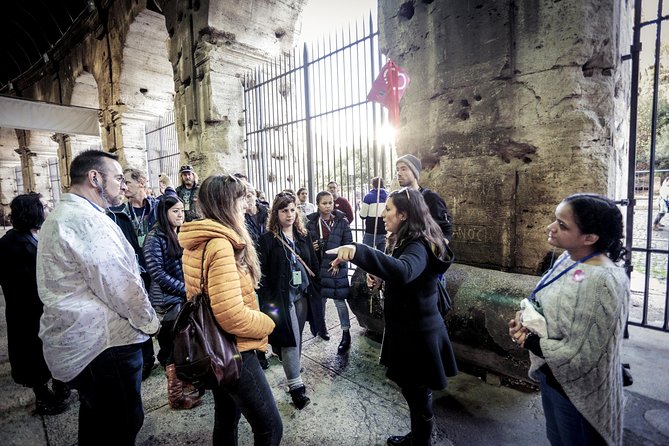
The pickup option is one of the biggest reasons people choose this tour. You’re told to be ready 45 minutes before departure in your hotel lobby, or 60 minutes for non-central hotels. That early window matters because pickup is only smooth if everyone is actually out front and waiting.
If your hotel isn’t covered, you’ll need to make your own way to the backup meeting point: Colle Oppio Park (Via delle Terme di Tito, corner of Via Nicola Salvi), inside the park. The tour guidance is clear that you should check coverage with reception or contact the booking office, so do that before the day of the tour.
A small caution: pickup can be a source of stress when timing messages are unclear. Plan to follow the stated “be ready” time rather than waiting for a late knock, and keep your phone charged in case you need to confirm where the van is coming from.
Palatine Hill: the height that makes the Forum make sense

Palatine Hill is the center of the Seven Hills of Rome and one of the oldest parts of the city. It’s the spot tied to early imperial presence, including Augustus-era palaces, and it sits above major landmarks like the Roman Forum. On this tour, you’re not just walking among ruins—you’re getting a view that helps you understand why Romans cared about elevation.
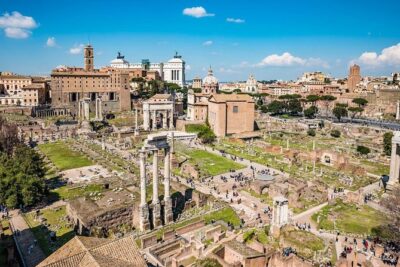
The height is the point. From Palatine you can look down toward the Roman Forum and across toward the Circus Maximus area. That panoramic angle is useful for photos, sure, but it’s more than that: it helps you visualize how the city’s power centers were arranged in real space.
You also get a historical thread during the Palatine portion: the Roman triumphus—a civil and religious victory ceremony. The idea is simple but strong: Rome didn’t just win wars; it staged victory as public ritual. When you connect that ceremony theme with the surrounding Forum area, the ruins start to feel like stages, not leftovers.
Colosseum entry: reserved access, headsets, and crowd control
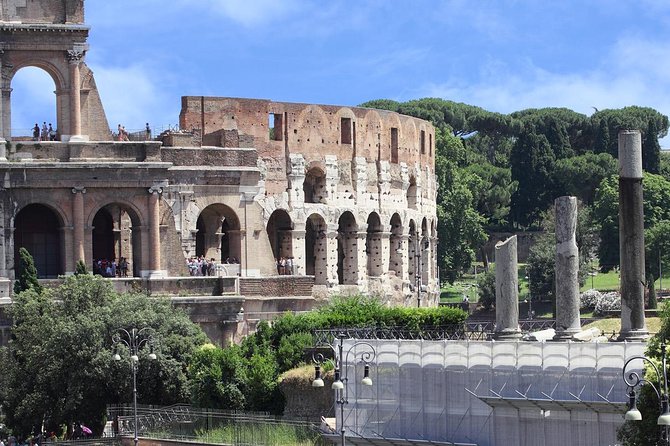
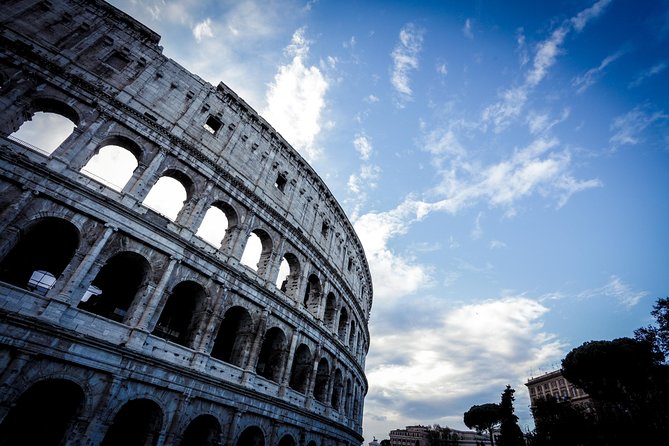
The Colosseum is the centerpiece: an oval amphitheater built with travertine, tuff, and brick-faced concrete, and described as the largest amphitheater ever built. It’s located just east of the Roman Forum, so by the time you reach it, you’ve already been oriented by the earlier views.
What you’re getting here is guided access plus reserved entry. The tour includes the Colosseum admission ticket (valued at €18) and a €2 reservation fee. Even if you’ve visited big attractions before, reserved entry matters in Rome because queues and crowd timing can eat up your day.
You’ll also use wireless audio headsets, which is a practical upgrade. In dense crowds, it’s easy to lose your guide’s voice, and headsets keep the explanation attached to what you’re seeing.
On hot days, the best guides in this type of tour have a pattern: they keep people comfortable. Reviews specifically mention water and shade breaks with guides who manage the pace thoughtfully, and that’s a big deal in summer when standing in direct sun can turn “history lesson” into “heat management seminar.” Bring sunscreen and a hat—your feet may be willing, but your brain can get sluggish if you bake.
One more non-negotiable: you must bring a passport or ID card for admission. If you have a pacemaker, you’ll also need to show a certificate to be admitted. Plan for that before you leave your hotel.
Roman Forum: the Via Sacra and the political core you can walk through
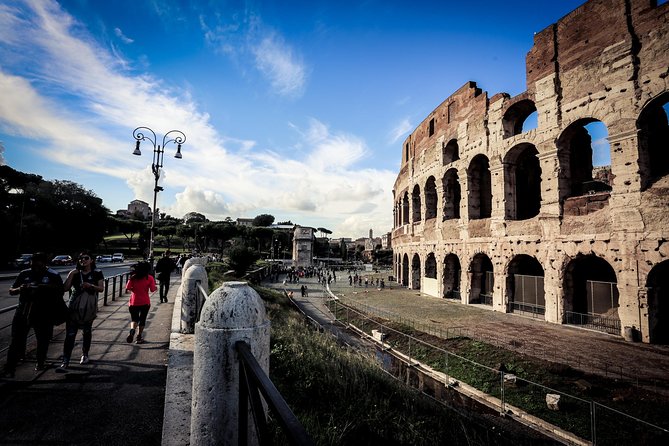
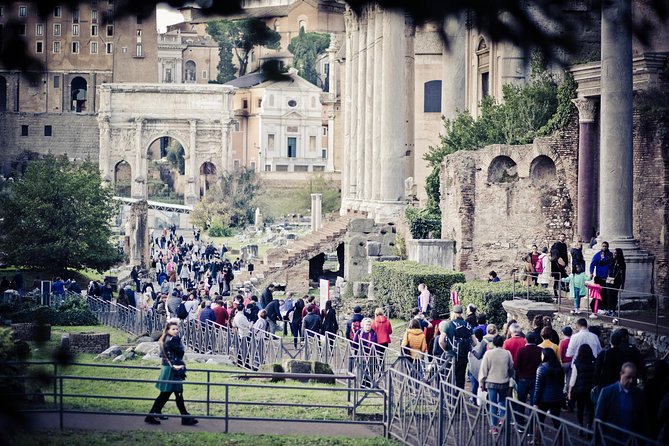
The Roman Forum (Forum Romanum) is the ruins-filled plaza surrounded by remains of major government buildings—once the center of political life. Even the basics are worth repeating: Romans originally used this space as a marketplace, and the scale of what you’re looking at is why it mattered so much.
This stop is where the tour’s “connections” become clear. You’ll hear about the Via Sacra, the Sacred Road, which ran from the Capitoline Hill down through key religious sites and into the Forum, widening in spots, and continuing toward the Colosseum. The walking route makes more sense when you understand it as a processional path, not just a street between ruins.
There’s also a modern overlay to notice: the Via dei Fori Imperiali runs in a straight line from Piazza Venezia to the Colosseum, passing over parts of several Imperial forums. Even if you’re not stopping to read every sign, your position on the walkway gives you a sense of how long this corridor has mattered—from ancient power paths to modern viewing angles.
Practical reality check: it’s still ruins, which means uneven ground, shifting sightlines, and lots of people trying to take the same photo. Go in ready to move and ready to look up and around, not just straight ahead.





What it feels like in your shoes: pace, cobblestones, and shade strategy
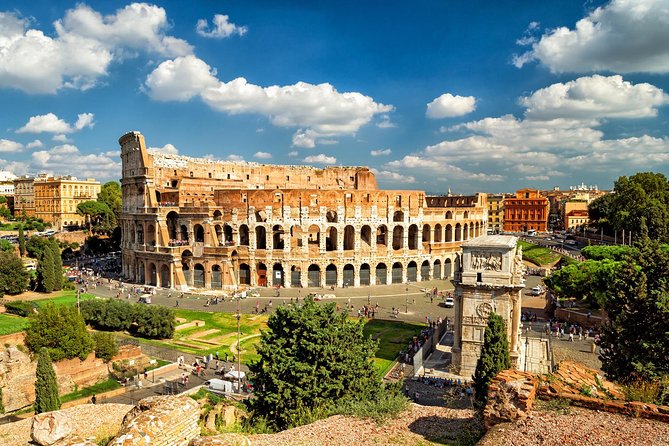
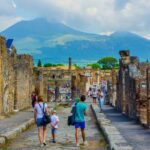
This tour is active. One review notes the surfaces can include cobblestones and marble slabs, so stiff-soled sandals are not the move. If you’ve only packed “cute walking shoes,” this is your moment to swap them for something with real grip and cushion.
Heat matters too. Multiple experiences mention that it can be sunny and hot throughout. When guides are at their best, they adjust—finding shade, giving water breaks, and keeping the group together so people aren’t constantly scrambling.
Guide style can vary. Some guides are praised for keeping the group organized and explaining clearly, while a few mentions complain about uneven pacing or missing chances for photos. That doesn’t mean the tour is bad—it means you should be proactive: keep an eye on your guide’s instructions, use the time for photos when the group pauses, and don’t count on a long scenic window at the end of a stop.
If you’re traveling with kids or tweens, pacing is a key factor. There are positive mentions of guides being patient and adjusting to families, which is a good sign this tour can work for multi-age groups—as long as you go into it expecting a steady walk.
How much you’re paying—and what makes it feel worth it
At $98.86 per person, you’re paying for a short, guided, high-demand route that bundles three major sites. The included admissions cover the Colosseum (and its reservation element) and the Forum and Palatine Hill entry. The rest of the cost covers the services that are hard to DIY smoothly in a short Rome window: a guided explanation, wireless headsets, and transportation/pickup.
If you tried to assemble this yourself, you’d likely spend time juggling tickets and timing, and you’d probably lose the “story flow” that comes from having one guide connecting Palatine, Via Sacra, and the Colosseum. This tour’s biggest value is not that it’s cheaper than buying tickets—it’s that it saves your energy so you can spend it actually seeing Rome.
Also, be realistic about what’s not included. There are no meals or beverages, so plan a snack strategy before or after. If you’re doing this during a hot stretch, water is not optional, even if the guide offers breaks.
Which kind of traveler this tour is perfect for
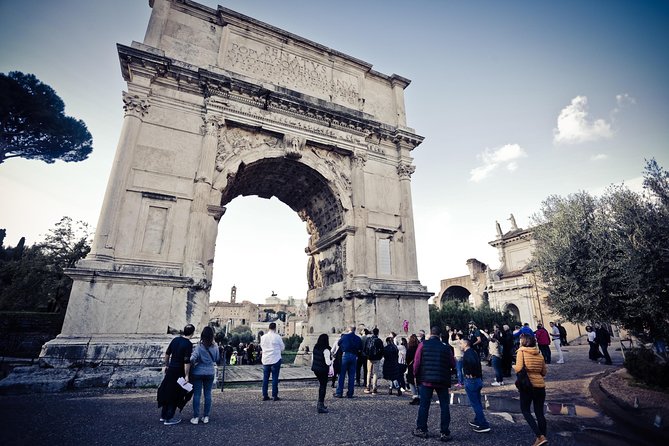
This works best when you want a guided hit of Rome’s greatest hits without turning your day into logistics. If you’re short on time, it’s a strong way to get oriented fast: Palatine height → Forum politics → Colosseum spectacle.
It’s also a good pick for people who like story-driven tours. You’ll hear not only about what you’re seeing, but why Romans built and celebrated power—like the triumphus theme woven into the stops. Guide personality shows up in the reviews too: names like Marcello V, Nicoletta, Rita, Alessa, and Leticia (Letty) come up as examples of people who made the history feel lively and the pacing manageable.
If you have impaired mobility, skip this one. The tour notes it’s not recommended for that situation, and the surfaces and walking volume can be unforgiving.
Should you book this Ancient Rome Colosseum, Forum and Palatine tour?
If you want an efficient half-day that strings together the Roman Forum, Palatine Hill, and the Colosseum with reserved entry and a guide who helps you understand what you’re looking at, I’d say this is a smart booking. The combination of hotel pickup and headsets is the kind of practical upgrade that makes a big difference when crowds and heat are both in play.
I’d hold off only if you know you struggle with active walking on uneven stone or you’re expecting lots of downtime. This is a “see the essentials, keep moving” tour. Pack for the weather, bring your passport/ID, and you’ll get a tight, memorable Rome storyline in just a few hours.
FAQ
What stops are included in the tour?
You’ll visit Palatine Hill, the Colosseum, and the Roman Forum. Entrance is included for all three, and you’ll also get guided time in the archaeological areas.
Is hotel pickup included, and what if my hotel isn’t covered?
Pickup is offered. You should be ready 45 minutes before departure in your hotel lobby (or 60 minutes for non-central hotels). If pickup doesn’t cover your hotel, you’ll go to Colle Oppio Park (Via delle Terme di Tito, corner of Via Nicola Salvi), inside the park.
What should I bring for admission?
You must bring your passport or ID card on the day of the tour. If you have a pacemaker, you’ll need to show a certificate to be admitted.
Is the tour only for people with high mobility?
The tour notes it is not recommended for individuals with impaired mobility. You should have a moderate physical fitness level and expect walking.
How big are the groups?
This experience has a maximum of 20 travelers.
If I cancel, will I get a refund?
Cancellation is free if you cancel up to 24 hours in advance. If you cancel less than 24 hours before the start time, the amount paid is not refunded.