REVIEW · JEWISH GHETTO ROME
Rome: Dinner Experience in the Jewish Roman Ghetto
Book on GetYourGuide →Operated by Gourmetaly - for food lovers only · Bookable on GetYourGuide
A dinner in the Jewish Ghetto beats sightseeing. You get an intimate, foodie-style meal in Rome’s Jewish quarter, where the food comes with stories about ingredients and tradition, not just plates on a table.
I love the wine welcome and the relaxed pace, with time to talk and laugh as the courses land one by one. I also love how the host explains what makes Jewish-Roman cooking different, so you can taste the logic behind the recipes.
The main thing to consider: seating can vary, and if you end up outside, it may be louder and less comfy than you’d hope in a small-group meal.
In This Review
- Key highlights to know before you go
- Dinner in Rome’s Jewish Ghetto: what makes it more than a meal
- The 2.5-hour flow: wine first, then courses with conversation
- What you’ll taste: Roman classics plus Jewish-Roman specialties
- The ingredient stories: Roman vs Jewish-Roman vs Kosher
- The setting: a 1400 building and the cozy feel of a small-group dinner
- Meeting point near Piazza Mattei: how to time your evening
- What about getting there and getting around?
- Value check: is $77 worth it?
- Who this is best for (and who might not love it)
- Should you book the Jewish Ghetto dinner experience?
- FAQ
- FAQ
- How long is the dinner experience?
- Is wine included?
- Where do I meet the group?
- What food courses are included?
- Can I get a vegetarian option?
- Are there age or drinking restrictions?
- What allergens should I be aware of?
- Is it wheelchair accessible?
- What is the cancellation policy?
Key highlights to know before you go
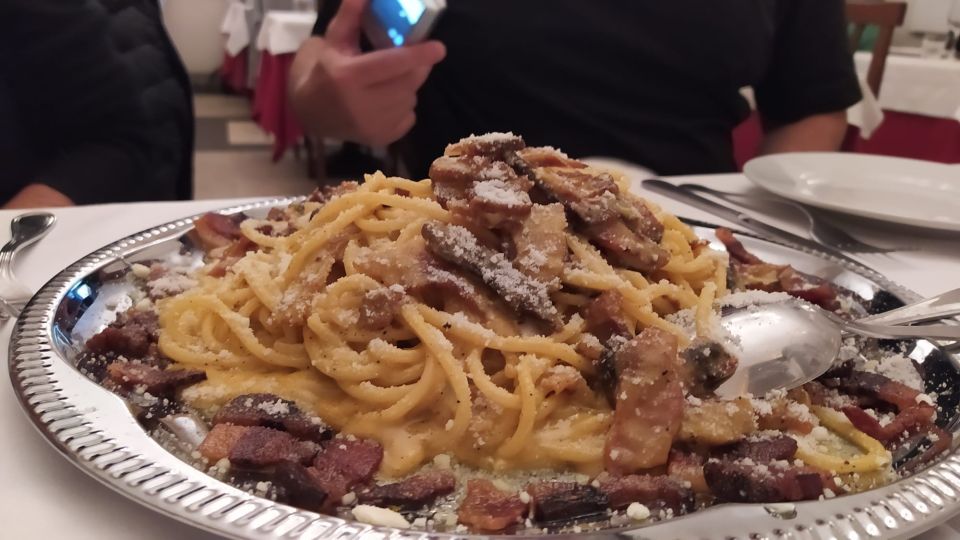
- Wine on arrival to set the mood right away
- 4-course seasonal menu built around Jewish-Roman flavors
- Ingredient-first stories that explain how and why dishes are made
- Jewish Ghetto setting in a 1400s building turned restaurant
- English-speaking host to guide the tasting and conversation
Dinner in Rome’s Jewish Ghetto: what makes it more than a meal
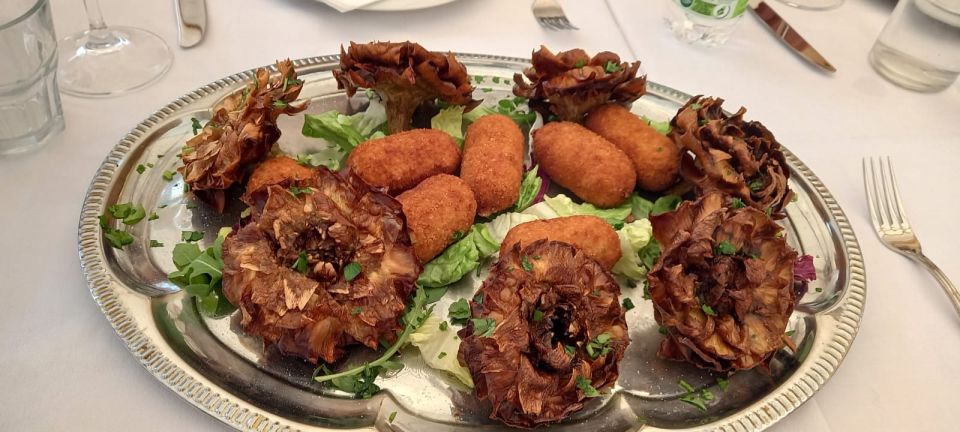
Rome is full of food experiences, but this one has a special angle. You’re eating in the Jewish Ghetto, in a part of the city where food history and everyday life overlap. The setting helps: the restaurant is inside a building dating back to the 1400s, originally a private home, later transformed for dining. That kind of space makes the evening feel personal instead of scripted.
What I like most is the focus on how the dishes work. This isn’t a show where you get a quick speech and then move on. The host talks through recipe choices, ingredient decisions, and the reasons these flavors fit the area and its food habits.
And yes, you’ll still eat well. You’re promised a 2.5-hour dinner with wine and a seasonal menu that hits the classics of Jewish-Roman cooking, with one foot in Roman tradition and another in Jewish-Roman practice.
You can also read our reviews of more tours and experiences in Jewish Ghetto Rome.

The 2.5-hour flow: wine first, then courses with conversation
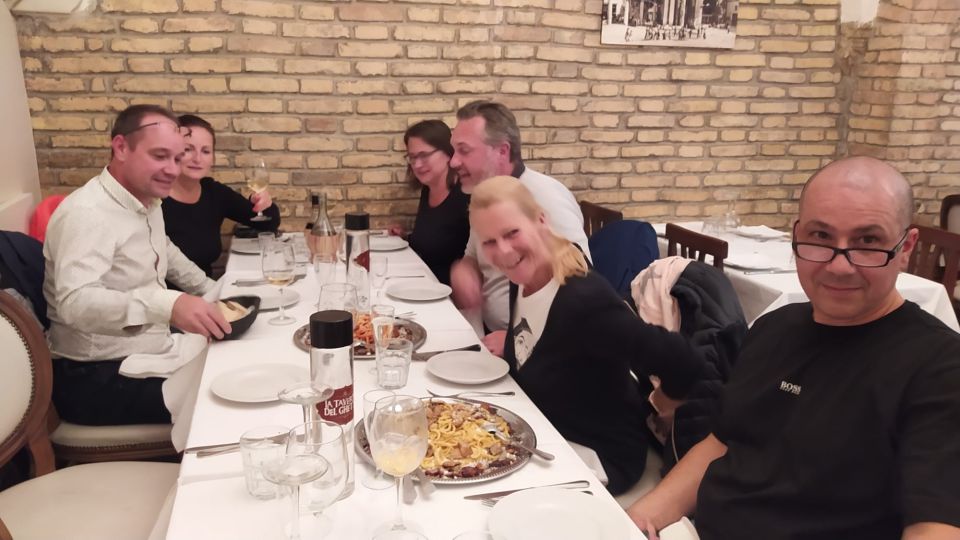
Plan on a gentle rhythm. You’ll start with a glass of wine when you arrive, which is a nice way to warm up before you sit down for the main meal. From there, the dinner runs about 2.5 hours, with a relaxed, cozy feel and room for conversation.
The structure matters because it changes how you experience the food. Instead of rushing through courses, you get time to listen and then taste. That’s especially helpful here, because the host is guiding you through the meaning behind each plate—how ingredients shape the final flavor, and how local traditions connect.
Most of the time, you’ll be seated inside in a relaxed dining setup. But keep in mind that seating can be outside depending on how the restaurant runs that night. If you’re sensitive to noise or crowding, it’s worth mentally budgeting for that possibility.
What you’ll taste: Roman classics plus Jewish-Roman specialties

You’ll be eating a four-course seasonal menu, and the dish list is the star of the show. Here are the foods you can expect to see during the evening, plus what each one usually brings to the table.
Pasta with guanciale and pecorino
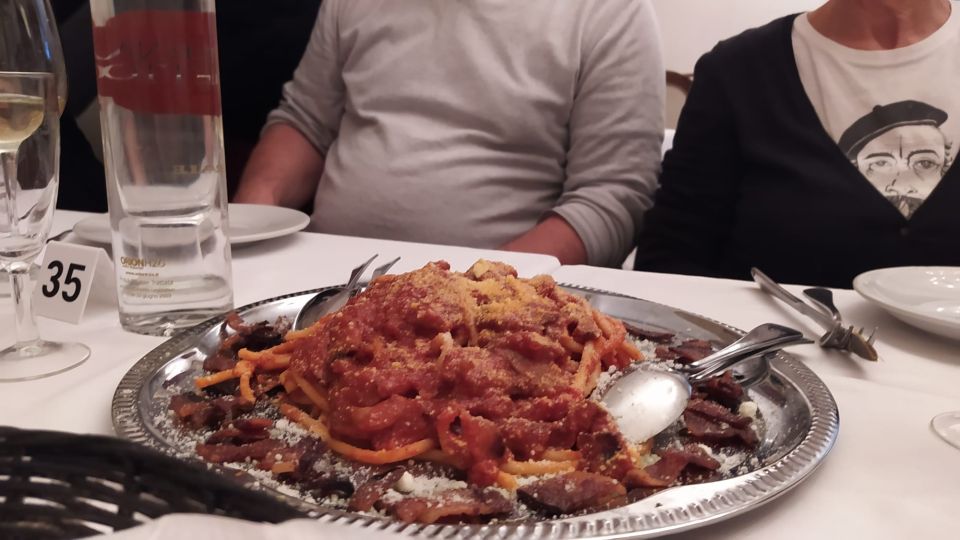
The menu includes pasta such as Pasta alla Gricia, Cacio e Pepe, and Amatriciana, which are linked by the same key ingredients: guanciale (cured pork cheek) and pecorino romano. If you come from outside Italy, this is one of the fastest ways to understand Roman pasta flavor: salty, rich, and sharply aromatic thanks to pecorino. If you already know Roman classics, you’ll appreciate seeing how they connect to Jewish-Roman cooking traditions through shared ingredients and local methods.
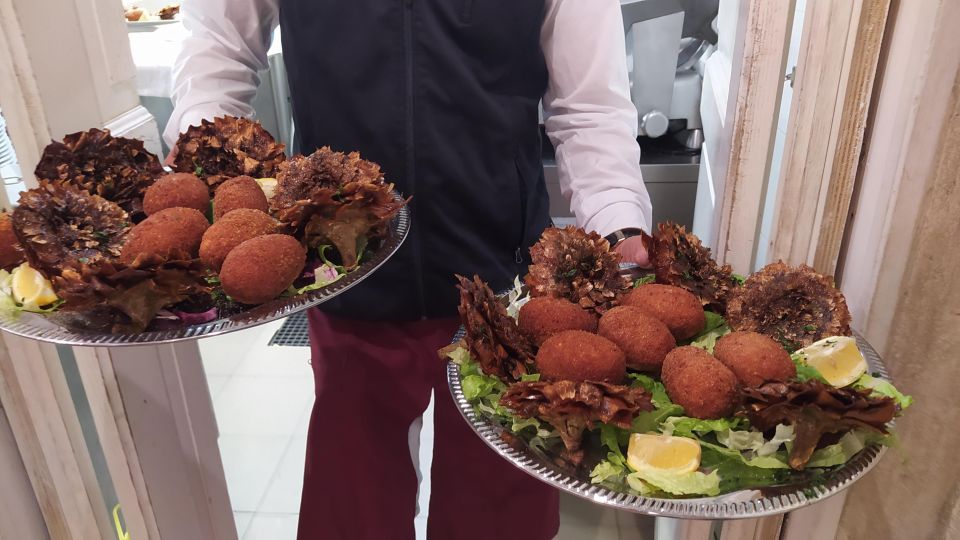
Fritto alla Romana (fried seasonal vegetables)
You’ll get fried seasonal vegetables, a very Roman move. Expect a crunch-first texture, with vegetables taking on new character once they’re fried. It’s also a nice contrast to heavier pasta, because it adds lightness and brightness to the middle of the meal.
Concia di zucchini (marinated zucchini)
This is where the menu gets more distinctly Jewish-Roman. Marinated zucchini tends to be flavorful and tangy, with time doing part of the work for you. You’ll taste a dish designed for harmony with other foods: not just a standalone snack, but a course that balances richness from earlier plates.
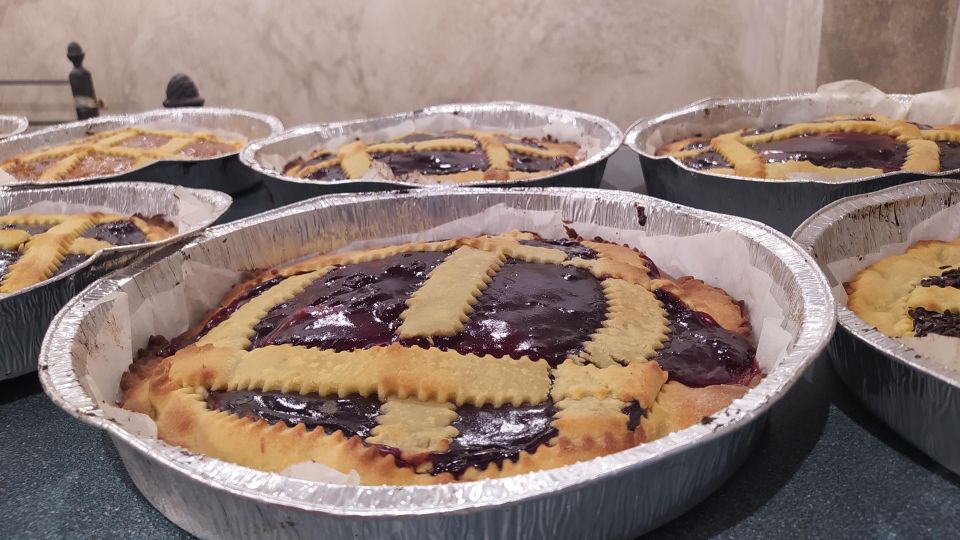
Torta ricotta e visciole (ricotta cheesecake with cherry jam)
Dessert is ricotta-based with cherry jam, so you get a creamy finish paired with a sweet-tart fruit note. It’s the kind of ending that feels traditional rather than overly modern. It also helps to anchor the meal in a Jewish-Roman dessert style that’s common in the area’s celebrations and everyday tradition.
Caffè
You’ll finish with coffee, keeping the evening in true Italian rhythm.
If you’re wondering about amounts: one person noted the food felt like a lot (they had to pass on the last plate). So come hungry, but don’t feel bad if you pace yourself. A dinner built around multiple courses can be filling fast.
The ingredient stories: Roman vs Jewish-Roman vs Kosher
Here’s the real value: you learn what’s behind the recipes, especially ingredient choices. You’ll hear about three styles present in the neighborhood—Roman, Jewish-Roman, and kosher—and how they relate to each other. The host explains differences, stories, and traditions through what you eat.
Why this matters for your trip: it changes how you read the menu later. After you hear the ingredient logic once, you’re more likely to order the right dishes outside the tour instead of defaulting to the obvious tourist picks. You’ll also understand why some flavor profiles show up repeatedly in the Ghetto—why certain ingredients feel “correct” in this cuisine, not just random.
It also helps you understand the neighborhood in a practical way. When you learn what makes Jewish-Roman cooking distinct, you start seeing the Ghetto as more than a historic stop. It becomes a living food culture.
The setting: a 1400 building and the cozy feel of a small-group dinner
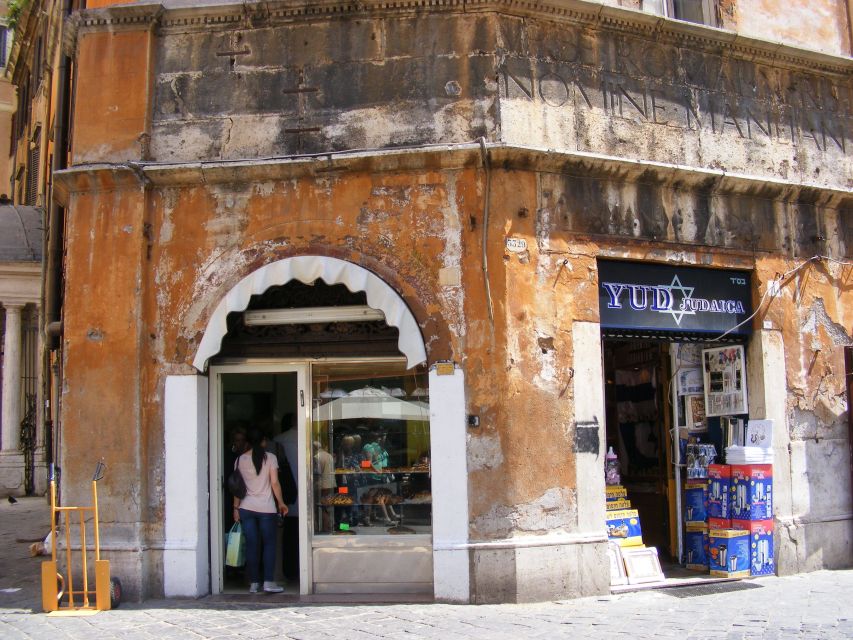
You’re dining in a space that used to be someone’s private home. That detail sounds simple, but it’s the reason these dinners tend to feel warmer than big restaurant meals. Narrower spaces, smaller rooms, and a more enclosed vibe help the conversation work.
The host’s role is important too. You’ll be guided in English, with time to ask questions and connect the dots between dishes and tradition. One review highlighted that the guide was strong on both history and food, and that the meal in the Jewish Ghetto felt relaxed and memorable. Another person praised the entertainment value and the way the guide made the tasting feel easy and natural.
Still, the drawback can show up in the practical side of dining: seating. One recent diner described outside seating as loud and crowded even though the inside area seemed available. If you want quiet, aim to arrive ready to adapt. And if your group runs at a peak time, the dining room can feel busier.
Meeting point near Piazza Mattei: how to time your evening
You’ll meet at Piazza Mattei, Fontana delle Tartarughe. This is a central, recognizable starting point, which makes it easier to combine your day with other sights.
A smart move: do this early in your trip. One person recommended booking for your first or second night because it helps you learn where to eat and how the local cuisine connects to the neighborhood. After a meal like this, you’ll likely find yourself ordering more intentionally for the rest of the week.
What about getting there and getting around?
The experience does not include hotel pick-up or drop-off. So you’ll want to plan your own transport and walking time. The good part: the meeting point is in a walkable area, so you can usually build it into a wider evening plan.
Value check: is $77 worth it?

At $77 per person, you’re paying for a lot of the things that are hardest to replicate on your own: guided explanations in English, a structured multi-course meal, and wine included with the meal.
What’s included: the complete dinner and wine of the house, selected to work with the recipes (red and white). That alone often moves the value needle, because wine in central Rome can add up quickly if you’re paying separately.
What’s not included: transport from your hotel. So your true cost depends on how you get there, whether you walk or use transit.
Here’s the balanced way to judge value:
- If you want the food and the story together, this is strong value.
- If you only care about eating and would rather wander on your own, you might find cheaper options.
But the ingredient-focused host guidance is the unique ingredient here—pun intended.
Vegetarian is available, but you need to request it at booking. So if plant-based is your goal, confirm early rather than assuming it’s automatic.
Who this is best for (and who might not love it)
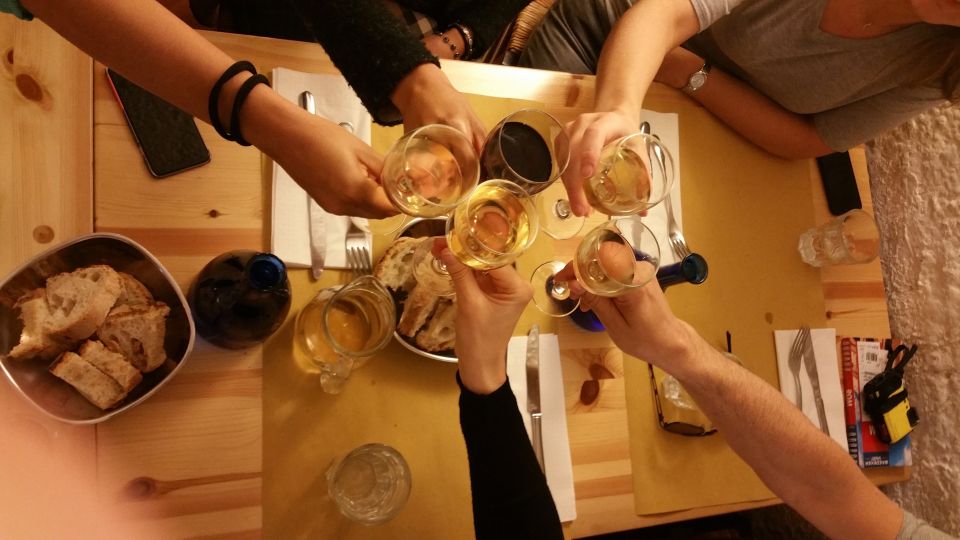
This dinner fits you if you want a calmer, narrative meal in a meaningful neighborhood. It’s also a good fit if you’re interested in Roman cuisine and Jewish-Roman food and want to understand the connections between them.
It’s not ideal if you use a wheelchair, since the experience is not wheelchair accessible. It also isn’t set up for unaccompanied minors, and children must be accompanied by an adult. The minimum drinking age is 18, so plan accordingly.
Allergens are a real factor here. The tastings can include milk, eggs, soya, mustard, nuts, and gluten. If you have serious allergies, treat this as a must-discuss before you go. Don’t guess.
Should you book the Jewish Ghetto dinner experience?
If you want an authentic-feeling Rome meal with context, I think you should. The best part isn’t just the pasta and dessert—it’s learning how the cuisine is built from specific ingredients and local tradition. The 2.5-hour pace also makes it feel like an evening, not a rushed stop.
Skip it if you’re very noise-sensitive and you know you’d hate the possibility of outside seating. Also skip if you have allergy concerns that require careful handling, since the experience notes several common allergens may be present.
If you’re flexible and curious, this is the kind of dinner that sticks with you long after the last sip.
FAQ
FAQ
How long is the dinner experience?
The dinner lasts about 2.5 hours.
Is wine included?
Yes. You get a glass of wine at the start and wine of the house is included with the meal (red and white).
Where do I meet the group?
The meeting point is Piazza Mattei, Fontana delle Tartarughe.
What food courses are included?
You’ll enjoy a seasonal menu with courses including pasta (such as gricia/cacio e pepe/amatriciana), fried seasonal vegetables, concia di zucchini, torta ricotta e visciole, and caffè.
Can I get a vegetarian option?
Yes, a vegetarian option is available. You need to advise at the time of booking.
Are there age or drinking restrictions?
The minimum drinking age is 18. Unaccompanied minors are not allowed, and children must be accompanied by an adult.
What allergens should I be aware of?
Milk, eggs, soya, mustard, nuts, and gluten can be present in the tastings.
Is it wheelchair accessible?
No. It is not wheelchair accessible.
What is the cancellation policy?
You can cancel up to 24 hours in advance for a full refund. The experience also offers reserve now & pay later.