REVIEW · BOLOGNA
Bologna: Small-Group Tour with the Historic Archiginnasio
Book on GetYourGuide →Operated by Ways Tours | B Corp certified · Bookable on GetYourGuide
Bologna can feel like a puzzle of streets and stories, but this 2-hour walk makes it make sense. I love the way the Teatro Anatomico turns medical training into something you can actually picture, and I also like the stop at Quadrilatero Market for an easy taste of local food. One thing to watch: if your hearing is picky, bring patience—English clarity and audio support can vary by guide and day.
You’ll start at Piazza Maggiore, where Bologna’s big landmarks set the tone fast: the Basilica di San Petronio and the Fountain of Neptune. From there, you move on foot through the city center under the famous porticos, so you’re not stuck fighting rain or sun.
The tour is licensed and includes your entrance ticket to the Archiginnasio’s anatomical theater, but it’s still a walking experience with a few spots that may be harder for reduced mobility. If you want the best shot at a smooth, easy-going time, arrive on time at the meeting point and keep your expectations aligned with a compact city-center route.
In This Review
- Key Tour Highlights to Know Before You Go
- Starting in Piazza Maggiore: the fast track to Bologna’s main stage
- The Archiginnasio and Teatro Anatomico: where learning used to look intense
- Quadrilatero Market time: shopping smart in the cheese-and-ham zone
- Due Torri: the medieval skyline moment that anchors your photos
- Santo Stefano and the seven churches: a calmer Bologna pocket
- Porticos all the way: why this route feels easier than it looks
- Price and value: what $45 buys in real terms
- Guide quality can make or break the experience
- Who should book this Bologna Archiginnasio tour?
- Should you book the Historic Archiginnasio tour?
- FAQ
- How long is the Bologna Historic Archiginnasio tour?
- Where do I meet the guide?
- What is included in the ticket price?
- Is there hotel pickup or drop-off?
- What language is the tour offered in?
- Is the tour wheelchair accessible?
- Does the tour run in bad weather?
- Is it really a small-group tour?
- What’s the cancellation policy?
Key Tour Highlights to Know Before You Go
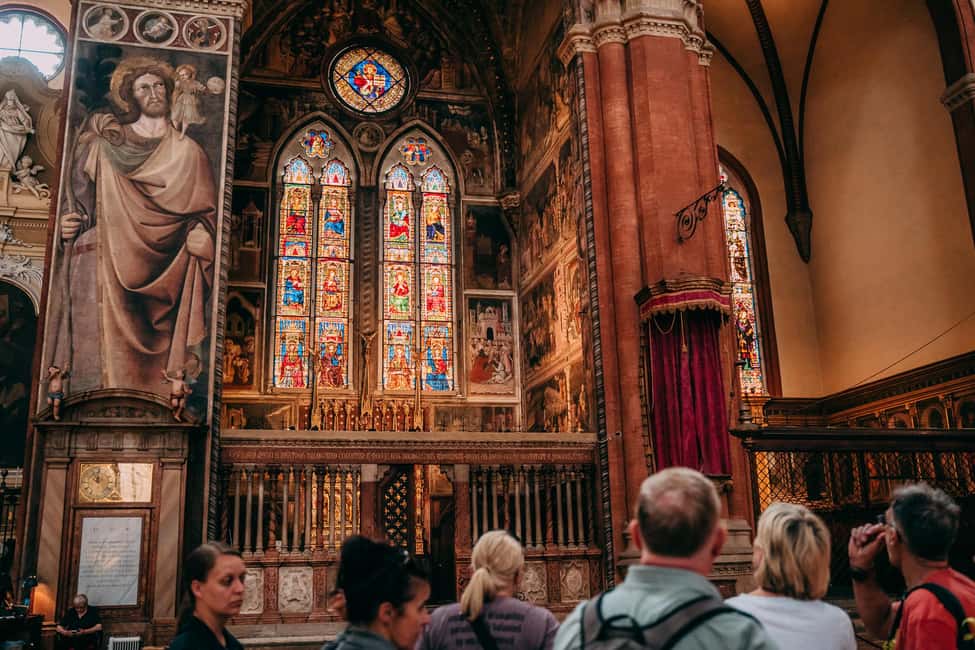
- Teatro Anatomico inside the Archiginnasio: the setting helps you understand how anatomy was taught centuries ago
- Quadrilatero Market with free time: a practical way to snack and buy local specialties without overplanning
- Piazza Maggiore landmarks: Basilica di San Petronio and the Fountain of Neptune anchor the whole morning route
- Due Torri skyline moment: get the famous photo view with just enough context to make it meaningful
- Santo Stefano and its seven churches: one stop, multiple visual surprises, plus a calmer pace than the main square
Starting in Piazza Maggiore: the fast track to Bologna’s main stage
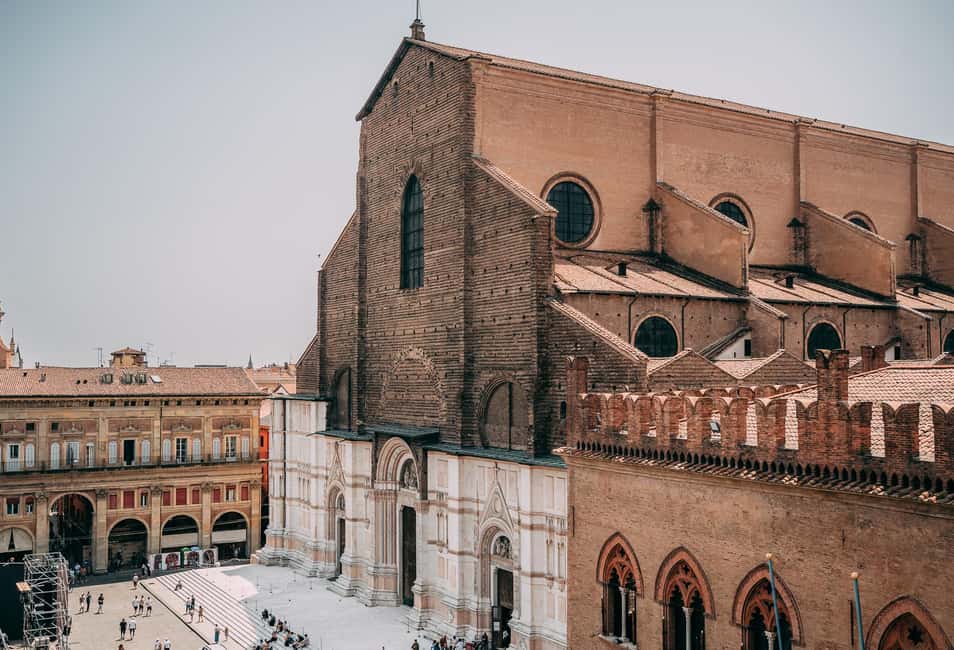
This tour begins where most first-timers start: Piazza Maggiore. Look up and you’ll immediately see the scale of the Basilica di San Petronio, a church that feels less like a backdrop and more like Bologna’s official headquarters.
Right here, you’ll also spot the Fountain of Neptune. Even if you’re not a mythology person, the fountain is a perfect example of how Bologna mixes civic pride with storytelling. The guide’s job is to connect those symbols to the city’s identity so you’re not just standing there taking photos.
Then you move on, and that’s the point of this tour. You’re not trying to see everything in one go. You’re getting a guided backbone for the city center so later, when you walk on your own, you’ll recognize what you’re looking at and why it matters.
The Archiginnasio and Teatro Anatomico: where learning used to look intense
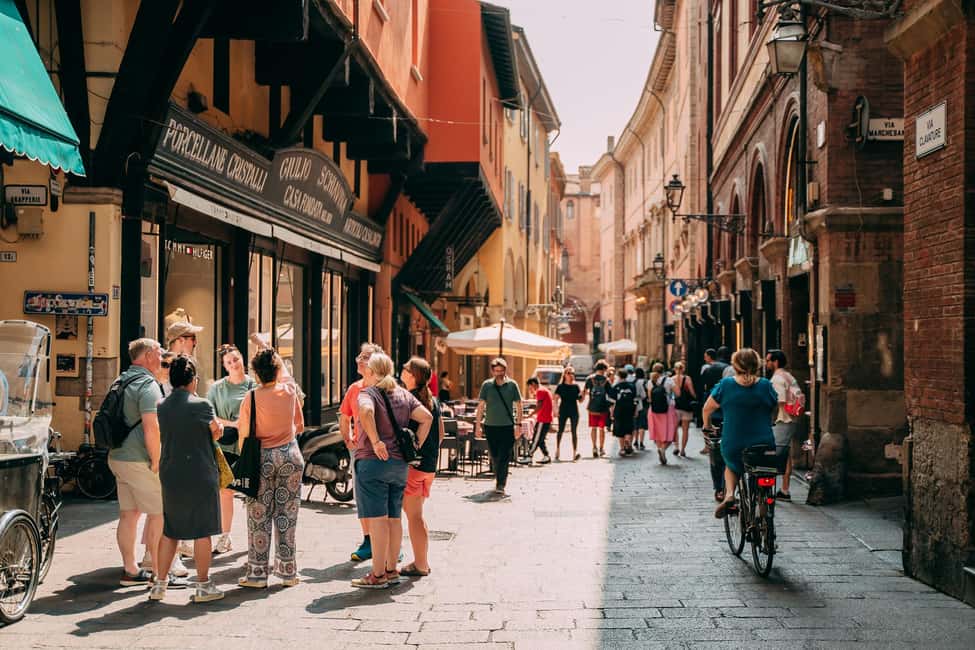
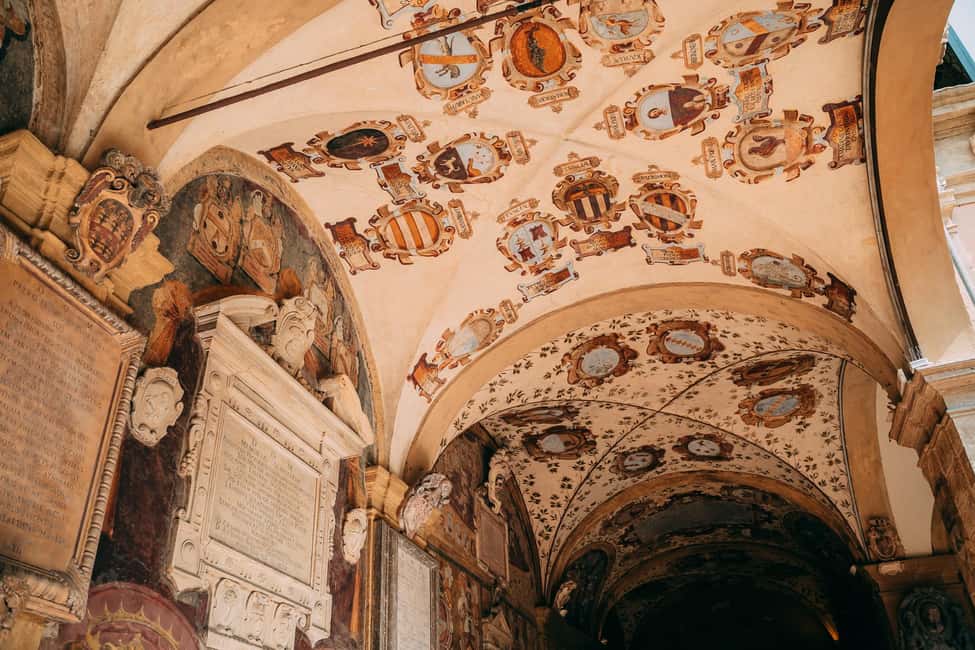
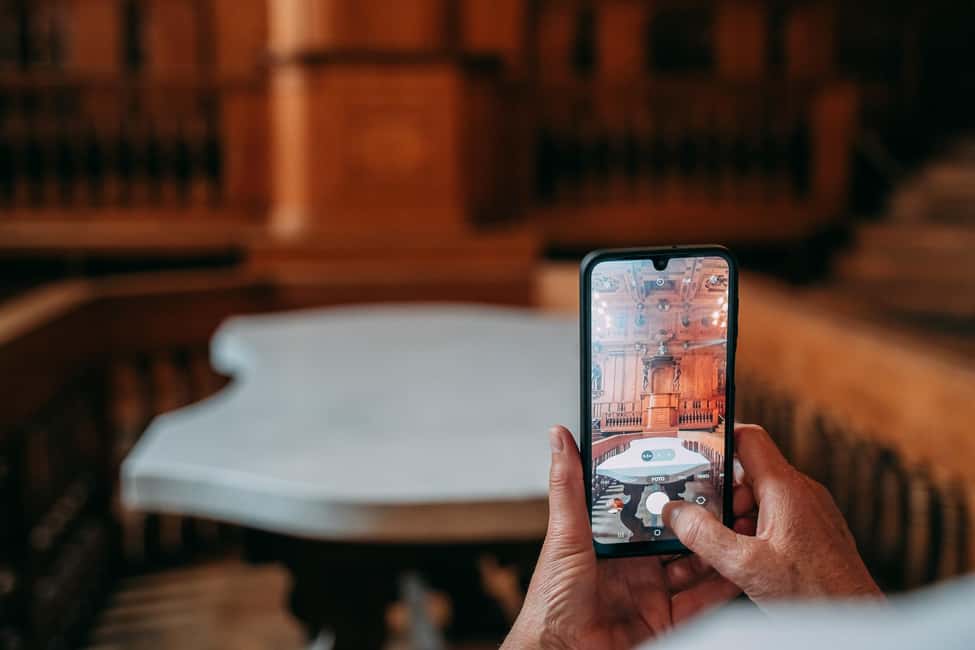
The star stop is the Archiginnasio, a university building that feels like it’s built for serious study. Inside, you enter the Teatro Anatomico, the anatomical theater where medical students once gathered to learn about the human body.
Even today, the space can hit you in a simple way: you can see how education was staged. The design makes the learning communal, almost theatrical—tables, tiers, and a sense that knowledge was meant to be shared in a room built for observation.
This is also where a guide’s explanation really matters. When it’s done well, the theater isn’t just a pretty interior; it becomes a time machine for how students studied. One guide named Sofia has been praised for clear English and storytelling that sticks, and that’s exactly what you want here.
Possible drawback: because the theater experience depends on your ability to hear and focus, people with hearing challenges may have a harder time. The tour includes your entrance ticket, but audio headsets aren’t listed as part of what’s provided—so if you know you’ll struggle in echo-y spaces, it’s smart to plan accordingly.
Quadrilatero Market time: shopping smart in the cheese-and-ham zone
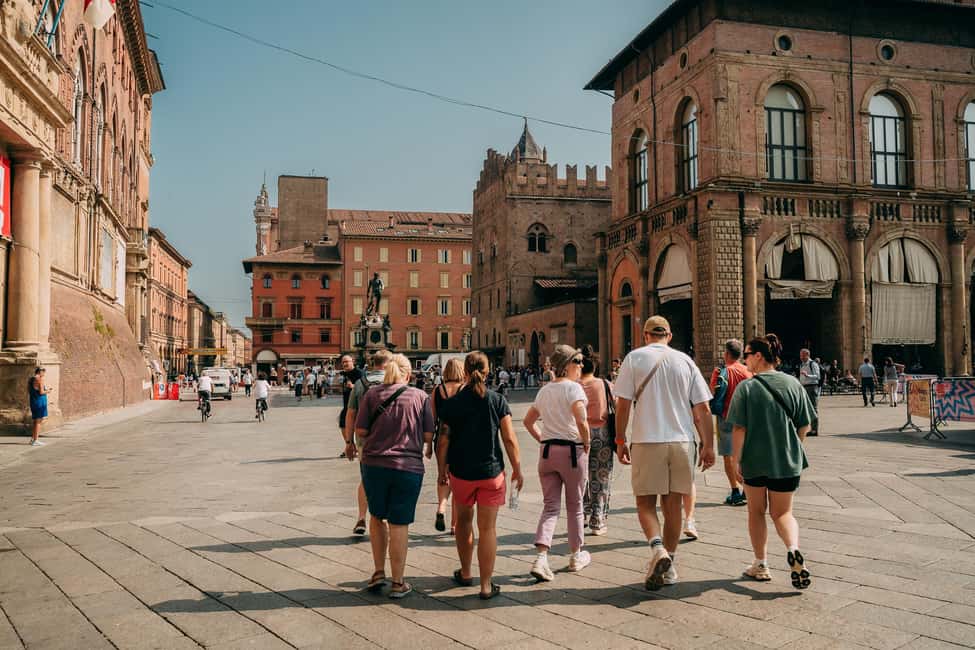
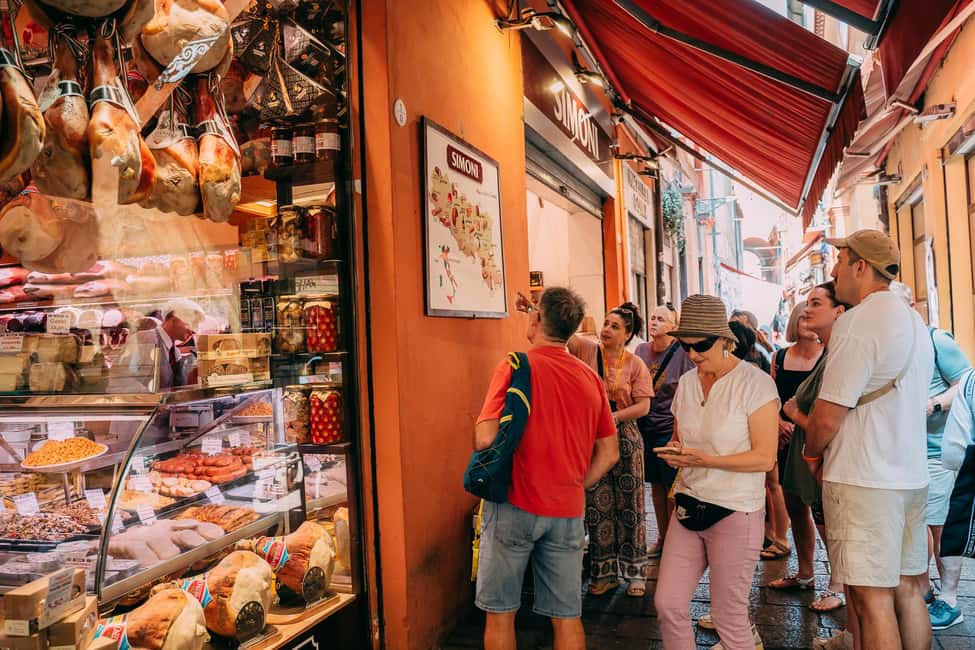
After the formal learning stop, you shift gears to the Quadrilatero Market area. This neighborhood is famous for food shops tucked into narrow lanes, so the visual change is immediate: you go from indoor history to busy commerce and smells.
The guide doesn’t just point. They help you understand what you’re looking at, which makes your free time more useful. You’ll see places selling cheeses, meats, and other regional favorites, and you’ll have time to buy local delicacies if you want.
My practical advice: treat this as a snack-and-walk stop, not a full grocery run. Bologna is great for small purchases—something you can eat while strolling, or items you can pack if your schedule allows. If you’re short on time later, this is the easiest place to pick up edible souvenirs without planning a separate detour.
Also, keep your expectations realistic. You’re walking through a market area, not sitting down for a long meal. If you arrive hungry, you’ll do better. If you arrive with a full lunch already planned, focus on tasting one or two items and save the bigger meal for later.
Due Torri: the medieval skyline moment that anchors your photos
No Bologna walk feels complete without seeing the Due Torri—the twin towers that lean slightly yet still look confident. The guide’s commentary helps you connect the towers to the city’s medieval rivalry and civic identity, not just their Instagram angle.
This stop is important because it changes your mental map. After the market and the anatomy theater, the towers snap everything back to the medieval city structure—height, power, and neighborhood geography. Even if you only get a short look, you’ll understand what you’re seeing once you know how the city grew around those strongholds.
Practical note: tower-area views can involve extra walking depending on how the group moves through the surrounding lanes. If you’re trying to minimize steps, watch your pace and stay close to the guide so you don’t get swept into a longer loop.
Santo Stefano and the seven churches: a calmer Bologna pocket
From the skyline viewpoint, the route continues toward Santo Stefano, known for its seven churches. This area has a different mood than the main square and the market lanes—more “wander with purpose,” less “rush to the next landmark.”
The tour passes through famous galleries along the way, including Galleria del Leone and Galleria Cavour. These covered walkways add shelter and charm, and they’re also useful for keeping your legs from getting soaked or sunburned when the weather changes.
Once you’re at Santo Stefano, the payoff is seeing how Bologna layers religious architecture in one concentrated zone. The point isn’t that you’re reading a textbook; it’s that you’re experiencing how multiple spaces can feel connected without being identical. A good guide keeps the pace light so you can look, not just hear.
If you’re limited on mobility, pay attention here. The tour is described as wheelchair accessible, but it also notes that some parts may not be accessible. That matters most on uneven surfaces and in tight interior sections around older buildings, where “accessible in theory” can become “not easy in practice.”
Porticos all the way: why this route feels easier than it looks
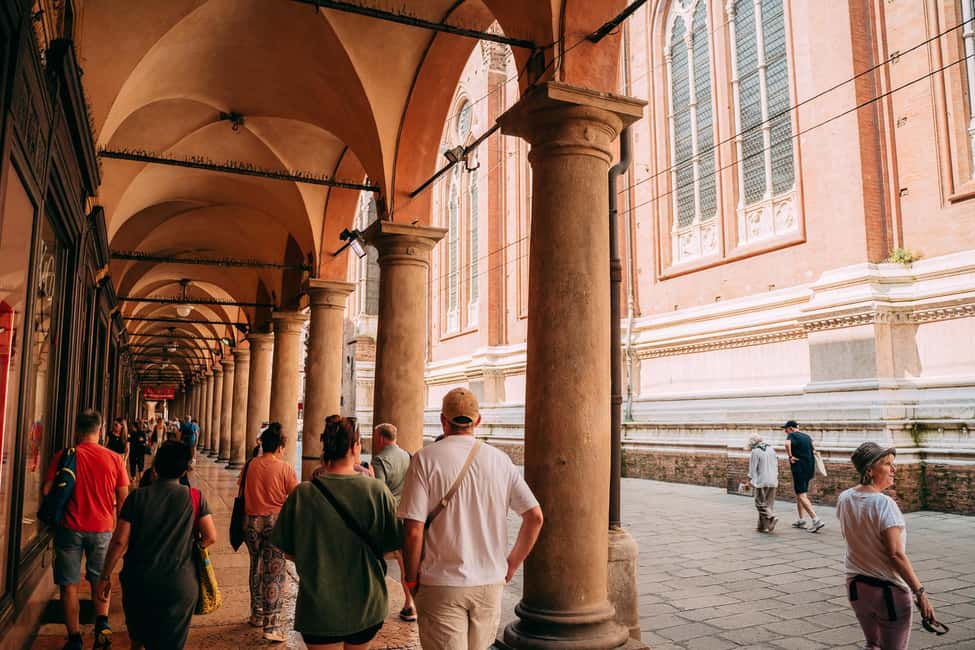
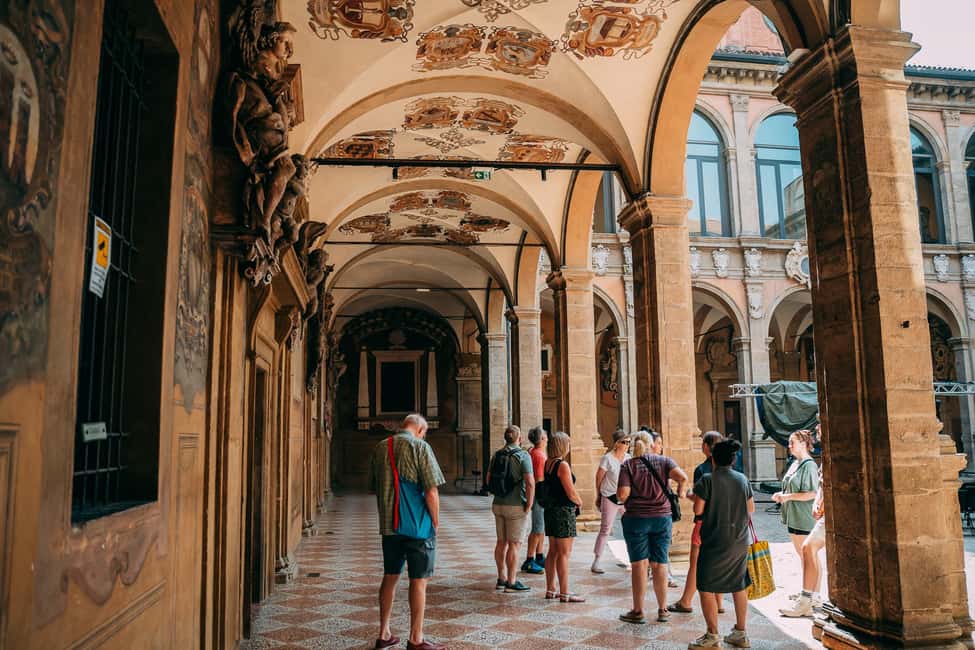
One of Bologna’s best tricks is its portico system, and this tour uses it well. You’ll walk under the arcades a lot, which means less exposure when the weather turns.
This is more than comfort. It’s also a navigation benefit. Porticos give you a consistent visual cue while you move through the maze-like streets, so you’re less likely to feel lost even when you’re changing neighborhoods quickly.
In a 2-hour tour, those little logistics matter. They reduce friction, keep your attention on the guide’s stories, and make it easier to keep pace without feeling like you’re sprinting.
Price and value: what $45 buys in real terms
At $45 per person for a 2-hour tour, you’re paying for two things: a licensed guide and your Archiginnasio + Anatomical Theatre entrance ticket. Entrance fees can be the difference between a “quick look” and a guided visit where you actually go inside the important place.
This isn’t a long, multi-day deep dive. It’s a compact introduction that stitches together the city’s key themes: education (Archiginnasio), food culture (Quadrilatero), and medieval identity (Due Torri and the church cluster). If you only have a short window in Bologna, this kind of structure can save you time later.
But balance it with your priorities. If you want a slow, in-depth museum-style visit with lots of free time to wander, this won’t be the format you’re craving. If you want a guided primer that helps you explore independently afterward, it fits the bill.
Guide quality can make or break the experience
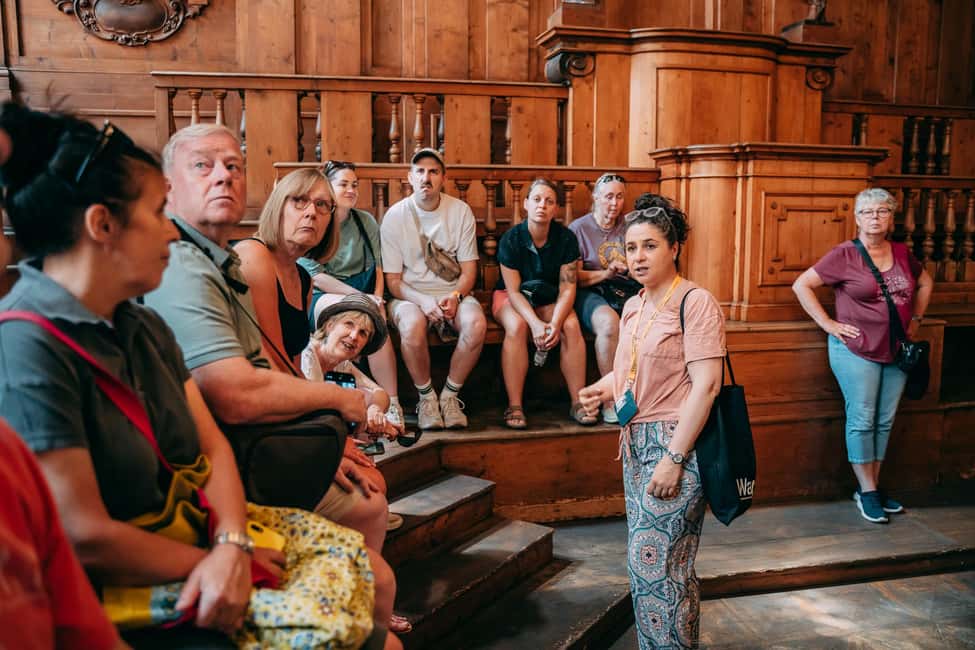
The tour runs in English with a live guide, and the difference shows. When the guide speaks clearly and gives the right amount of context, you’ll understand why each stop exists and how it connects to Bologna as a whole.
On the other hand, there’s a practical risk: hearing conditions. Some groups have reported issues like hard-to-hear commentary and limited or missing audio support. The Fountain of Neptune area can also turn into a long wait if the timing doesn’t work smoothly for your group’s position.
Here’s how to protect yourself:
- Choose a spot near the front when the group gathers.
- If you’re struggling to hear, switch sides quietly when the guide moves.
- Don’t assume every departure will run identically—small timing changes can happen when you’re working around crowd flow.
And if you meet someone like Sofia, take it as a sign you got a strong match: clear explanations plus good storytelling turns this itinerary from sightseeing into understanding.
Who should book this Bologna Archiginnasio tour?
This tour is ideal if you’re:
- In Bologna for a short time and want a high-ROI orientation fast
- Interested in anatomy history and education as a window into the city
- Excited to pair culture with practical food browsing at Quadrilatero Market
- Comfortable with a walking route that moves through multiple areas in 2 hours
It might not be ideal if you need:
- Guaranteed quiet, long museum-style pacing
- Easy, step-free access everywhere (the tour notes not all parts may be accessible)
- Perfect audio clarity regardless of space and group setup
Should you book the Historic Archiginnasio tour?
If your goal is to get your bearings fast and still step inside the Archiginnasio’s Teatro Anatomico, I think this tour is a good deal. The entrance ticket inclusion saves you time and makes the stop more than an exterior photo moment.
Just go in with two smart expectations: it’s a compact 2-hour route, and your comfort will depend on how well you can hear the guide in each setting. If those two things work for you, you’ll leave Bologna with a clearer map, a few standout memories, and a food stop that’s actually useful—not just window shopping.
FAQ
How long is the Bologna Historic Archiginnasio tour?
It lasts 2 hours.
Where do I meet the guide?
Meet in front of the red kiosk holding a yellow sign with TOUR written on it.
What is included in the ticket price?
You get a local licensed tour guide and the entrance ticket for the Archiginnasio and the Anatomical Theatre.
Is there hotel pickup or drop-off?
No. Hotel pickup and drop-off are not included.
What language is the tour offered in?
The tour is English.
Is the tour wheelchair accessible?
It is described as wheelchair accessible, but some parts may not be accessible for reduced mobility. If you’re unsure, contact the operator for details.
Does the tour run in bad weather?
Yes. It runs rain or shine.
Is it really a small-group tour?
It’s guaranteed with a minimum of 2 people, but group size can vary depending on availability.
What’s the cancellation policy?
It offers free cancellation up to 24 hours in advance for a full refund.