REVIEW · CATACOMBS OF ROME
Rome: Catacomb of St. Callixtus and Appian Way Guided Tour
Book on GetYourGuide →Operated by Enjoy Rome · Bookable on GetYourGuide
Few cities feel this quiet underground. This guided outing takes you beyond Rome’s walls into St. Callixtus catacombs, then back into open air on the Appian Way with ancient aqueducts overhead. You get a small-slice tour of early Christian burial life, including some of the earliest Christian art.
I especially like how the day mixes dark, intimate history with bright countryside walking. I also love the practical setup: bus transport from the Via Cavour meeting point, and headsets so the guide stays clear even outside. One consideration: the catacombs are tight and dim, so if you have severe claustrophobia, this is not the right choice.
In This Review
- Key highlights worth your attention
- Why This Tour Feels Different From Rome City-Sightseeing
- Getting Ready: Meeting Point, Dress Rules, and Simple Logistics
- Catacombs of St. Callixtus: Where Early Christian Life Meets Burial Reality
- The Crypt of the Popes at San Callisto: A Quiet Stop That Changes the Story
- Cecilia Metella’s Mausoleum Exterior: Roman Power on a Single Glance
- Walking the Appian Way: Old Stones, Roman Rhythm, and Real Breathing Space
- Parco degli Acquedotti Views: Aqueduct Architecture You’ll Remember
- Transport and Timing: Why the 3 Hours Don’t Feel Rushed
- Price and Value: Is About $80 Worth It?
- Who Should Book This Tour (and Who Should Skip)
- Quick Tips to Get More Out of the Catacombs and Appian Way
- Should You Book This Catacombs and Appian Way Tour?
Key highlights worth your attention
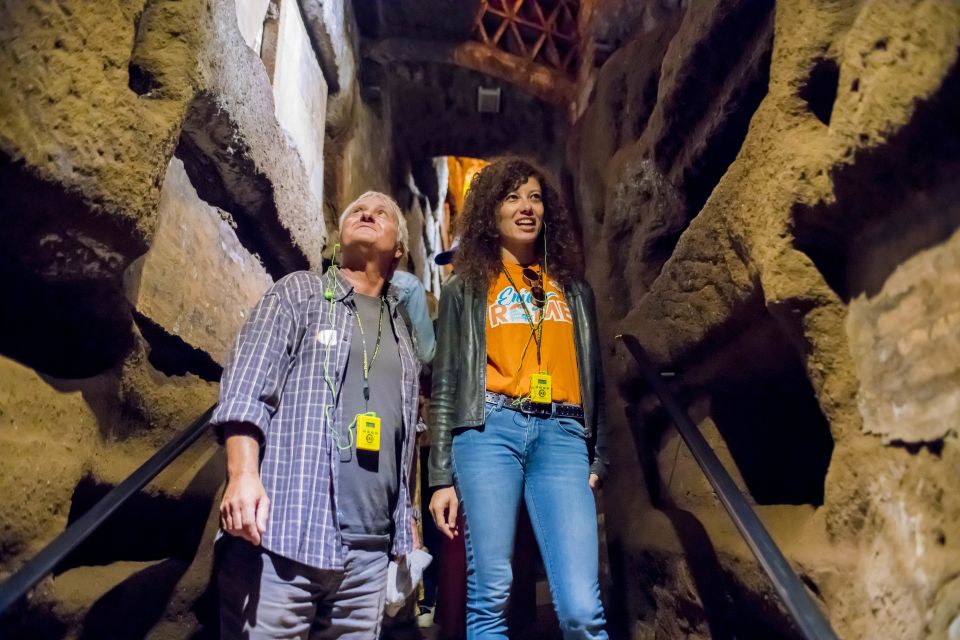
- Catacombs of St. Callixtus with burial niches, mosaics, sarcophagi, and early Christian drawings
- Crypt of the Popes at San Callisto, where the early church burial system comes into focus
- Mausoleum of Cecilia Metella sighting from the outside, a classic Roman landmark tied to this landscape
- A walk on the ancient Appian Way plus aqueduct arches you usually only see from a distance
- Aqueduct park viewpoints along paths built for people, not just emperors
- Earliest Christian art in a setting that makes the era feel real, not museum-flat
Why This Tour Feels Different From Rome City-Sightseeing
Rome is loud in the best way, but it can also blur together. This tour gives you a contrast you can feel right away: you leave the traffic and tourist crowds and step into a rock-cut world built for burial, not sightseeing.
The big win here is that you’re not just seeing objects. You’re seeing the system early Christians used when death outpaced fancy tomb-making. The catacombs were dug into friable tufa rock outside the city, and over the centuries they grew into layered, complex burial spaces. That scale is hard to grasp in a few photos—down there, it clicks.
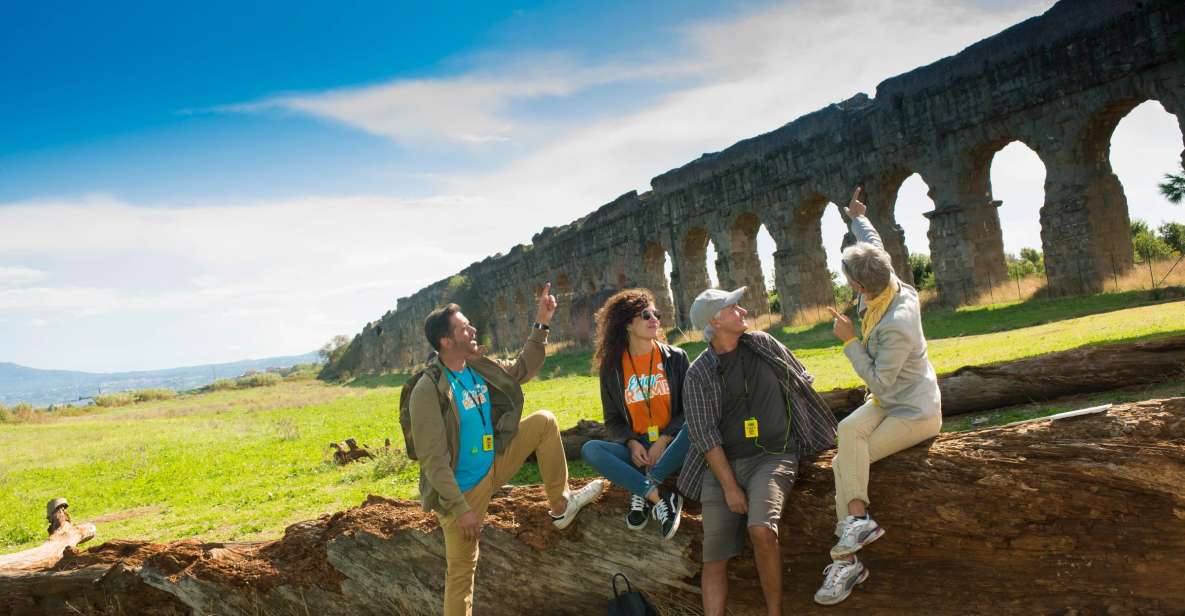
You’ll also get a clear sense of why the Appian Way matters. It’s not just a scenic walk; it’s one of the routes that shaped how Romans moved people and supplies. On this tour, you walk a portion of the old stones while aqueducts stride above, so you’re watching engineering do its job—long before it became an Instagram backdrop.
Getting Ready: Meeting Point, Dress Rules, and Simple Logistics
This tour leaves from the bus stop at Via Cavour 224, near the Cavour (Line B) metro station. Plan to arrive 25 minutes early—it’s a small thing, but it keeps your start stress-free.
Dress code is real here, not optional. For places of worship, you can’t wear shorts, short skirts, or sleeveless tops. Shoulders must be covered, and for women, skirts or trousers need to be below knee level. In a warm Roman summer, this matters. Bring a light layer that still keeps you compliant.
Also note two practical constraints:
- This tour is not wheelchair accessible.
- The catacombs aren’t recommended for severe claustrophobia.
One more comfort detail that can save your trip: you’ll be using headsets, so you can hear the guide clearly without craning your neck or drifting away. It’s one of the reasons the tour works as a clean 3-hour package instead of turning into a race between sites.
Catacombs of St. Callixtus: Where Early Christian Life Meets Burial Reality
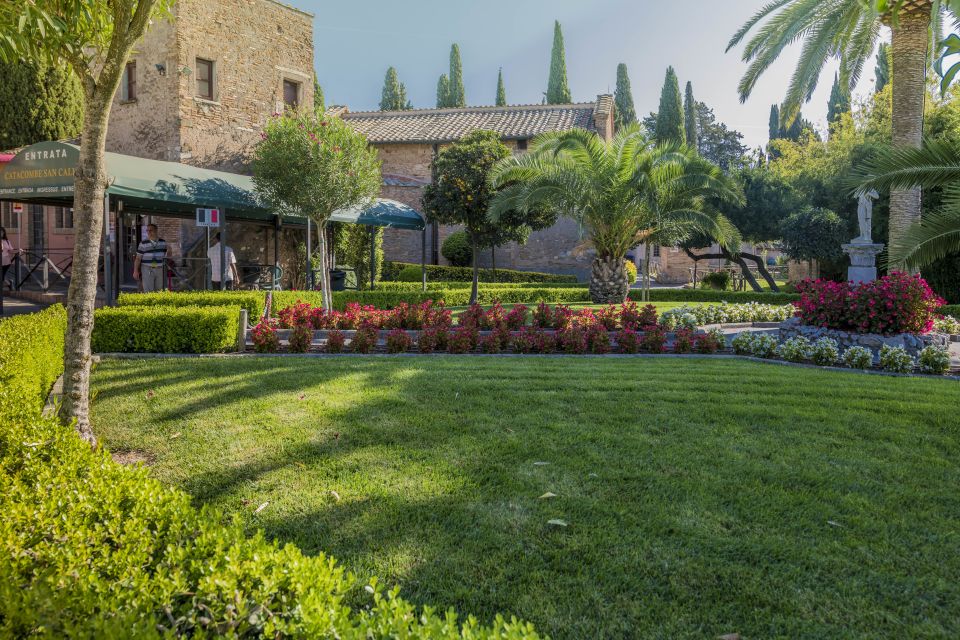
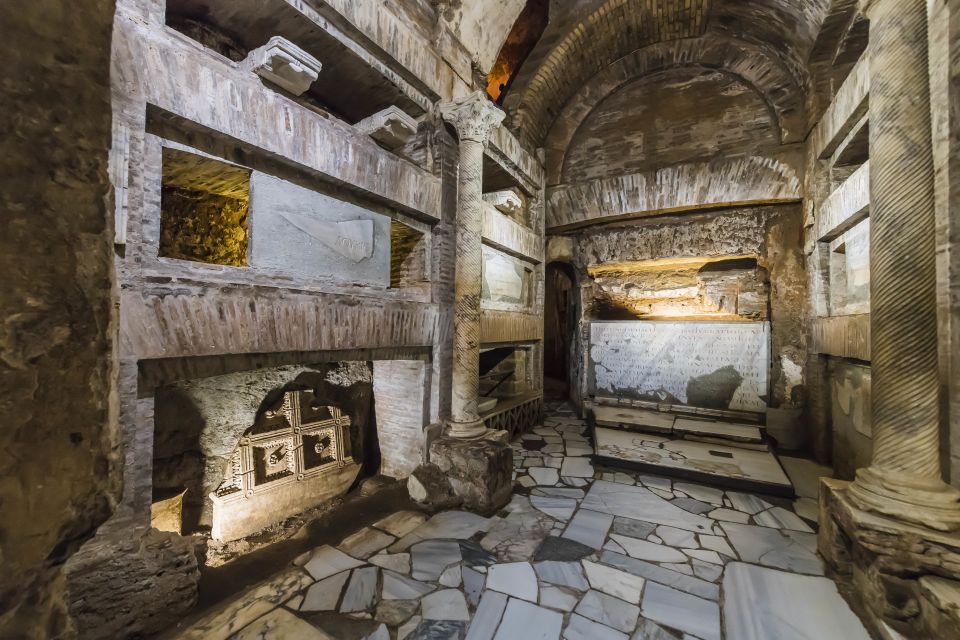
The star of the day is the Catacombs of St. Callixtus. You’ll explore underground burial spaces that formed as Christianity spread in Rome. The setting is cool and enclosed, built with a practical logic: when lots of people need burial and most can’t afford marble mausoleums, you build into the rock.
In the catacombs, pay attention to what the guide points out:
- Burial niches cut into the walls
- Sarcophagi used for the dead
- Mosaics and ancient religious drawings that show belief wasn’t only practiced in public spaces
- The quiet clues of a community using art and symbols to make sense of death
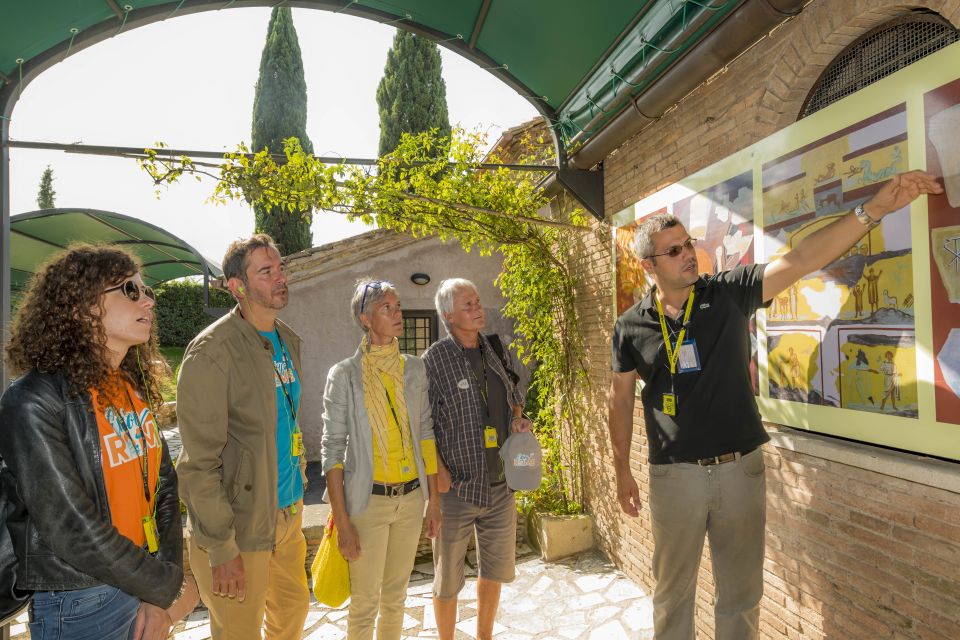
This is also where you’ll get a glimpse of the earliest Christian art style—simple enough to be moving, but specific enough that it feels intentional. It’s the kind of art you can’t replicate with a quick glance in a big gallery.
Photography is not permitted in the catacombs, so don’t count on taking pictures to remember everything. Instead, listen closely and let the guide’s timing do the heavy lifting. Down there, you’ll feel how the guide turns history into a story.
If you’re worried about discomfort: the tour is designed to be manageable, but there are tight corridors and steps. If you’re fine with normal sightseeing walking but dislike enclosed spaces, be honest with yourself. This site doesn’t soften its atmosphere for anyone.
The Crypt of the Popes at San Callisto: A Quiet Stop That Changes the Story
After you’re in the catacomb network, the itinerary includes exploration at San Callisto, including the Crypt of the Popes. This stop adds emotional weight without turning the tour into a dramatic performance.
Why it matters: it helps connect the bigger explanation of early Christian burial with names and a sense of continuity. You’re not just looking at random rooms. You’re walking through a system that grew over time as Christianity became more established and the demand for burial expanded.
In a practical sense, this also helps structure your understanding. The catacombs can feel like a maze if you only follow your eyes. A focused stop like the Crypt gives you a mental anchor.
Cecilia Metella’s Mausoleum Exterior: Roman Power on a Single Glance
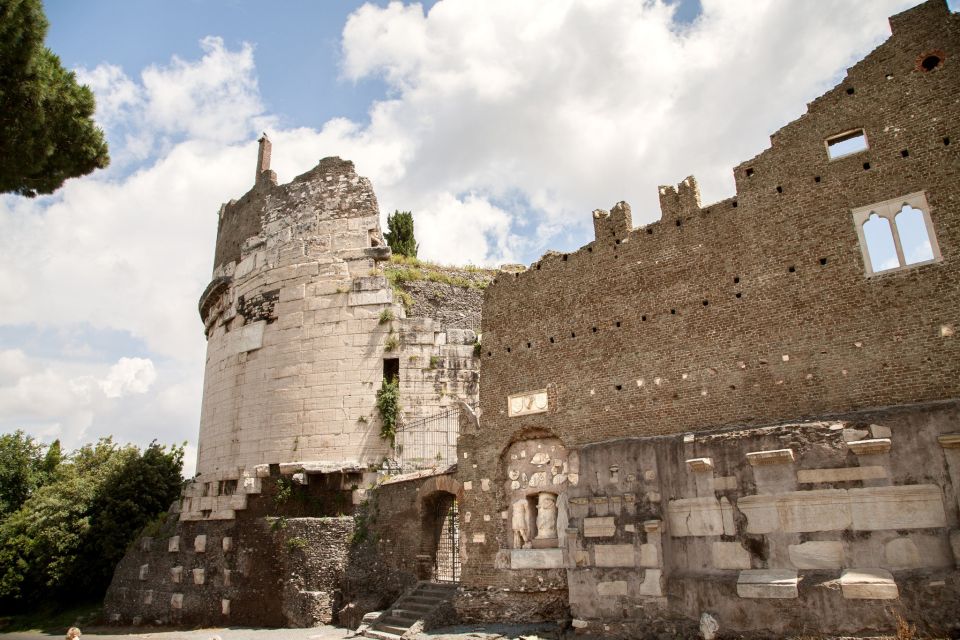
You’ll also view the Mausoleum of Cecilia Metella from the outside. Even though you’re not going inside as part of this experience, the exterior works well in the overall story.
Here’s the contrast it creates: Roman funerary culture was never one single style. You have grand, prominent structures connected to wealthy power—and then you have the more modest, many-layered burial approach that grew in the surrounding landscape as Christian communities expanded.
This outside sight is short, but it gives you a “before and after” feeling as your day shifts from the catacombs to the open countryside.
Walking the Appian Way: Old Stones, Roman Rhythm, and Real Breathing Space
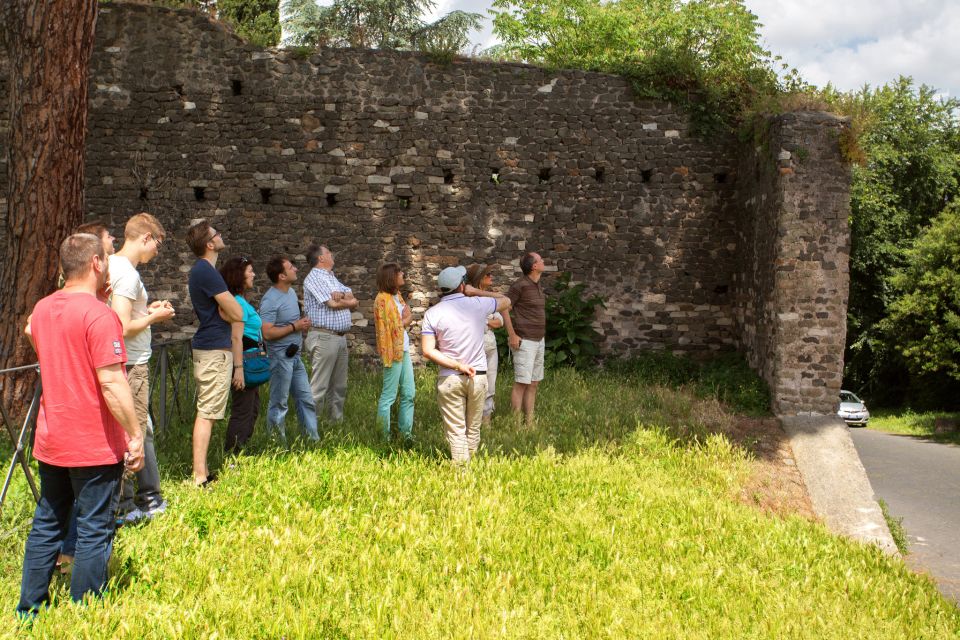
Then comes the shift you’ll want after the underground quiet: the tour includes a walk on the Appian Way, the ancient road that helped Rome stretch its reach. You’ll walk only a portion, but that portion is the point. The stones and the road’s alignment make it feel less like a flat “photo stop” and more like moving through time.
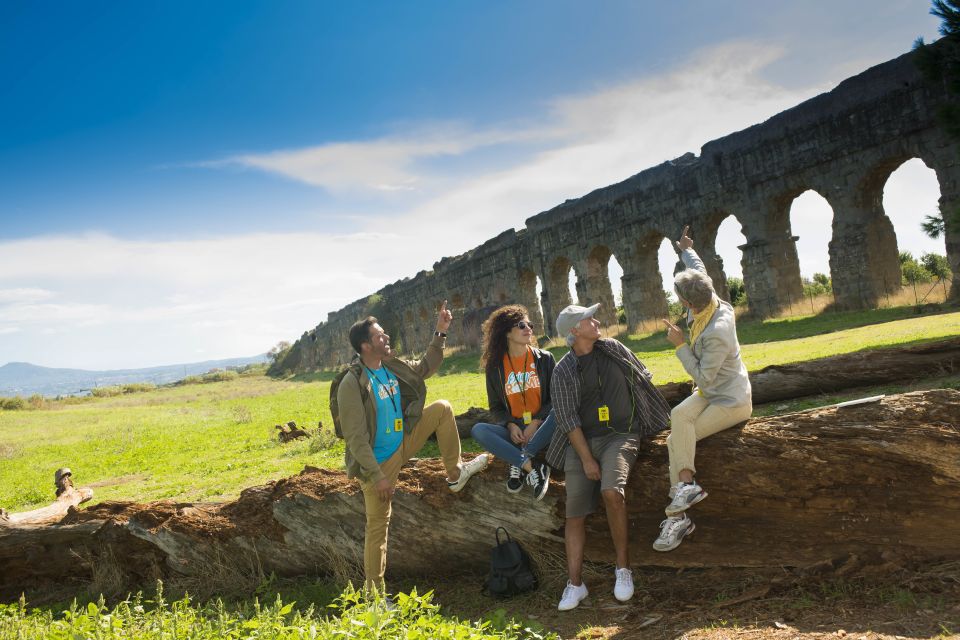
You’ll also be walking with the aqueducts in view—arches of water infrastructure that show just how practical Roman life could be. The route feels calmer than central Rome, and that matters. After museums and crowds, the Appian Way segment gives you perspective.
A fun detail you should keep in mind while walking: guides sometimes talk through how Roman soldiers and everyday life moved along major roads. Even if the day doesn’t turn into a full reenactment, you’ll likely get a clearer mental map of why this road is famous.
Parco degli Acquedotti Views: Aqueduct Architecture You’ll Remember
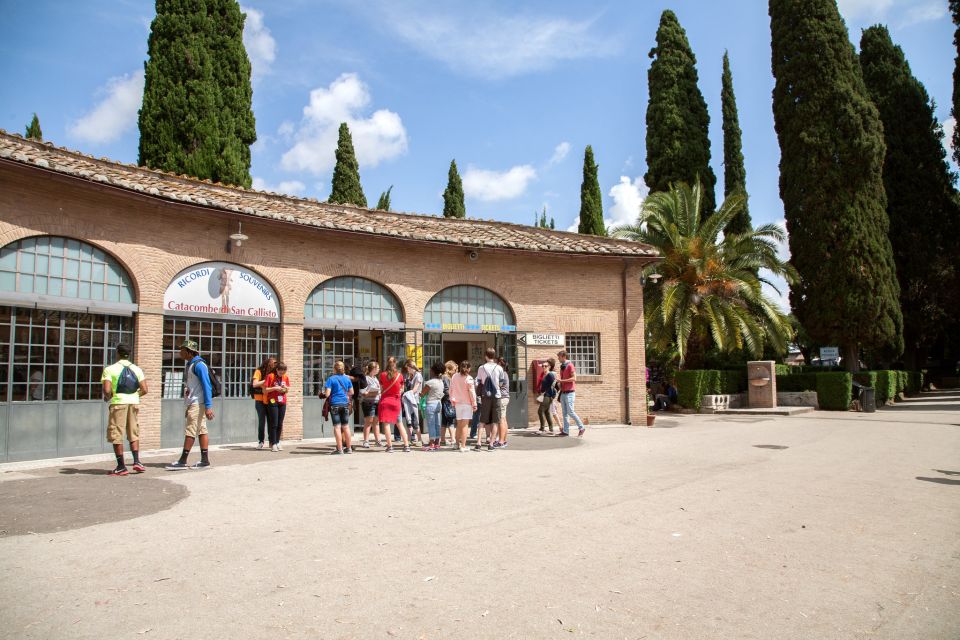
The final outdoor segment focuses on aqueduct views, often around Parco degli Acquedotti. This part is built for appreciating the architecture and scale—especially because you can pause, look up, and understand what you’re seeing.
When you’re near aqueducts, here’s what to watch for:
- The repeated arches and how they carry water across uneven ground
- The way the channels and structure align with the landscape
- The technical confidence: Romans didn’t just build for the present; they built for longevity
In at least one version of this experience, the transport even involves getting close to the aqueduct structures in a way that highlights how the roads and bridges interact. That kind of behind-the-scenes moment makes the aqueduct stop feel more like an adventure and less like a bus-and-boards routine.
Transport and Timing: Why the 3 Hours Don’t Feel Rushed
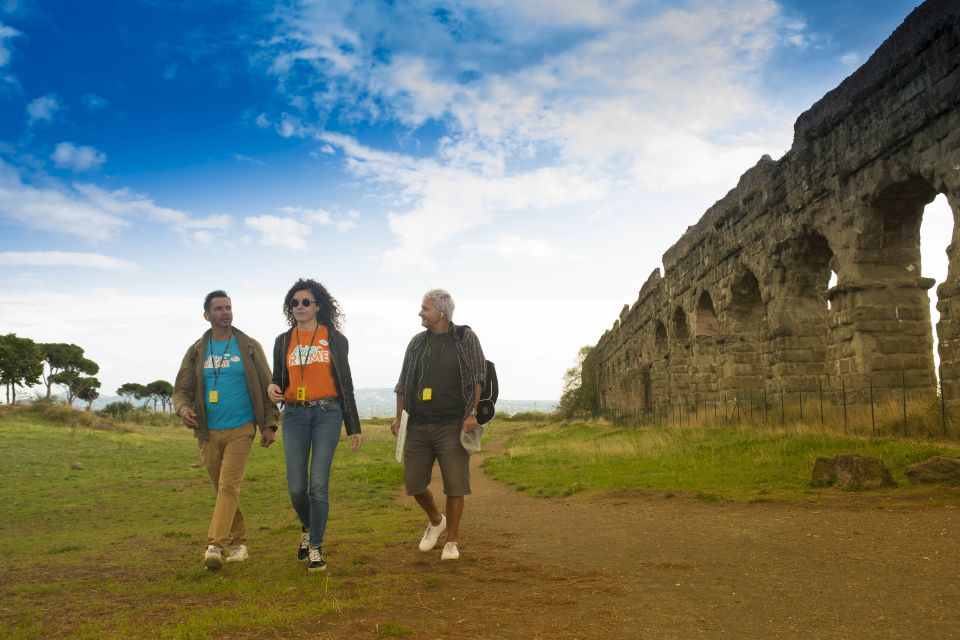
The whole tour is about 3 hours, but the way it’s paced is part of the value. You’ll travel by bus and on foot between venues, with headsets so you can hear the guide while moving.
I also like that the experience is set up to keep you engaged even between main stops. Guides often share context about what you’re passing. On this kind of tour, the travel time can become wasted time—here, it’s usually treated as part of the lesson.
Guide quality is a big theme in the feedback. Names that come up again and again include Catia (also spelled Cattia) and Marije/María, along with drivers like Mario and others who handle the driving smoothly. You’ll feel the difference when the guide isn’t just reciting dates, but turning Roman burial culture and infrastructure into a story you can picture.
Some versions of the experience include quick practical breaks (like toilet opportunities and short shop stops), which helps on a hot day. If you’re visiting in summer, it’s worth knowing the catacombs stay cool while the walking segments can be exposed—having a plan for comfort is smart.
Price and Value: Is About $80 Worth It?
At about $80 per person for roughly 3 hours, the price lands in the middle of the range for guided Rome tours, but it can be good value because several things are bundled:
- Transport from and to the meeting point
- A 3-hour live guided experience
- Entrance and booking fees for the catacomb component
- Headsets to keep the guide audible
What you’re paying for isn’t only access to one site. You’re getting a structured day that combines underground history, a major Roman landmark sighting, a walk on the ancient road, and aqueduct park views without requiring you to plan logistics across multiple locations.
If you were doing this independently, you’d spend time coordinating transportation and figuring out timed entry and the best sequence. Here, the flow is handled for you, and you get a guide to connect the dots between burial practice and Roman road-and-water engineering.
Who Should Book This Tour (and Who Should Skip)
This tour is a strong fit if you:
- Like Roman history but want a break from the usual big-ticket crowds
- Want to see early Christian art in a setting that’s more meaningful than a display case
- Enjoy walking short stretches and being outside for views of aqueducts
- Appreciate guided context that helps you understand what you’re seeing
You should skip or rethink if you:
- Have severe claustrophobia (catacombs are tight by nature)
- Use a wheelchair (this tour isn’t wheelchair accessible)
- Don’t want to follow strict dress rules for worship areas
One more small tip: if you’re sensitive to steps, know that moving through historical spaces can involve uneven ground and stair segments. It’s manageable for many people, but it’s not a flat stroll.
Quick Tips to Get More Out of the Catacombs and Appian Way
A few practical things can make this day better:
- Wear comfortable shoes you trust on stone surfaces. You’ll be walking outside on ancient routes.
- Bring a light layer that covers shoulders if you’re visiting warm weather. Dress code matters.
- Keep your expectations realistic for catacombs: you’ll see a lot, but you won’t be there all day, so focus on what the guide points out.
- Since photos aren’t allowed underground, use your attention instead of your camera. The experience works better that way.
Should You Book This Catacombs and Appian Way Tour?
Yes, if you want a Rome day with a clear theme: death, belief, and Roman infrastructure in one tidy loop. The catacombs portion gives you a rare look at burial culture and some of the earliest Christian art, and the Appian Way plus aqueducts add breathing space and scale.
I’d also book it if you value guidance that connects sites instead of treating each stop like a separate checkbox. Names like Catia and Marije, plus driver Mario, show up for a reason—people tend to leave with the feeling that the guide made the day make sense.
Skip it if you’re dealing with severe claustrophobia or mobility needs. In that case, you’ll likely be better served by a Rome plan that keeps you above ground the whole time.
If you’re flexible, curious, and ready for a quieter side of Rome, this is one of the most memorable ways to spend a few hours outside the crowds.